

Opinion editor's note: Star Tribune Opinion publishes a mix of national and local commentaries online and in print each day. To contribute, click here.
•••
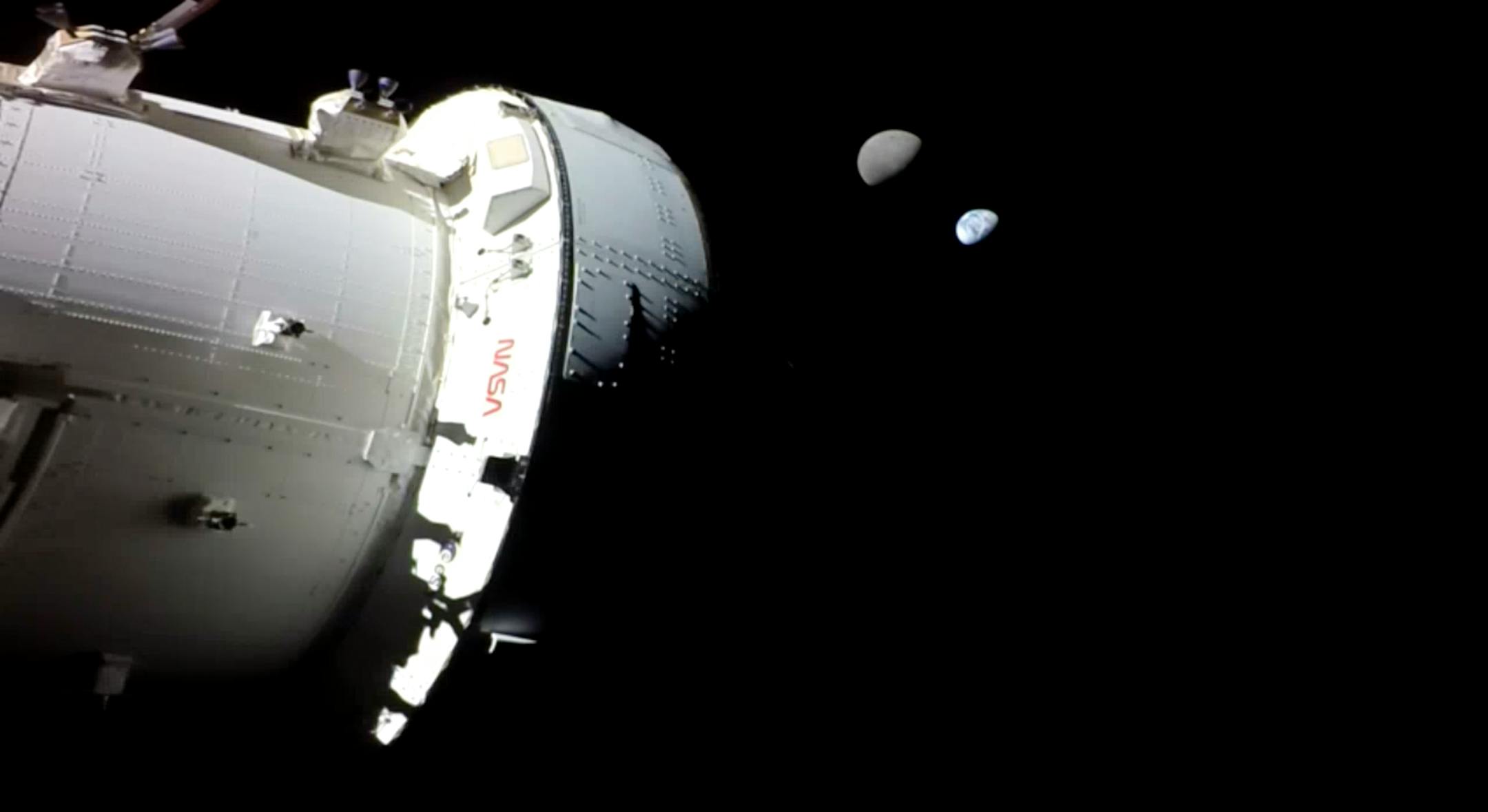
Some who saw on TV the remarkable lunar images from spacecraft Orion are asking once again about billions being spent "out there" while the world faces staggering unmet challenges, like the spreading destruction of unchecked climate change.
Orion's recent test mission is the first of four planned moon flights. It's part of Artemis, a program the National Aeronautics and Space Administration (NASA) says will see more and longer moon walks before building a lunar pad to launch flights to Mars. Further out, NASA foresees searching planets suitable for life should things on Earth become untenable.
Meantime, the U.N.'s latest climate report warns the world is hurling toward "uncharted territories of destruction." Without immediate, full-bore intervention, the report said, Earthlings will experience scorching temperatures by 2050, before Earth slides toward an irreversible "tipping point" of still higher temperatures, more severe storms and floods, spreading drought and rising seas.
It seems certain Earth will be unfit for life (already is, for many) long before NASA can find a life-supporting planet, let alone get a critical mass of humans there.
Author and scholar Amitai Etzioni is among prominent writers who say any serious space endeavor "will inevitably cut into the drive to save Mother Earth."
Zipping around space is expensive. By 2025, Artemis will cost nearly $94 billion, and its next three moon flights $4.1 billion each. But that's a fraction the cost of a trip to Mars, known to be rocky and dusty with a toxic atmosphere that provides meager shielding from solar radiation.


