

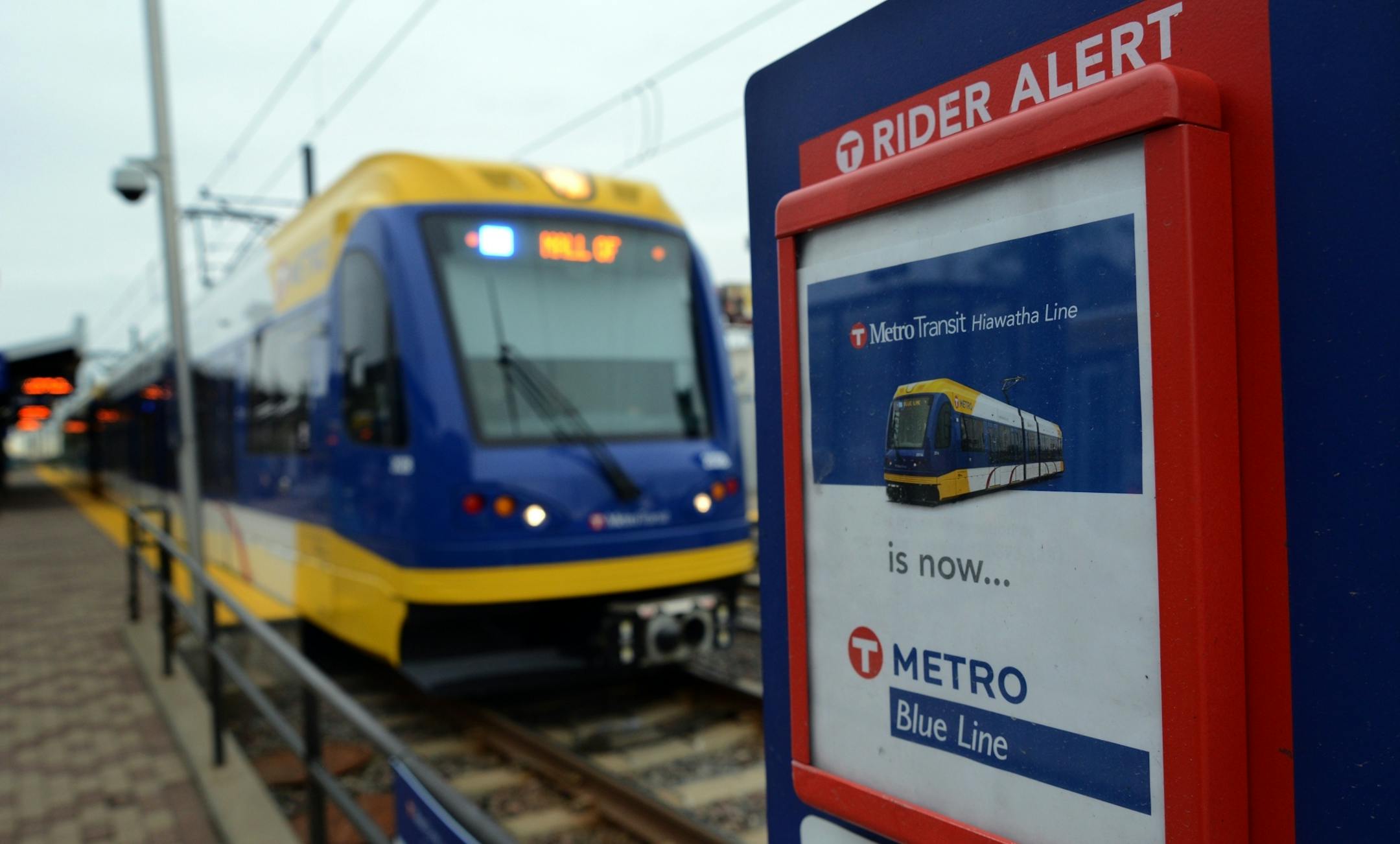
Foes of running the Southwest light rail through the Kenilworth corridor of Minneapolis often argue that the route won't help the city residents who need transit the most.
"The Minneapolis portion … does not truly meet the needs of our residents," said Sandi Larson, who lives two blocks from the recreational corridor and wants a route through "denser urban neighborhoods."
But many in the denser neighborhoods don't buy the argument.
"Southwest … is going to create more opportunities for the people on the North Side," said Bishop Richard Howell Jr. of the Shiloh Temple International Ministries in north Minneapolis, calling the proposed rail link to suburban jobs "very promising."
The potential economic impact of the Southwest light-rail line on Minneapolis and poor neighborhoods is shaping up as a crucial issue for City Council members in upcoming debates on whether to consent to the $1.68 billion project. The City Council and mayor have opposed the Southwest plan and their continued opposition could kill it.
Kenilworth residents opposed to Southwest say running it through their neighborhood in tunnels near recreational trails and freight trains would cause congestion and be unsightly. They also advance a more altruistic argument: The route from downtown to Eden Prairie won't help Minneapolis residents much because most stations would be in the suburbs and the three city stops closest to North Side minority populations will have the fewest riders.
"It does not meet transportation needs of our city, does not really address persistent inequities in our region," said Julie Sabo, a former DFL state senator and a leader of Southwest opponents, whose back yard is next to the trails where the light rail would run.
But Southwest has the strong support of North Side community advocates and U.S. Rep. Keith Ellison, D-Minn. Ellison represents all of Minneapolis in Congress, represented the North Side during four years in the state Legislature and has a home there.


