Controversial plans for a light-rail line to the southwest suburbs were advanced but not endorsed Monday by key policymakers who withheld judgment on digging nearly a mile of tunnels in a recreational corridor of Minneapolis.
The unusual decision came on the eve of talks on the project scheduled Tuesday involving Gov. Mark Dayton, Minneapolis Mayor R.T. Rybak, Hennepin County officials, legislators and Metropolitan Council chair Susan Haigh, whose agency is planning the $1.55 billion rail line. Rybak and some Minneapolis legislators have pressed Haigh and the governor for more time to study the environmental impact of the tunnels on the Kenilworth area of Minneapolis and look for alternatives.
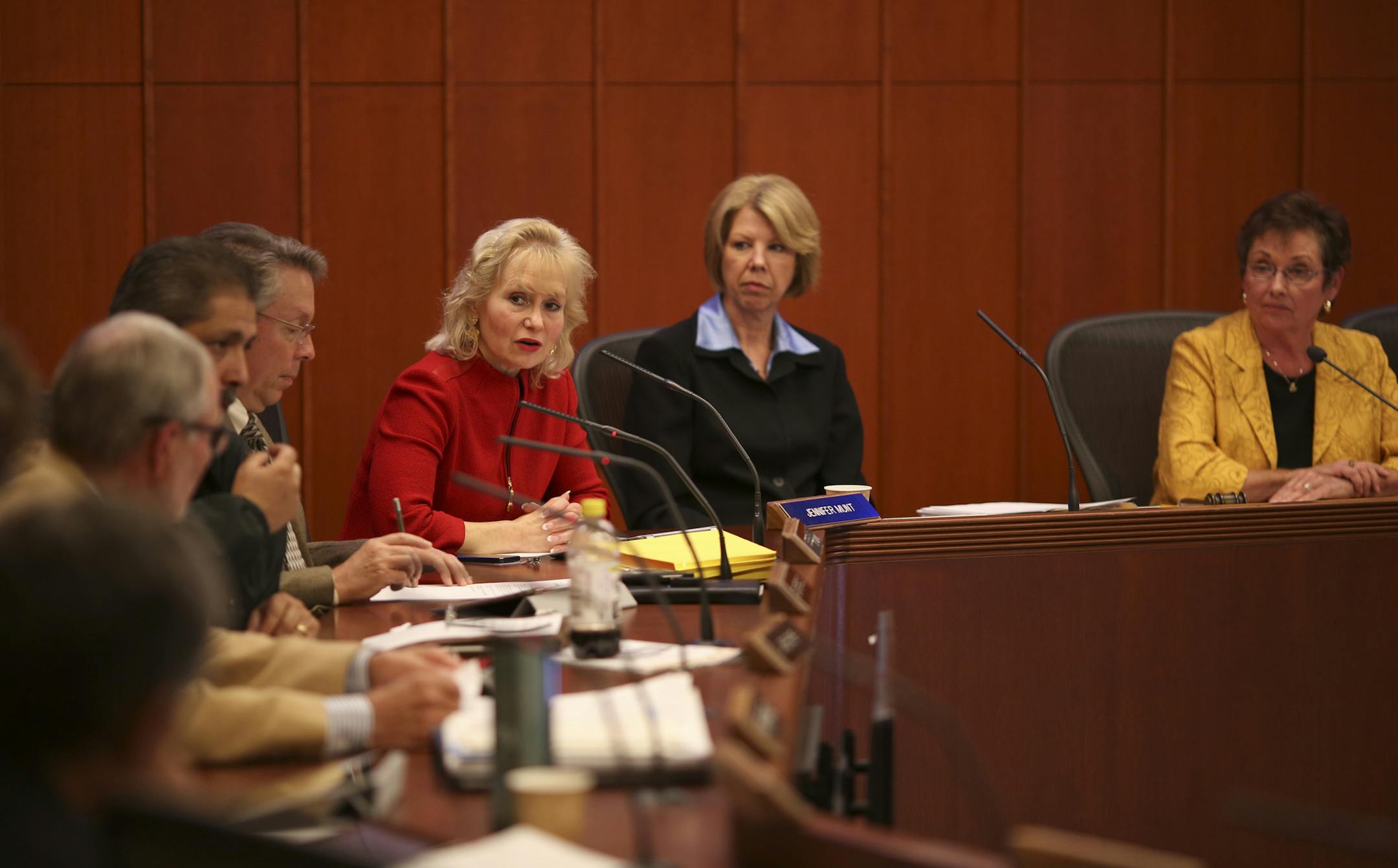
The transportation committee of the Metropolitan Council decided in a unanimous voice vote Monday to turn the tunnel plan over to the full Metropolitan Council when it meets Wednesday but not recommend its adoption.
The decision to avoid taking a stand underscores the contentious nature of the Southwest Corridor light-rail plan, which is opposed by Rybak and some City Council members, and adds more uncertainty to the project's future.
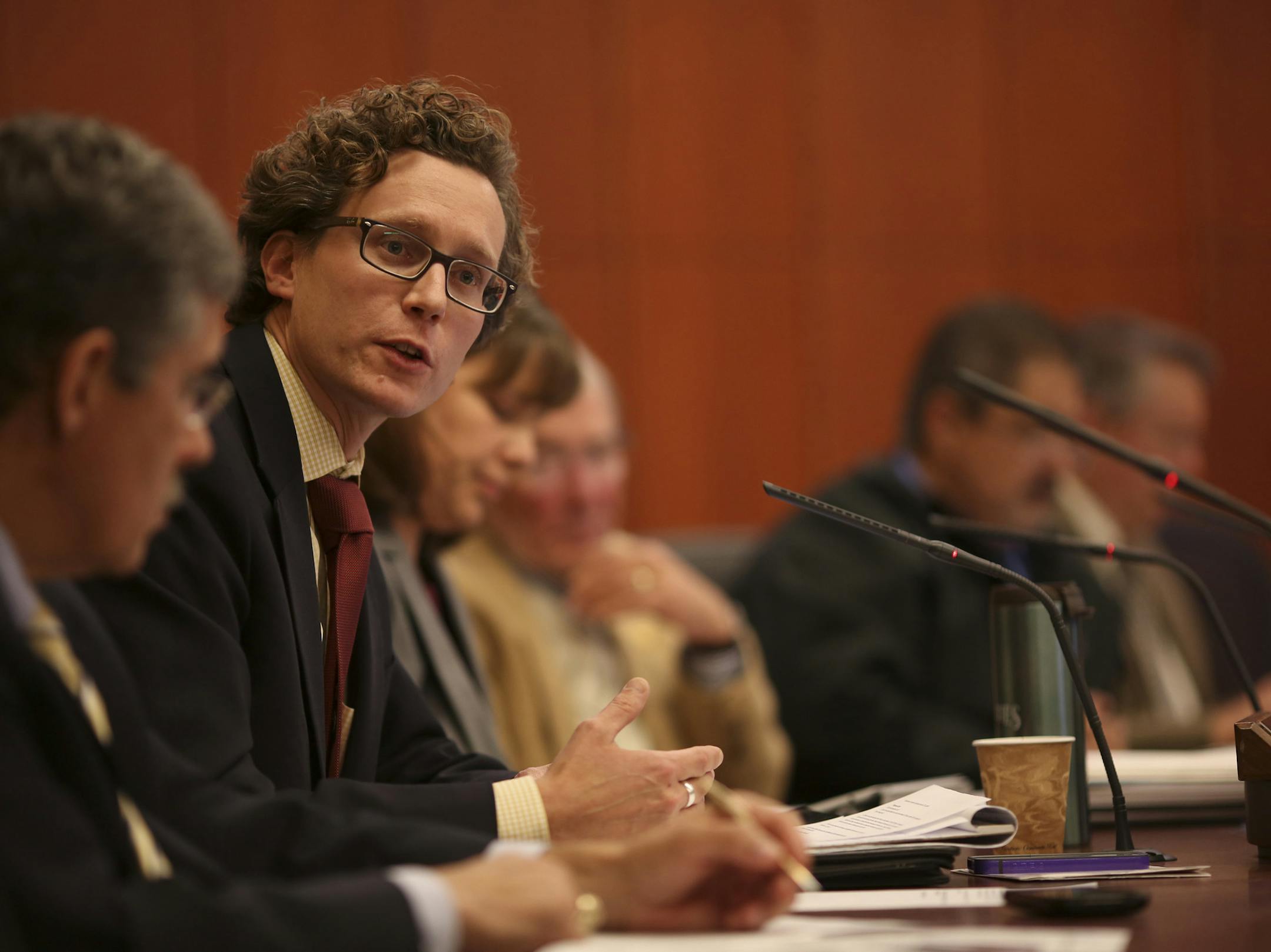
Seven members of the committee opted to hand off the project without recommendation on the advice of Met Council member Jon Commers, who said withholding an endorsement would "retain space for constructive dialogue" with Minneapolis. He said the entire 17-member Met Council should have "a full council discussion" Wednesday.
After the meeting, Commers declined to comment on what he hoped to accomplish by withholding a recommendation.
Rybak has complained that project planners failed to thoroughly study alternatives for rerouting freight train traffic to St. Louis Park from the Kenilworth corridor to make room for the light rail or to fully examine the tunnels' impact on water in nearby lakes and streams.
"We need to be sure everyone understands that we are making a very strong effort to reach out to address the concerns expressed by Minneapolis," said Met Council member Jim Brimeyer, who represents the area where the tunnels would be built.