

Lee Lynch wasn't at the closed-door meeting where Gov. Mark Dayton, legislative leaders and Minneapolis Mayor R.T. Rybak decided to delay the Southwest Corridor light-rail project.
But he might as well have been. The former advertising mogul is a driving force behind efforts by a group of prominent Minneapolis Kenilworth residents to block plans to run the Twin Cities' biggest and most expensive light-rail line near their homes.
"Good news for us on the Gov's decision," Lynch e-mailed two hours after Dayton announced the delay.
A half-dozen Kenilworth foes gave about $350,000 over the years to federal and state Democratic campaigns and liberal causes, including thousands of dollars to campaigns for Dayton and Rybak. They are now part of a larger group raising more money to bankroll a potential court fight if plans for the light-rail line move forward.
While small in numbers, they've played a key role in the postponement of a $1.55 billion project that won overwhelming approval from communities along the future line between Eden Prairie and downtown Minneapolis.
The opposition endures even as some others in the Kenilworth area are warming to the plan, which involves hiding the light-rail line in nearly a mile of tunnels in the corridor to placate homeowners who didn't want the trains running at ground level as once contemplated.
"This is clearly an improvement," said John Erickson, who represents an association of 57 townhouse owners who live next to the future line. They recently gave tentative support to burying the light-rail lines under recreational trails adjacent to freight tracks that run past their townhouses south of Cedar Lake Parkway. "We're not opposed to it."
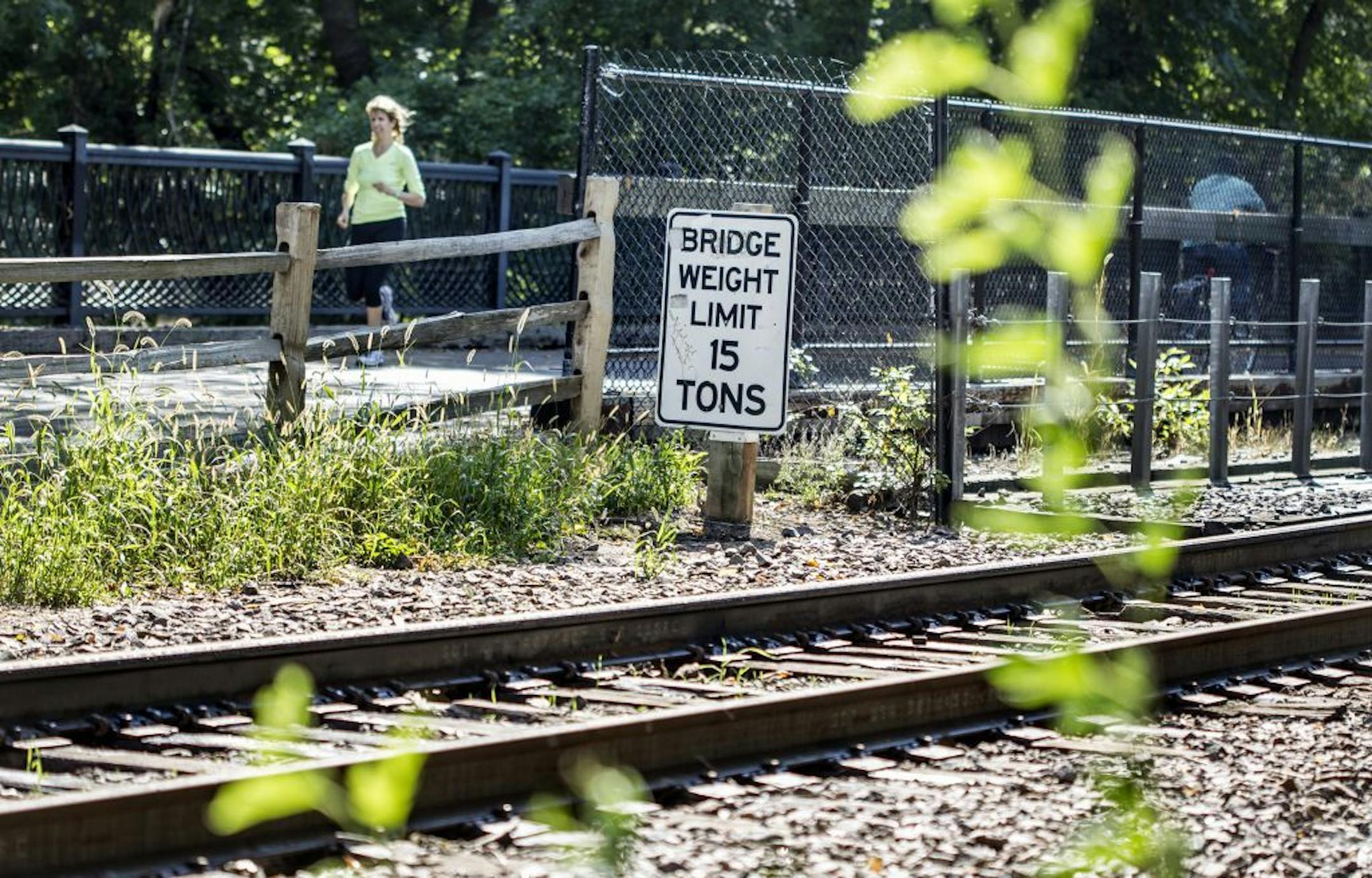
It's a very different story north of the parkway, where light-rail trains would emerge from the tunnels for 20 seconds to cross a bridge over a water channel linking Cedar Lake and Lake of the Isles. The trains would run at ground level for two-tenths of a mile past the homes of more affluent and politically active Kenilworth residents.


