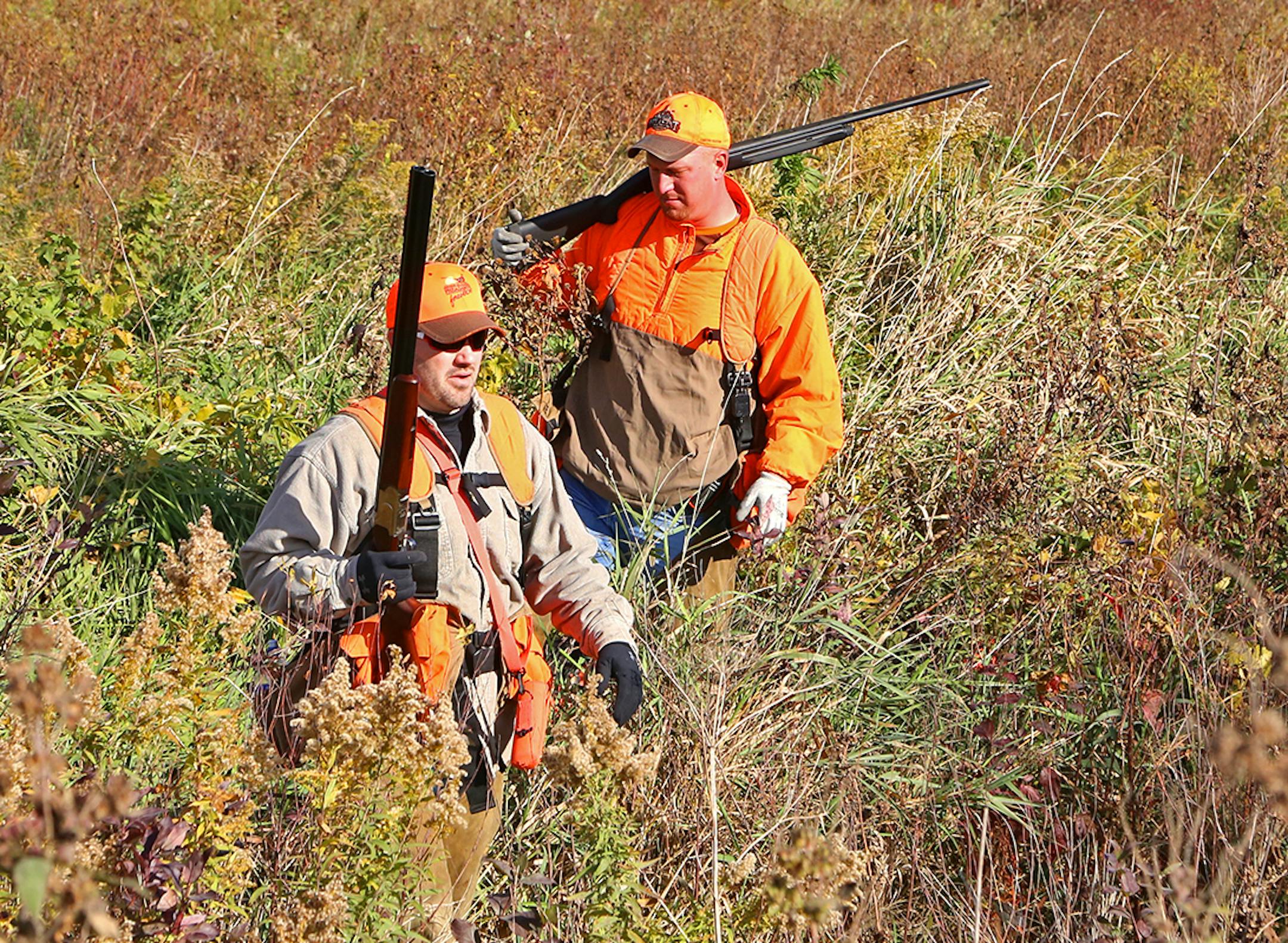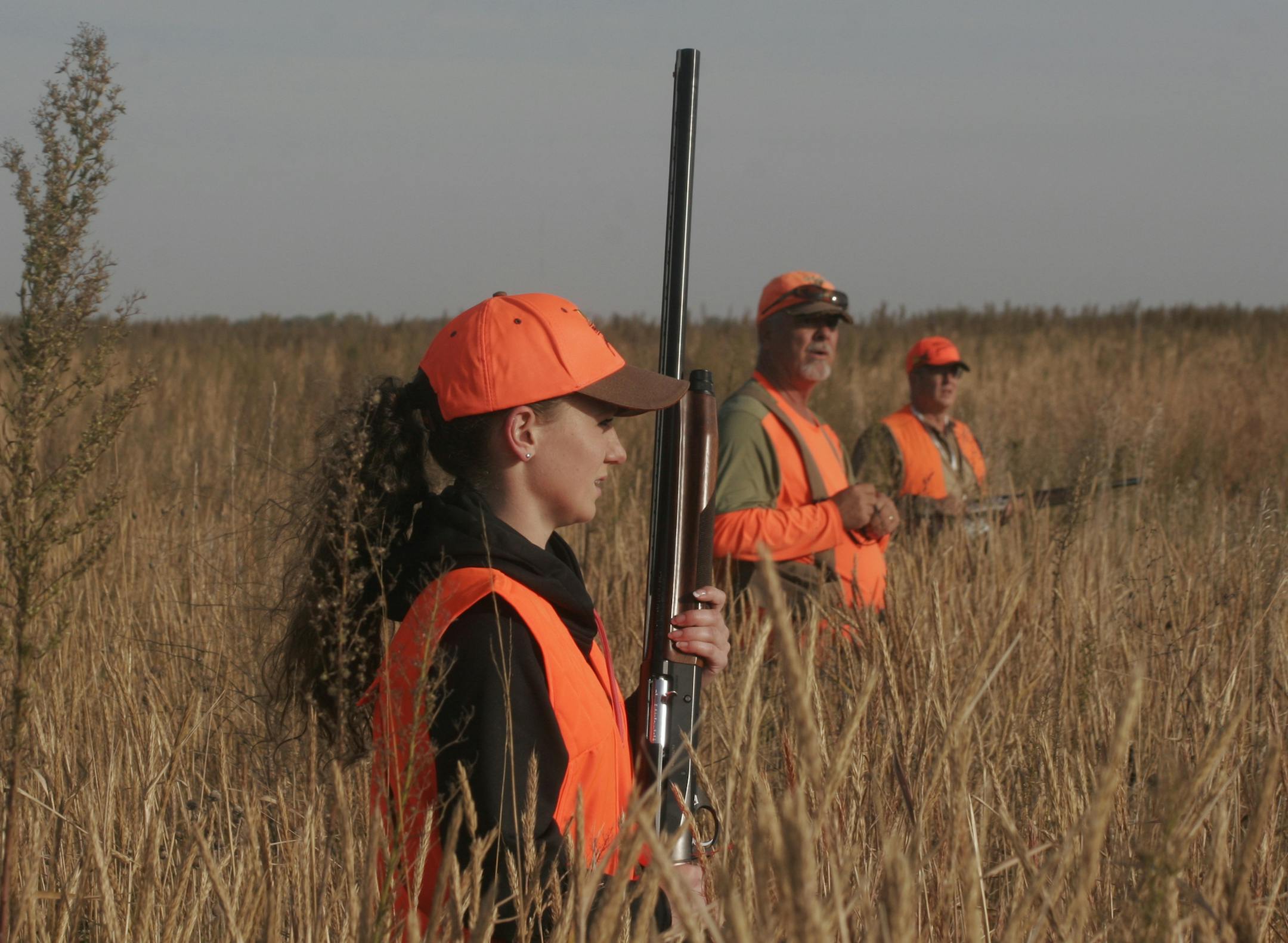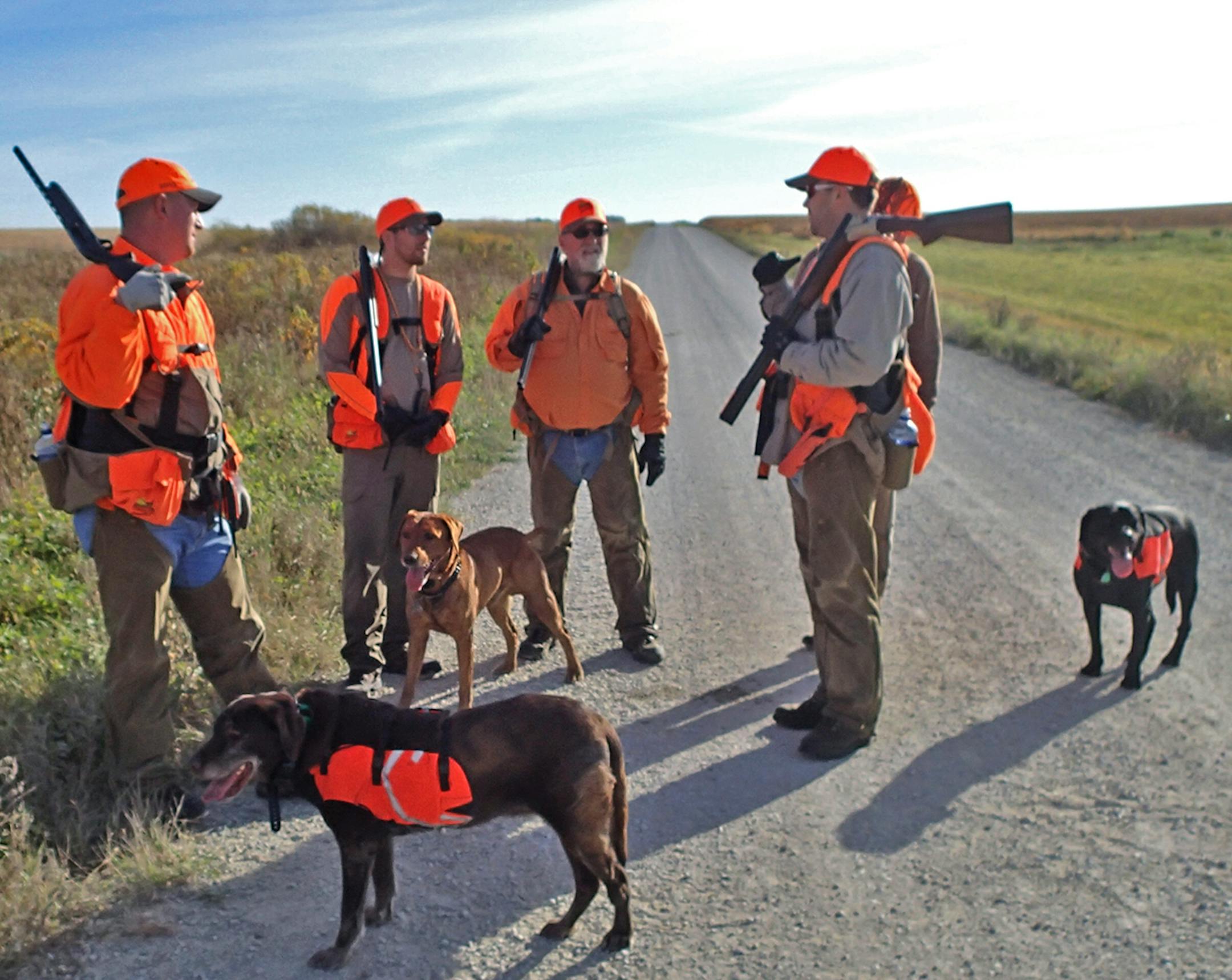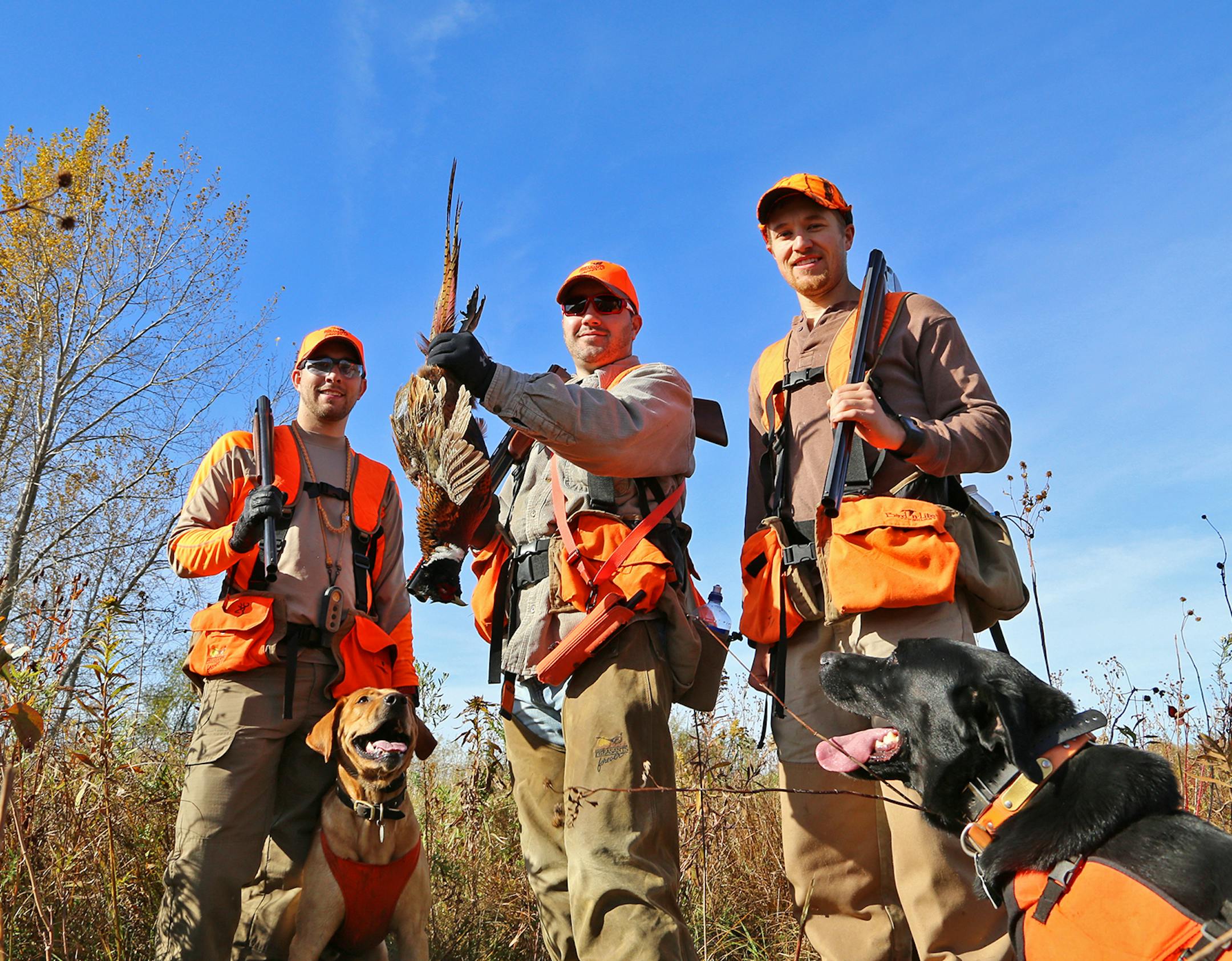
SPRING VALLEY, MINN. – Early Saturday morning, Andy Ness pulled an egg bake from the oven of the farmhouse he shares with his wife, Cate, and young daughters, Ashlyn and Claire. This was within a stone's throw of the Iowa border, and a summerlike blue sky had just then revealed itself above the tall cottonwoods that grace the Ness homestead. A good day, this, Andy said, to open the pheasant season. And it was, beginning with the egg bake, also coffee and bacon.
Not typically a part of Minnesota's prime pheasant range, this portion of southeast Minnesota nonetheless has a seen a resurgence of the birds in recent years.
Mild weather last winter helped. But so has an emphasis on conservation, led by efforts of local landowners as well as those of Ness and other members of the Upper Iowa River Chapter of Pheasants Forever, of which Andy is habitat chairman.
"We don't live in the best pheasant country, we know that," Andy said, noting that outside his home's kitchen window sprawl thousands of acres of corn. "In a typical hunt for us, we might see two or three roosters. That's not bad. If you work at it, there's enough."
Having grown up on a farm, Andy knows something about work. His folks had a corn and bean operation initially. Then they farmed swine. And for a few bucks on the side, in high school, he milked a neighbor's cows.
The payoff today is that he knows nearly everyone in the township, and these friends sometimes come with benefits — access to private hunting ground being primary.
That said, on Saturday we hunted public land in the form of a state wildlife management area, a blue-collar-like selection I endorsed.
Joining Andy and me were James Wendel, a Pioneer seed salesman who lives not far down a gravel road from Andy; Neal Hinners of Spring Valley, a Minnesota Department of Transportation employee; and Neal's sons, Logan of Wyoming, Minn., a graphic artist who works at Pheasants Forever's White Bear Lake national headquarters, and Kale of Bagley, Minn., an engineer.