
South St. Paul to tear down symbol of stockyard days

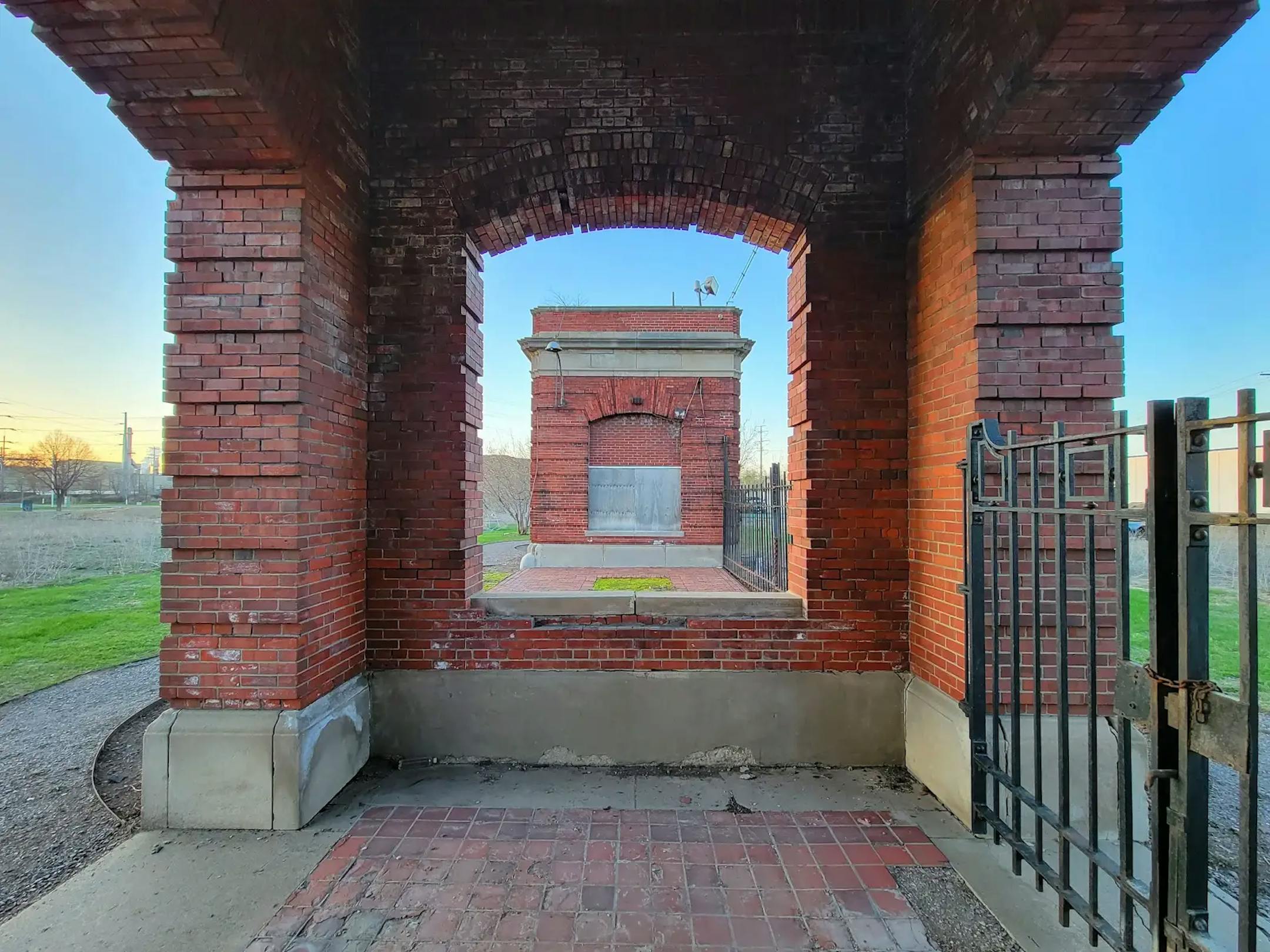
The Armour Gates will soon be demolished to make way for a business, disappointing residents who fought to preserve the brick structures.

The Minnesota Star Tribune
November 25, 2025 at 12:00PM
The South St. Paul City Council voted Nov. 3 to demolish the historic Armour Gates, a relic of the city's stockyard days.

Every morning for some 40 years, Dennis Finden’s father strode through the towering brick gateway on his way to work at Armour and Co. — the landmark meatpacking plant in South St. Paul.

Finden followed in his dad’s footsteps, working at the bustling facility in the early 1960s to pay for college. So the younger Finden was devastated that South St. Paul officials decided earlier this month to tear down the historic Armour Gates.

A business will soon supplant the storied structures, disappointing residents who want to preserve the memory of South St. Paul’s stockyard years for future generations. City officials, meanwhile, have defended the decision, pointing to the high price tag of alternate solutions and touting the tax revenue the business, a plumbing and heating firm, could bring to South St. Paul.

But their explanations haven’t satisfied a contingent of South St. Paul residents who have pushed for years to preserve the Armour Gates. They have launched petitions, devised their own vision to keep the structures in place and identified funding sources to sustain the project, with a local teacher largely leading the effort.

Finden said he understands “where the City Council is coming from.” But the 83-year-old remains concerned about the city’s eroding identity. He wonders: Will South St. Paul’s quirky geography one day be the only aspect that sets it apart?

“We’re a town that has kind of lost its heritage,” Finden said. “Pretty soon we’re going to be known as east of West St. Paul.”

A stockyard symbol

When the Armour plant opened in 1919, industry leaders hailed it as the most modern facility of its kind. At its peak, the operation employed 4,000 people who slaughtered and processed 2,000 animals an hour, with much of the livestock sourced from South St. Paul’s sprawling stockyards.

Changes to the meat packaging process transformed the city — and its marquee industry — in the second half of the 20th century. The Armour plant closed in 1979 and the stockyards held their final cattle sale about three decades later. Meanwhile, the buildings that once lined Concord Street, a streetcar thoroughfare with banks and a post office, were mostly razed and redeveloped.

But as the city changed, the Armour Gates have remained. Cracked and crumbling in places, they sit on a triangular lot tucked between Armour Avenue to the north and Hardman Avenue to the south.

Mark J. Westpfahl, a social studies teacher at South St. Paul Middle School, became interested in the Armour Gates after moving to the city about a decade ago.

Since then, he’s emerged as a fierce proponent of their preservation, sharing the history of the city’s meatpacking days with his middle school students. Westpfahl, meanwhile, reached out to state and county officials whom he hoped could help secure money to keep the gates intact.

He pored over documents that confirmed the city’s commitment to historic preservation and tracked officials’ statements on the subject. Looking back, he believes local leaders didn’t seriously consider all their options — from scoring a state grant to asking a local bricklayers union to spruce up the structures — to preserve the gates.

“They’re pushing for this development as fast as they can,” said Westpfahl, who nearly defeated Jimmy Francis in the mayor’s race last fall.

City Administrator Ryan Garcia said the tear-down process could begin as early as December.

Other options?

Many city officials said that investing in the gates has simply become too expensive, with other big-ticket items like a water treatment plant and library renovation consuming city resources.

Garcia said moving the gates to the Hardman Triangle would have cost around $620,000. Restoring them in place would have set the city back about $200,000. The current plan calls for retaining up to five pallets of bricks. One idea is to incorporate the materials into a public art installation, though Garcia said officials haven’t settled on a plan.

Garcia said the city received a $50,000 appropriation from the Legislature in 2023, but turned it down because it was a “fraction” of the total projected cost, and the city couldn’t afford to pay the remainder. He added that the location of the gates, in the middle of the parcel’s northern half, has long made the site difficult to redevelop.

“I understand that folks aren’t happy with the decision,” Garcia said of the teardown, adding that “at the end of the day, we presented facts, and the City Council made what they felt was the best decision for the comprehensive interests of the city.”

Lori Hansen, the sole City Council member who voted at the Nov. 3 meeting against disassembling the structures, said leaders looked into securing funding from the county, but it was difficult to make a case for money when they couldn’t decide whether to maintain or move the gates.

She backed selling the land to a smaller business that could build around them. But most of her colleagues warmed up to the idea of demolishing the landmarks to make way for commercial development.

“I’m sure there was a way that we could have kept the gates,” she said.

about the writer

about the writer

Eva Herscowitz

Reporter

Eva Herscowitz covers Dakota and Scott counties for the Star Tribune.

See Moreicon

More from Twin Cities Suburbs

See More
card image
Glen Stubbe/The Minnesota Star Tribune

Hoffman and his wife were wounded in the June 14 attacks on state lawmakers that killed Rep. Melissa Hortman and her husband.