

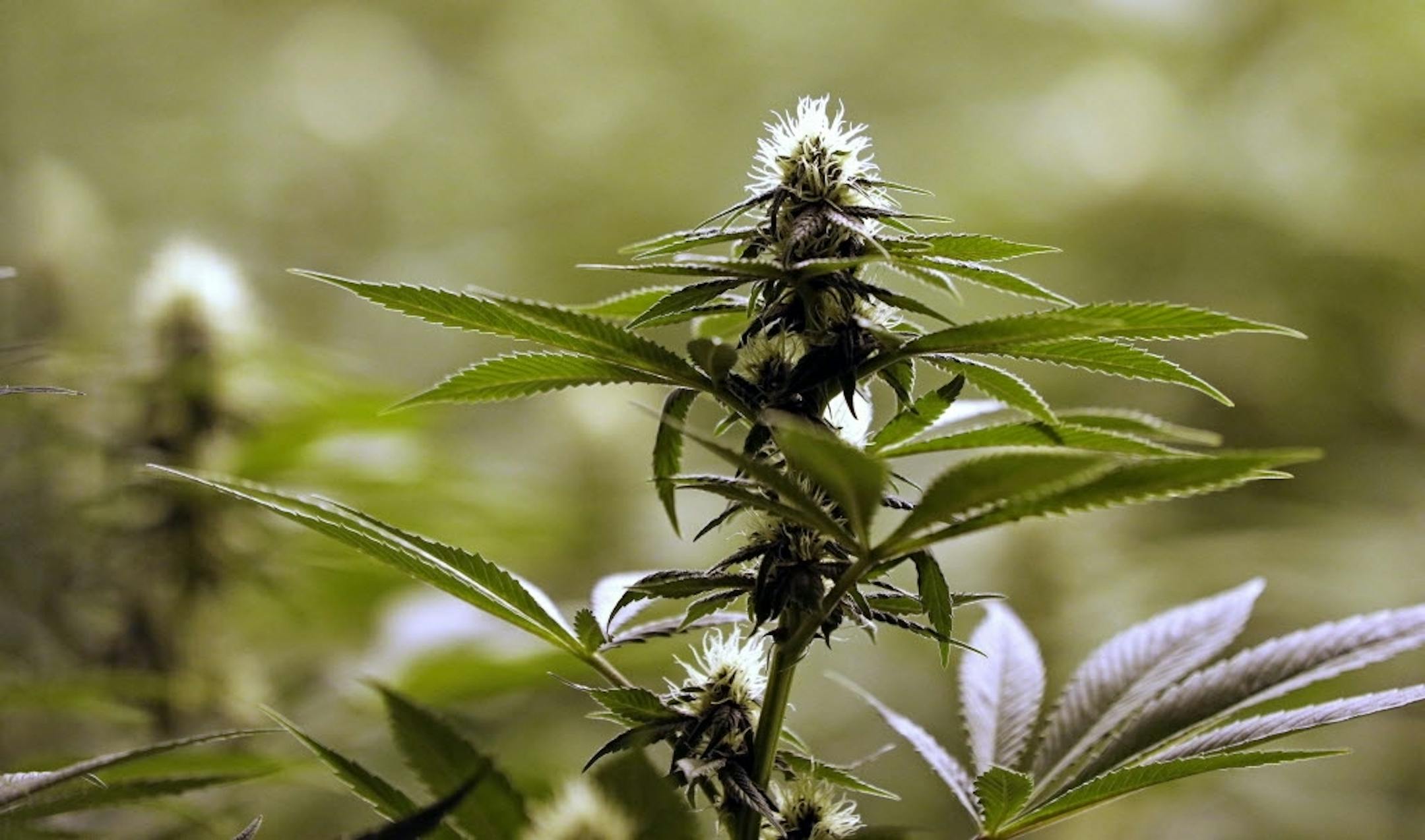
WASHINGTON – Tourists soon may be able to go to a South Dakota Indian reservation, buy a cigarette-sized marijuana joint for $10 to $15 and try their luck at the casino.
In December, the Flandreau Santee Sioux expect to become the first tribe in the nation to grow and sell pot for recreational use, cashing in on the Obama administration's offer to let all 566 federally recognized tribes enter the marijuana industry.
"The fact that we are first doesn't scare us," said tribal President Anthony Reider, 38, who's led the tribe for nearly five years. "The Department of Justice gave us the go-ahead, similar to what they did with the states, so we're comfortable going with it."
The tribe plans to sell 60 strains of marijuana. Reider is hoping for a flock of visitors, predicting that sales could bring in as much as $2 million per month.
"Obviously, when you launch a business, you're hoping to sell all the product and have a shortage, like Colorado did when they first opened," he said.
Tribes not following suit
Other tribes have been much more hesitant.
"Look at Washington state, where marijuana's completely legal as a matter of state law everywhere, and you still have tribes adhering to their prohibition policies," said Robert Odawi Porter, former president of the Seneca Nation of New York.
It comes as no surprise to U.S. Rep. Denny Heck, D-Wash., who says he works on tribal issues every day.


