

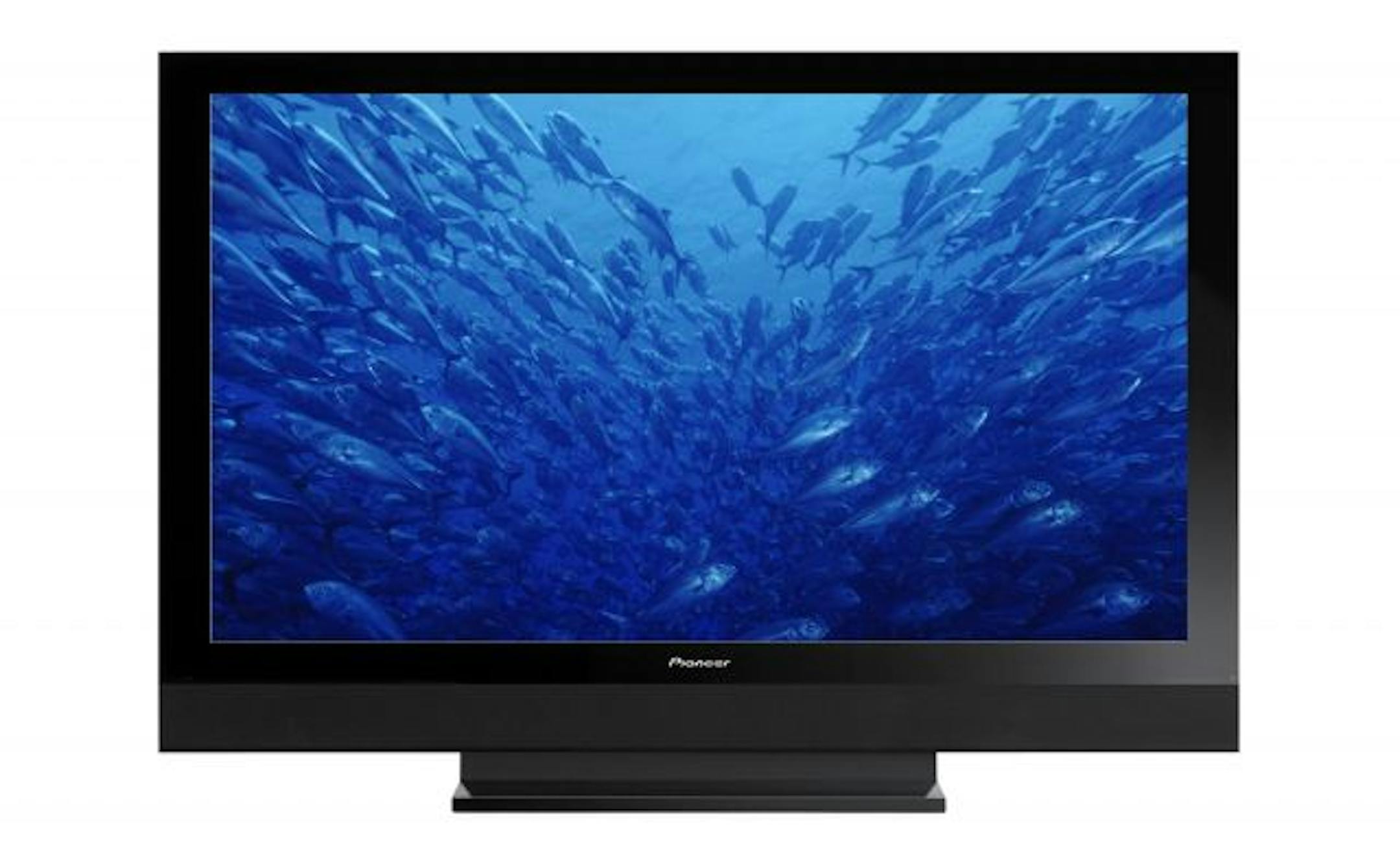
Q If plasma TVs provide superior viewing quality, why are they consistently $300 to $500 less than LED-LCD TVs of similar size and brand names? That doesn't make sense.
A Plasma sets are less expensive to manufacture in larger screen sizes. Plasma sets typically start at about 42 inches.
It seems paradoxical that plasma is better than LED-LCD, as well as less expensive, but that's simply the way it is. "Plasma is the best" is almost universal among home-theater buffs and in home-theater magazines. Even Consumer Reports is on the plasma bandwagon, especially for 3-D sets.
Not many companies stuck with plasma to master the technology as Panasonic, Samsung and LG have. It's a shame, because modern plasma is so good.
Part of plasma technology is actually rather mature. Plasma uses phosphors to create the image, just like our old CRT TVs did. The phosphors emit light, which provides a wide viewing angle and creates accurate color and contrast. Once you are used to plasma, LCD and LED-LCD sets can look cartoonish.
Discussing CRT and phosphors reminds me of how far HDTV has come and how quickly.
A few months ago, I upgraded to a 55-inch Panasonic ST50 plasma set. Soon after it was installed, I realized that my first HDTV also was a 55-inch, a Mitsubishi WS-55859 projection set with a built-in tuner. I bought it in 2002 for $4,600. It was huge, weighed 300 pounds and had to be wheeled around on casters.
I looked at my ST50 and marveled at how far we have come in 10 years. The ST50 can be bought for less than $1,300, about a fourth of what my Mitsubishi cost 10 years ago. It weighs less than 100 pounds, has 3-D and wireless Internet, and is thin and light enough that two people can pick it up and move it easily. It can be mounted on a wall so it conserves space, and the picture quality is better than my old Mitsubishi.

