

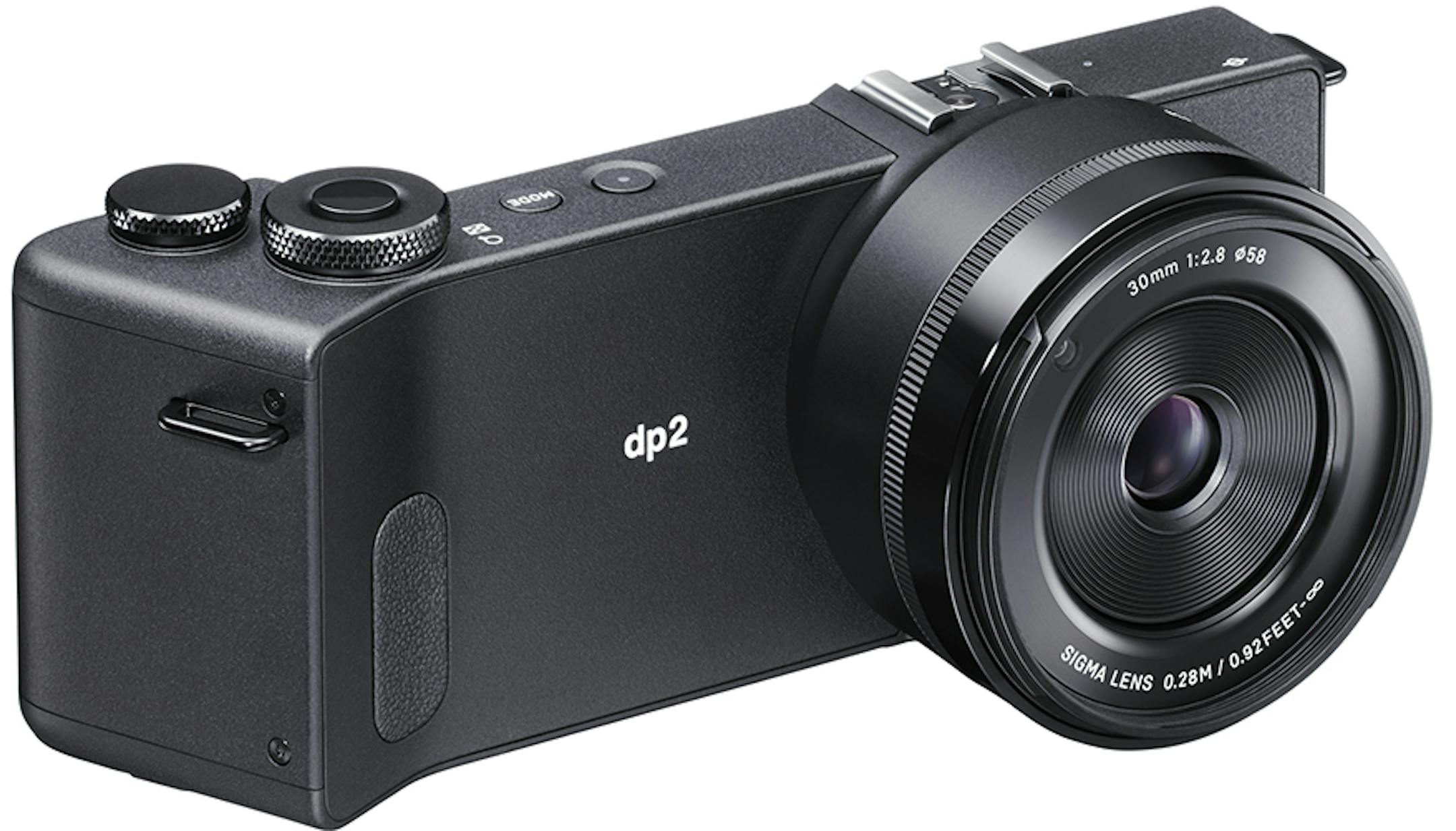
Q: I have seen some of the enthusiast cameras — so called to differentiate them from entry-level cameras — with noninterchangeable, non-zoom lenses selling for $1,000 to $2,500. Wouldn't you be better off buying a mirrorless camera and putting a prime lens on it? At least that way you have the option to change lenses, and it would probably cost less, too.
A: I agree with you about that — to a point. I recently tested a fixed-lens camera from Sigma that offers something fundamentally different from anything else on the market. It could be very compelling for some photographers.
Most digital cameras use a Bayer sensor, or a variation of it. In a Bayer sensor, each pixel captures only one color of light, either red, green or blue. The pixels are arranged in a checkerboard pattern on the sensor. The camera processes the output from the sensor, creating the image by comparing the readings from each pixel and the pixels surrounding it. In this way, all the colors can be re-created and a high-resolution image produced.
Sigma cameras use a Foveon sensor, which works in a completely different way. The red, green and blue pixels are stacked on the sensor, and each pixel can record every color of light, just like film.
In theory, this is a better way to record a digital image. Then why doesn't everyone use it? Besides it being a proprietary Sigma innovation — and the fact that Bayer sensor does an excellent job and few people are complaining — there are significant limitations to the technology, which Sigma is quite candid about.
I recently tested the Sigma DP2 Quattro camera ($999 MSRP, online price usually less). For those who are looking for something special and can live with the Foveon's limitations, the Sigma cameras are well worth considering.
First, let's look at its limitations. You can take any other mirrorless, SLR or large-sensor compact camera and use ISO 1600 or higher and get great pictures. The Foveon isn't happy above ISO 400 and is most effective at ISO 100. It works best on a tripod, in good lighting conditions or both. There is no video recording, the camera is a bit slow in operation and it goes through batteries quickly because of the Foveon's power requirements. Figure on fewer than 100 pictures per charge.
Surprisingly for a camera that is meant to be used in good light, the LCD screen turned out to be almost impossible to use in bright sunshine. An aftermarket attachment called a Clearviewer will help with this. This is a camera for deliberate, well thought out photography rather than the quick, impromptu style popularized by cellphones.


