

Q: What do you think of full-frame digital SLRs? Are they worth the extra cost?
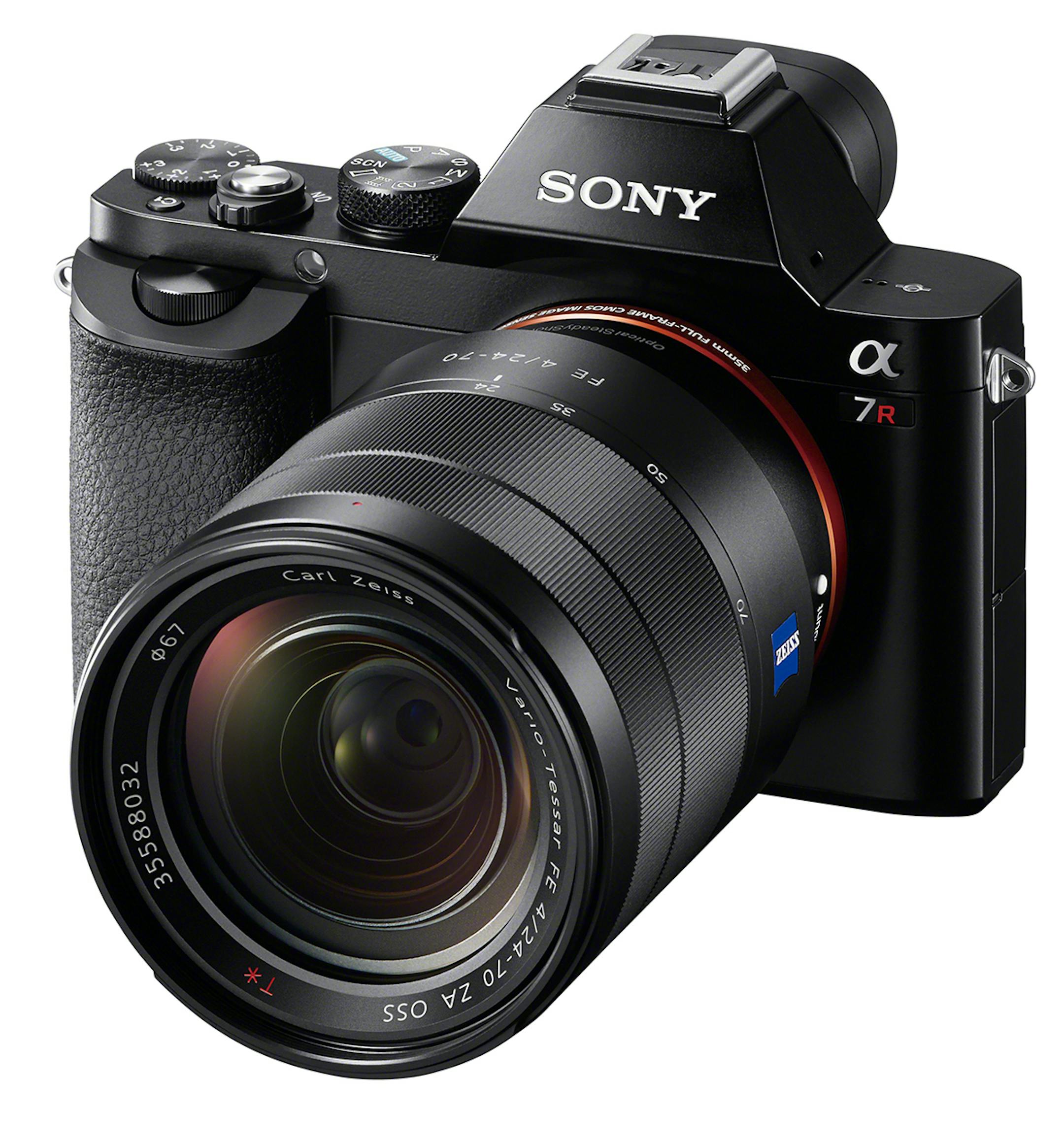
A: A full-frame digital SLR has a sensor the size of a frame of 35-millimeter film, which is 24 by 36mm. This refers to the physical dimensions, not resolution. You can have a full-frame sensor with 12 megapixels or a full-frame sensor with more than 36 megapixels. There are mirrorless full-frame cameras, as well, for example, Leica M cameras or Sony's new A7 series.
The other typical sensor sizes are the smaller APS-C, which is ubiquitous in consumer SLRs, and Micro Four Thirds (or just Four Thirds), which is slightly smaller than APS-C.
A bigger sensor will provide better dynamic range (ratio of light to dark captured by the camera), as well as lower noise in low-light situations. All other things being equal, bigger sensors are better for image quality.
There also are operational advantages. The viewfinder is much larger than an APS-C SLR, and you have more control over depth of field. If you want a really soft background for a portrait, it's easy to achieve with a full frame. There are no focal-length multipliers, so a 50mm lens behaves like a 50mm lens, not a 75mm lens.
You can get fully professional quality with smaller sensors, but if you are taking up wedding photography, shoot in low light often or have professional aspirations, full frame might be a good choice. It also is suitable for those who demand the highest resolution and image quality regardless of price, as long as you don't mind the weight and bulk of the equipment.
There are notable negatives. To me, the benefits of full frame are outweighed by the drawbacks, especially for consumer photographers.
When you get a full-frame camera body, you're just getting started with expenses. You need expensive, high-end lenses to get the best results. Most consumer lenses won't work on them at all. If you aren't going to commit to investing in the best lenses, I wouldn't bother with a full-frame camera.


