

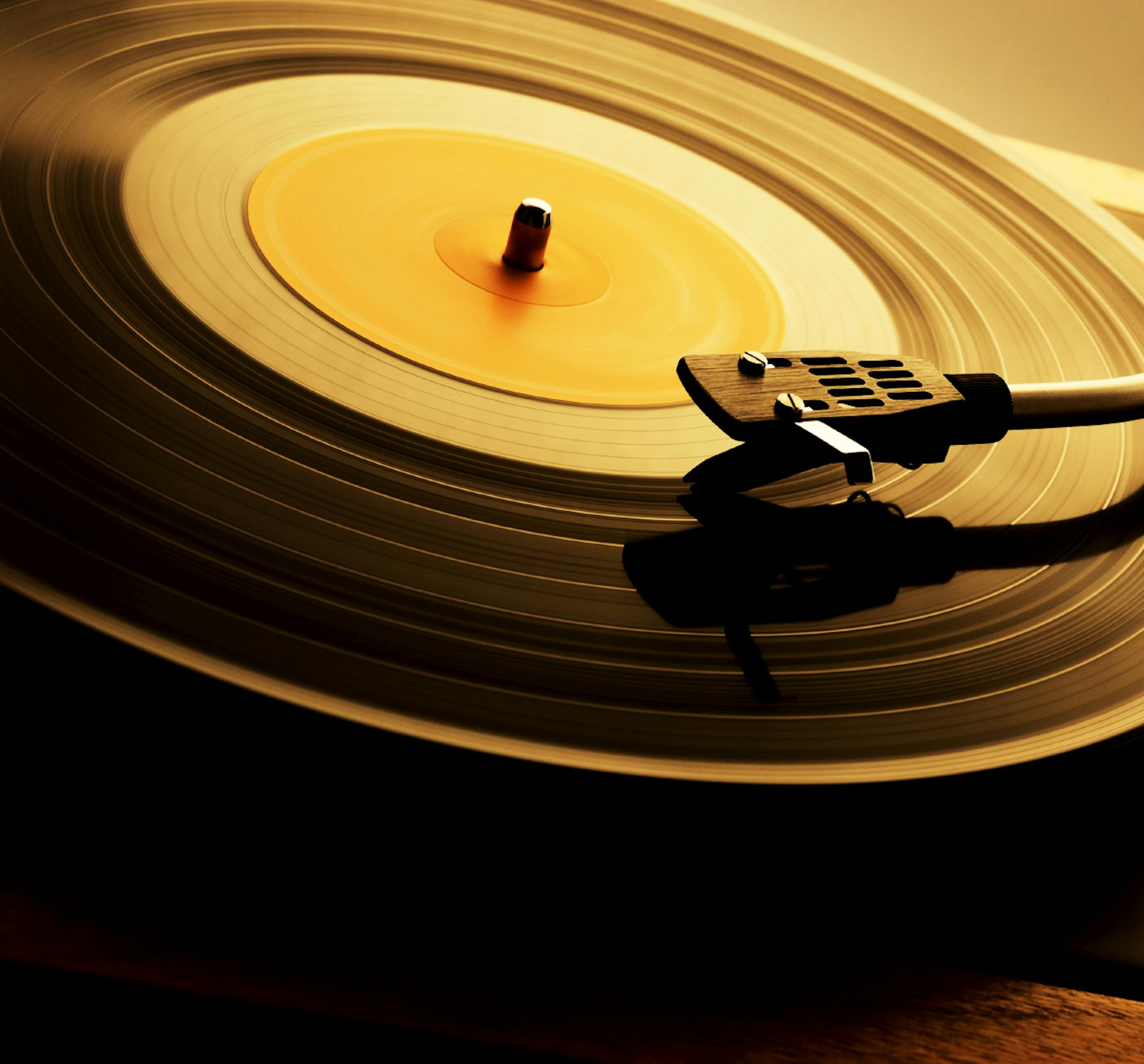
Q: I read your column about turntables and the relative insignificance of cartridges when purchasing a new turntable.
I find it interesting that magazines such as Stereophile, which you referenced, seem to find cartridges to be of utmost importance, and they glorify high-end cartridges that sell in the thousands of dollars. Of course, they spend nearly as much ink on the virtues of turntables and tone arms selling for unattainable prices. But I've seldom read in those magazines that cartridges are only the third, nearly insignificant, item in a trio of components.
You did say that one's first, cheap cartridge can be improved upon in the future. How soon should that be?
Most of the written concern about inexpensive cartridges is in their stylus wear, thus destroying those microscopic elements in vinyl grooves after hours of use, and in the vast musical improvement that cartridge replacement can accomplish. Is the sound improvement as vast as they say?
Thanks for your articles. They often seem to be contrary to suggestions that you have to spend a fortune to get good sound.
A: I like Stereophile and other high-end audio magazines and use them as a reference, but you need to look at the whole picture.
A lot of high-end audio is scams and silliness. For example, take cables, speaker wire and power cords. It has been proven 100 percent of the time — in every scientifically controlled test, done over decades — that differences don't exist between wires, as long as they aren't defective or mismatched for the task. Yet high-end audio magazines still write about these items as if they have magical properties.
Power cords are silliest of all. There are hundreds, perhaps thousands, of miles of wire between the power plant and the wall socket. How in the world is changing the last 3 feet between the wall and the component with a $1,000 power cord going to make a difference?


