

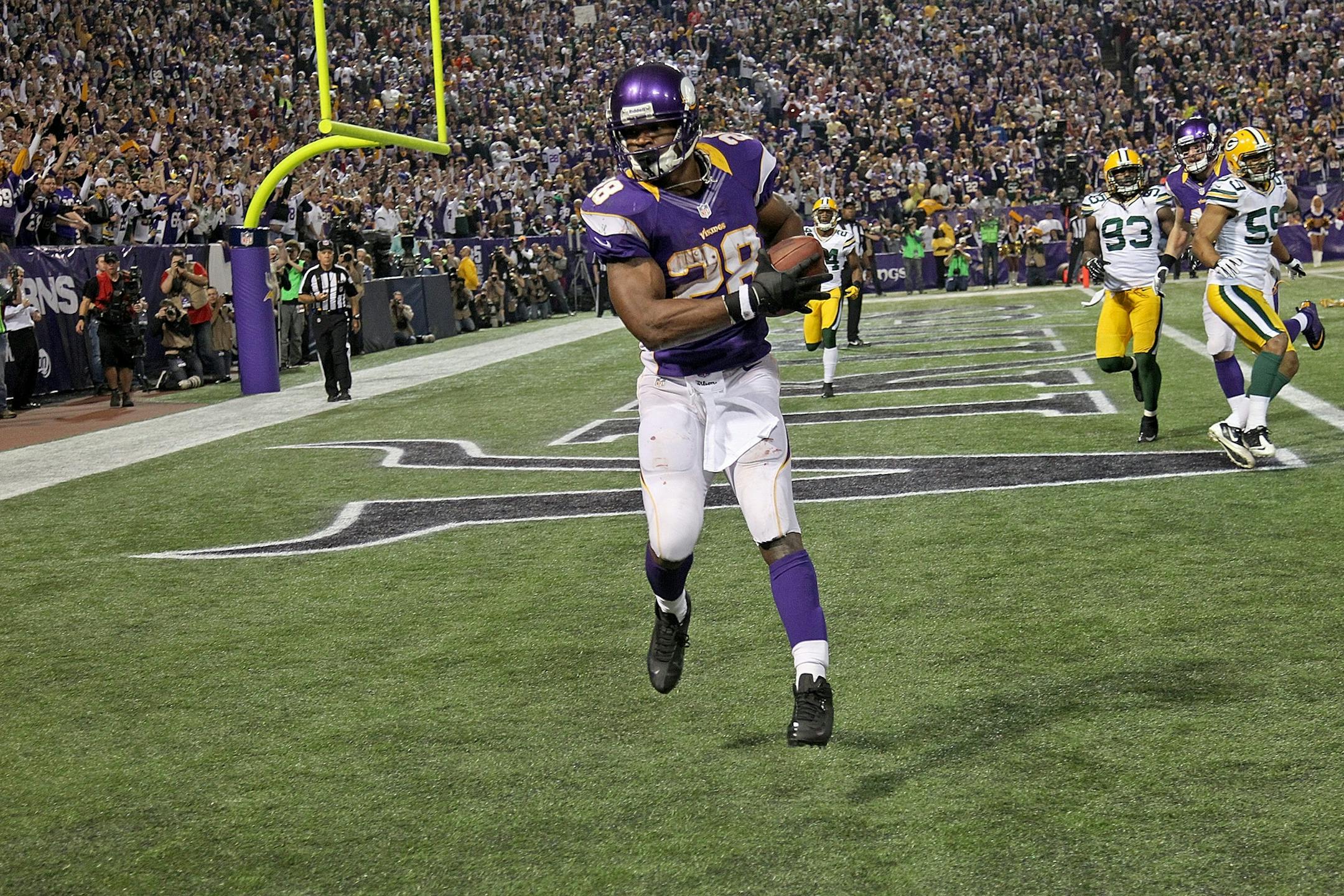
They elbowed their way into the playoffs like angry shoppers on Black Friday. Their playoff hopes seemed silly only weeks earlier, before they rallied in December. They faced the hardest possible road to the Super Bowl.
That's true of the 2012 Vikings. That was also true of the 2011 New York Giants, the 2010 Green Bay Packers, the 2007 Giants and, perhaps most notably, the 2005 Pittsburgh Steelers.
Four of the past seven Super Bowl winners, including the past two, were seeded fourth or lower among the six playoff teams from their conference. Each defied the notion that Super Bowl champions always are dominant teams that earn a bye week and thrive on the comfort of home playoff games. Each defied the notion that champions can be identified in August, or even December.
With a second-year quarterback only a month removed from his most disappointing game as a pro, and a team a month removed from falling to 6-6 and facing the prospect of utter collapse, the Vikings enter the playoffs as the sixth seed in the NFC. They don't look like potential Super Bowl champs. Other recent champions didn't look primed to win it all, either.
Last year the New York Giants, like this year's Vikings, found themselves at 6-6. They followed a four-game losing streak by winning three of their last four games to finish 9-7 and earn the fourth seed in the NFC.
They beat Atlanta at home, then won at Green Bay and San Francisco before winning the Super Bowl over the Patriots. Hardly dominant or consistent, they became the first team ever to win the Super Bowl while posting a negative point differential during the regular season, scoring 394 points and allowing 400.
They weren't great, at least not before January. They got hot and healthy at the right time.
In 2010, the Packers lost two in a row to fall to 8-6. They needed to beat the division champion Chicago Bears in the last game of the regular season to make the playoffs, and they eked out a 10-3 victory.


