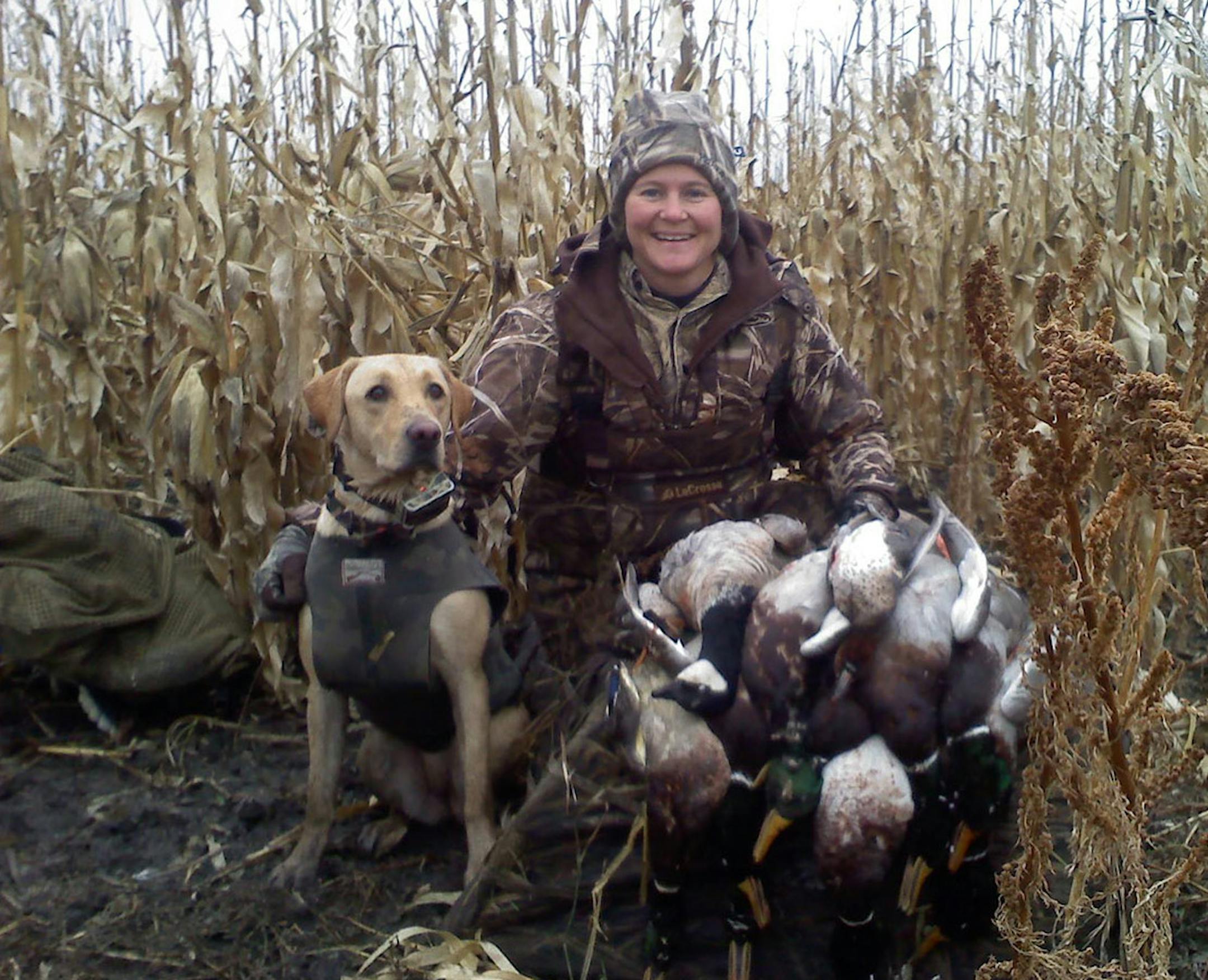
Jessica Dowler is living her dream these days.
She has a husband who shares her passion for the outdoors. She has worked for the U.S. Fish and Wildlife Service as a wildlife biologist, and now is a soil conservationist for the Natural Resources Conservation Service. And the 35-year-old lives in a part of the United States — Britton, S.D. — where it's easy for her to scratch the itch of her waterfowl passion.
Dowler, who grew up in Benson, Minn., traces the genesis for all those things back more than two decades, when as a 13-year-old she attended Woodie Camp, a free, weeklong summer camp put on by the Minnesota Waterfowl Association.
"It has been a catalyst for a lot of the good things that have happened in my life," she said.
First held in 1989, Woodie Camp has been held every year since. This year's version, which included 38 teenagers, concluded Aug. 6. The kids who attend Woodie Camp — it's open to those ages 13 to 15 who have completed firearms safety — come from a variety of backgrounds. Some are avid hunters. Some never have picked up a gun. Some leave with an intense passion for waterfowl hunting, while others take more joy from painting decoys, photography, or simply being able to identify the ducks they see winging overhead.
"Basically, we want to expose them to waterfowl in everything," said Brad Nylin, MWA executive director. "My only hope, really, is that something will click with each of them."
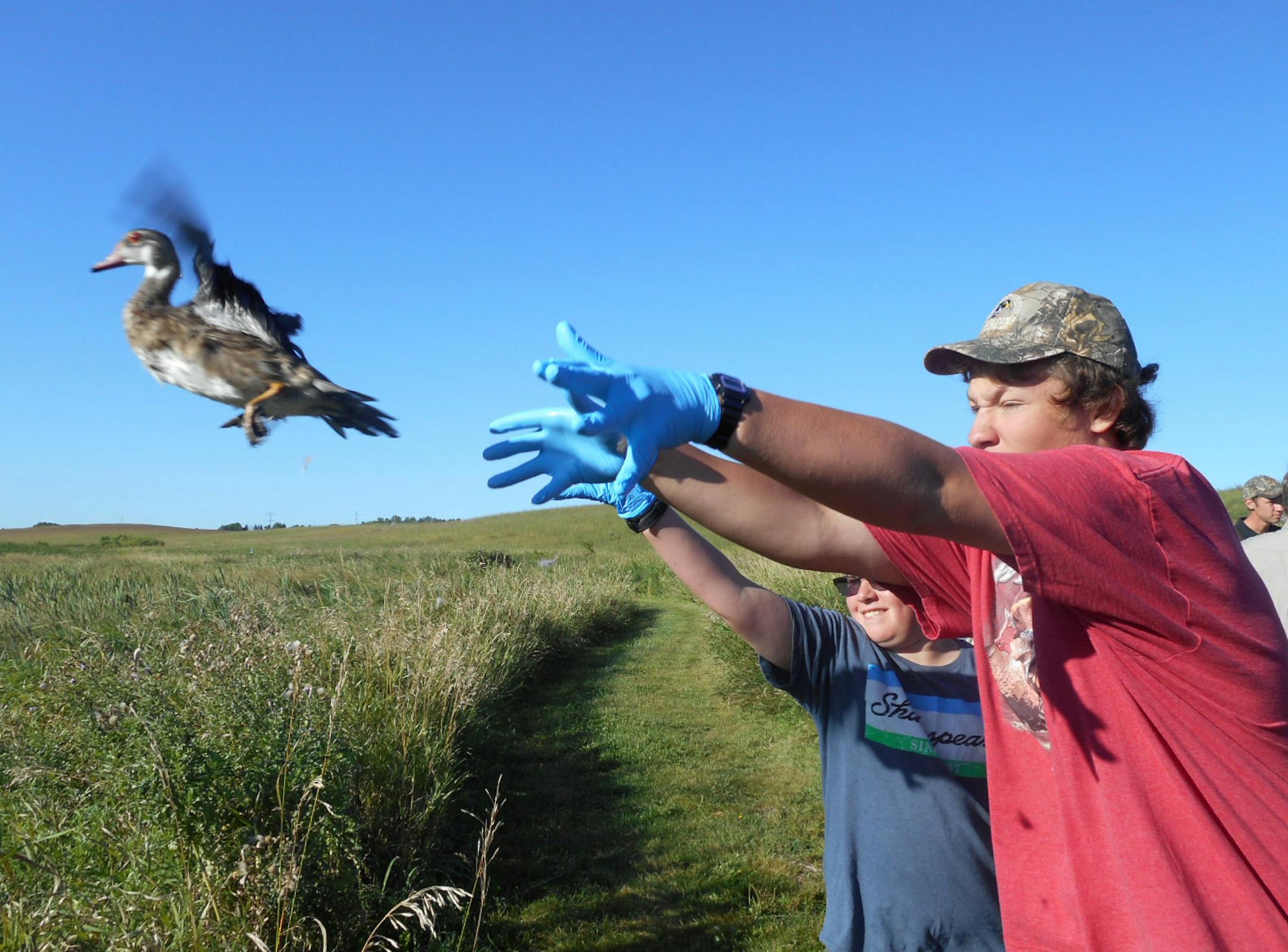
Anyone at the Prairie Wetlands Learning Center in Fergus Falls during the week of camp is treated to a cacophony of sounds as kids hone their shotgun-shooting skills and practice their duck and goose calling. There is mostly silence as they learn about waterfowl ecology, cooking wild game, keeping hunting or outdoor journals, and first aid in the field. They learn how the money that duck hunters spend on gear, licenses and stamps goes into restoring and protecting waterfowl habitat. And one of the highlights for many campers is holding ducks, putting identification bands on their legs, and then setting them free.
"We want them to appreciate waterfowl, and understand that it's bigger than just (the duck-hunting season)," Nylin said.