

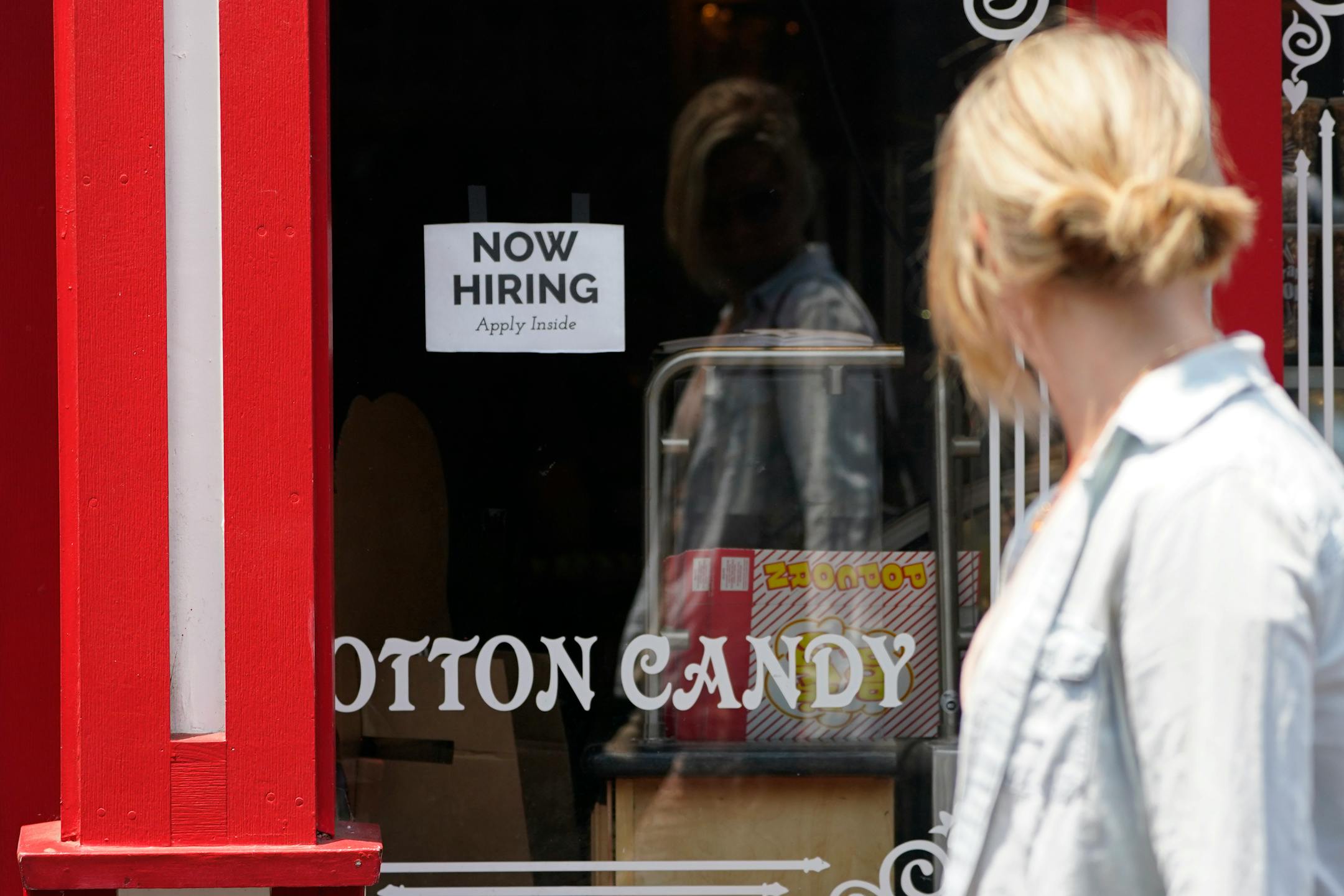
The pandemic disrupted many Americans' work lives. Some of us — generally highly educated white-collar workers with relatively well-paying jobs — were able to shift to remote work. Millions of other workers, especially many poorly paid service workers, simply saw their jobs disappear when consumers stopped eating out and traveling.
Now the economy is recovering — a recovery that will probably continue despite the spread of the delta variant of the coronavirus. But many Americans don't want to go back to the way things were before. After a year and a half of working from home, many don't want to return to the stress of commuting. And at least some of those who were forced into unemployment have come to realize how unhappy they were with low pay and poor working conditions, and are reluctant to go back to their previous jobs.
To be honest, when businesses first began complaining about labor shortages I was skeptical. These kinds of complaints always surface when the economy begins to recover from a slump and often mean only that job applicants have gotten a bit less desperate. Some of us also remember how, seven or eight years ago, Very Serious People insisted that we faced a major "skills gap" and would never be able to get unemployment down to the levels that prevailed before the financial crisis. (Spoiler: We did.)
At this point, however, it seems clear that something really is going on. You can see this from the data on vacancies: There are far more unfilled job openings than you would normally expect to see given the current level of unemployment, which is still fairly high.
You can also see it by looking at what's happening in the sector hit hardest by the pandemic, leisure and hospitality (think restaurants and hotels). Employment in that sector is still well below its prepandemic level; but to bring workers back, the sector has had to offer big wage increases, significantly above the prepandemic trend.
In other words, some workers really don't seem willing to go back to their old jobs unless offered substantially more money and/or better working conditions. But why is this happening? And is it a bad thing?
Conservatives insist that it is indeed a bad thing: Workers, they say, are refusing to take jobs because government aid is making unemployment too comfortable. But they would say that, wouldn't they? Remember, they said the same thing in the aftermath of the financial crisis, claiming that the unemployed were being coddled — when the actual reason recovery was slower than it should have been was the destructive fiscal austerity imposed by Republicans in Congress.
That said, the case for worrying about the incentive effects of unemployment benefits is better now than it was then. Aid to the unemployed has been far more generous during the pandemic than it was during the Great Recession; the $300 per week supplement to existing unemployment benefits enacted in December and extended in March, although less than the $600 per week supplement that prevailed for part of 2020, is, when combined with normal benefits, enough to replace most or all normal earnings for less-well-paid workers.


