Some songbirds thrive during Minnesota winters

For the Minnesota Star Tribune
December 27, 2017 at 1:40AM
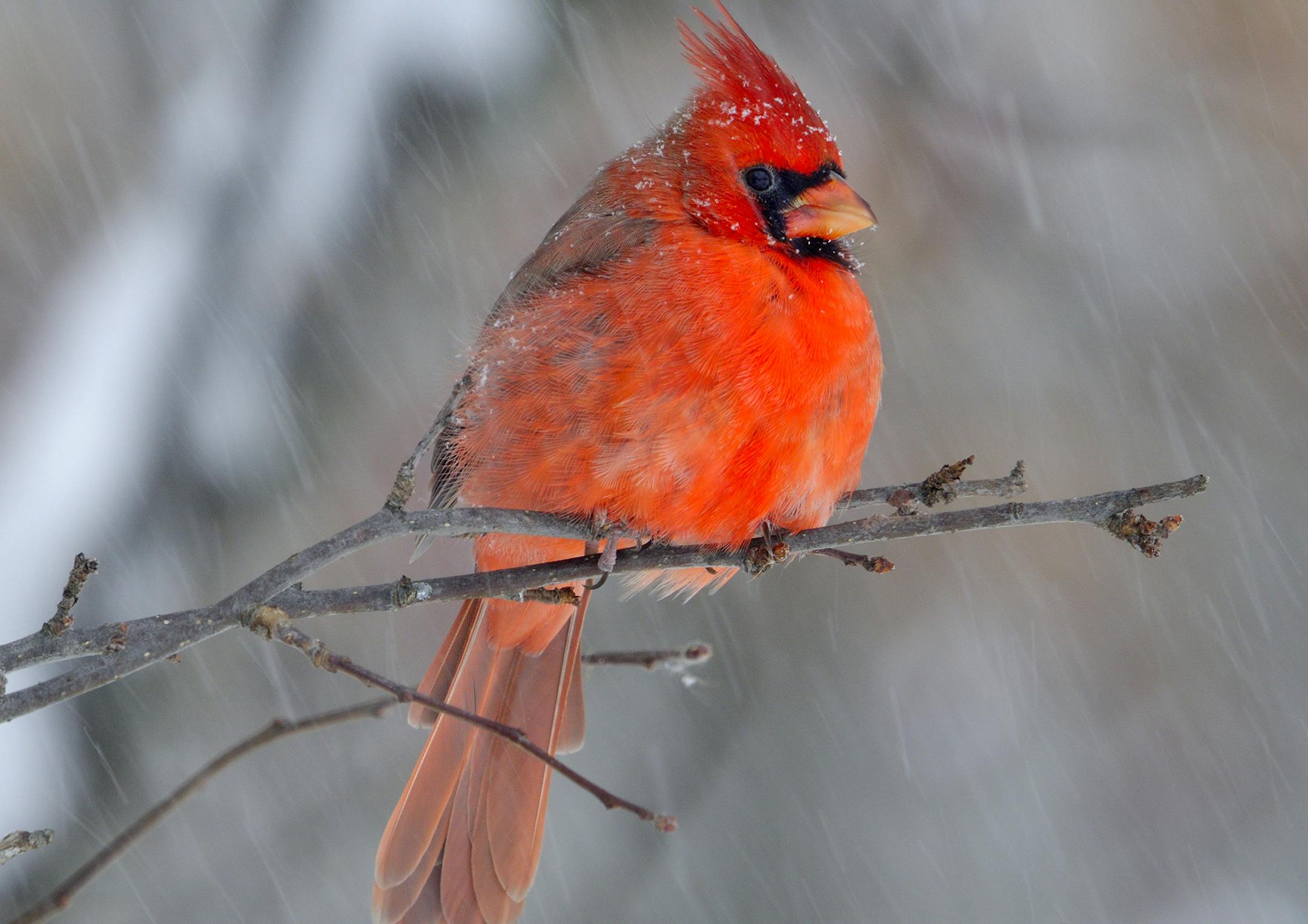
Brilliant at anytime of the year, male northern cardinals are especially attractive on snowy days.
Brilliant at anytime of the year, male northern cardinals are especially attractive on snowy days. (The Minnesota Star Tribune)

BRAINERD, Minn.

Colorful and fun to watch in any season, songbirds are especially attractive during winter, particularly when snow or frost adorns tree limbs and branches.

While most songbirds migrate south from Minnesota during winter, some bird species migrate from the far north into Minnesota. Believe it or not, the coldest state in the nation is a winter destination for many species. Birds such as common redpolls, pine grosbeaks, Bohemian waxwings and crossbills find our winter weather to their liking, especially when their favorite foods are available.

We have birds that are year-round residents, too. Perhaps most popular is the diminutive but ever active black-capped chickadee. Even on stormy winter days, chickadees are out and about. They can be found readily in almost every habitat type and, of course, are easily attracted to bird feeders.

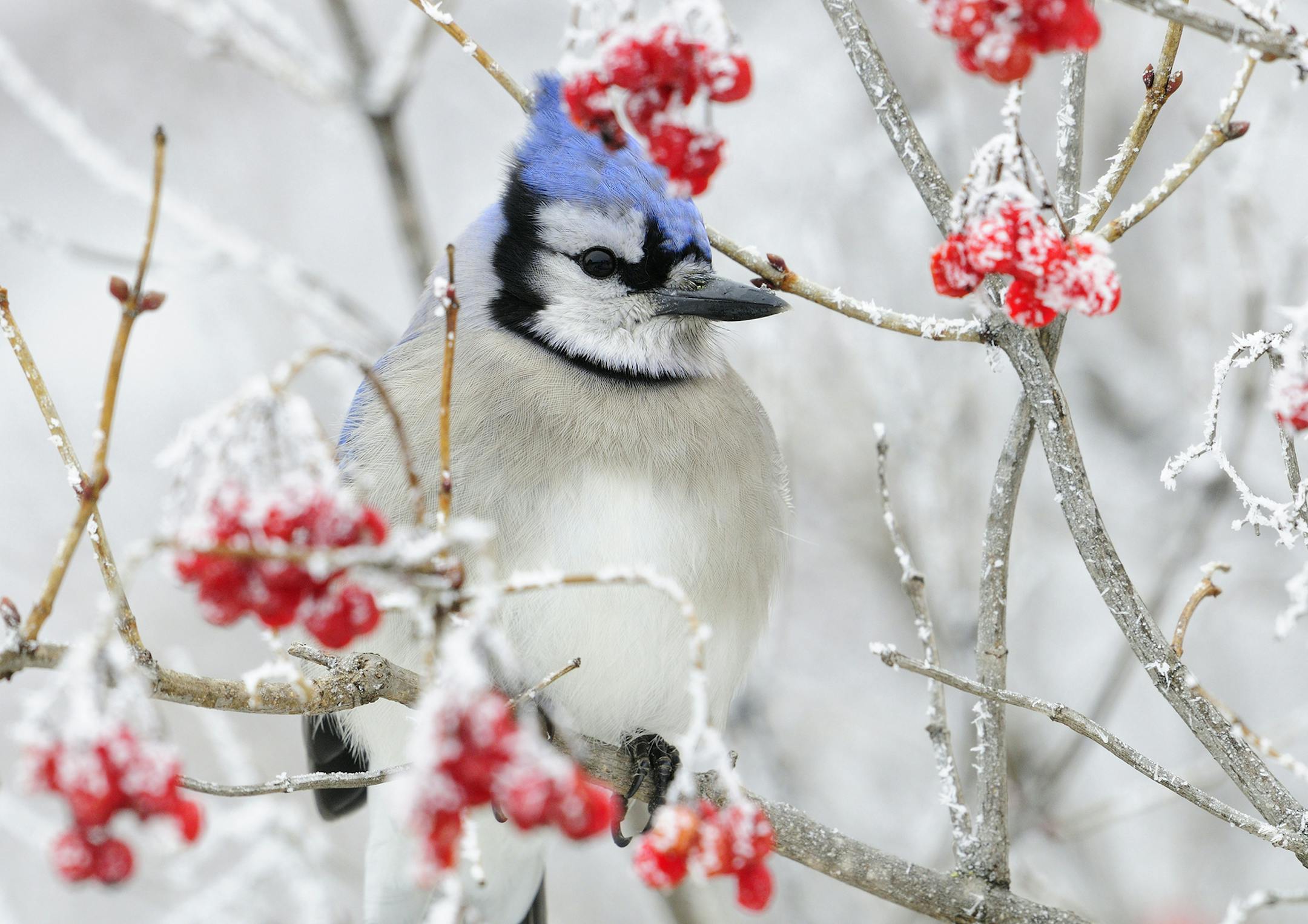
Blue jays are another permanent resident of Minnesota. Despised by some because of their dominant attitude around bird feeders, they are strikingly attractive, and I can't imagine a winter without them.

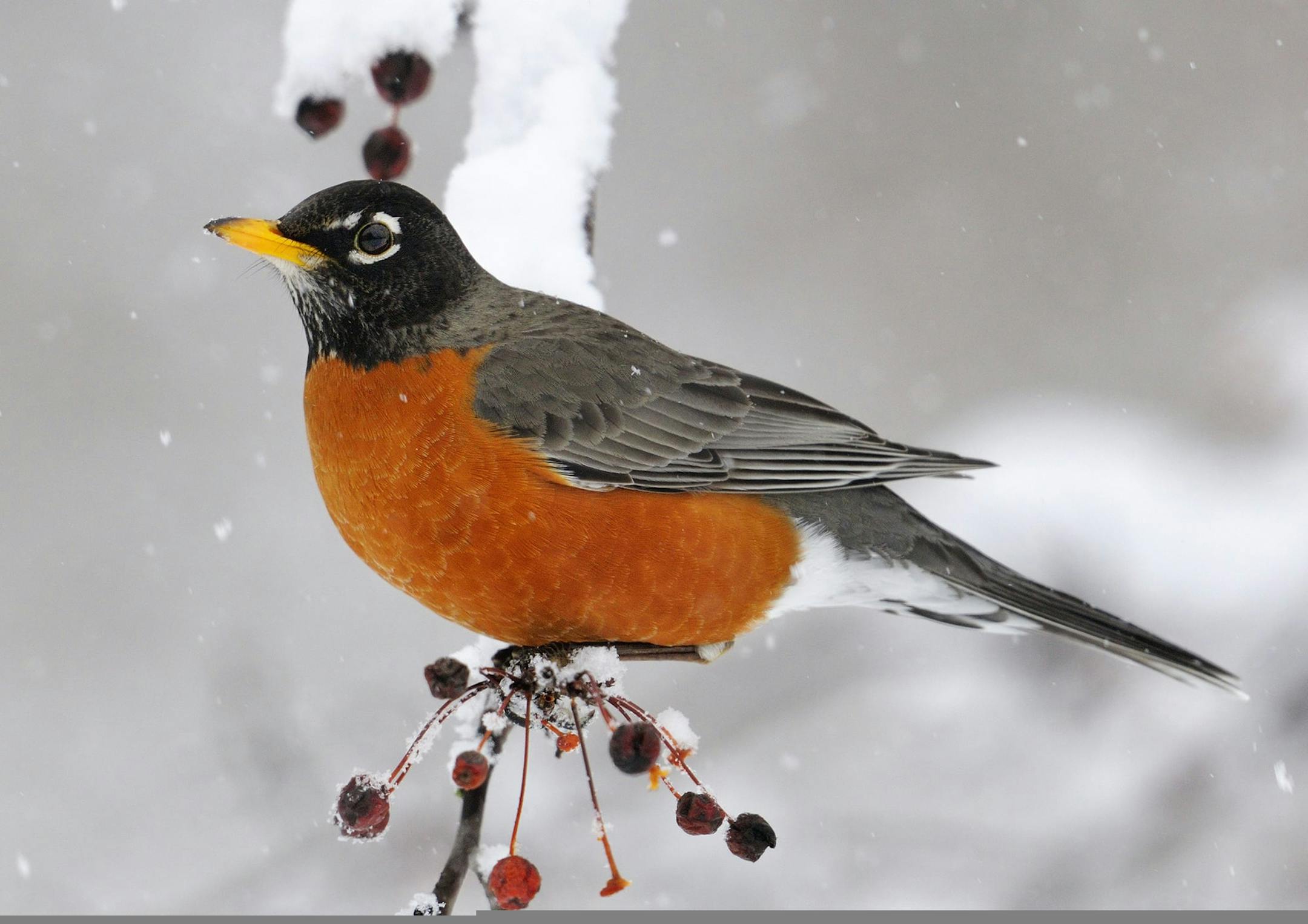
Another full-time Minnesota resident is the northern cardinal. What can you say about the brilliant red males? So radiant are they at times that they seem out of place. Even some robins spend the winter in Minnesota, usually feasting on the fruit of crabapple trees.

So, where does one look for these colorful winter birds?

Good spots to check are city parks, cemeteries and any place where ornamental fruit trees and shrubs have been planted.
To attract birds to my yard, over the years I have landscaped with various fruit bearing trees and shrubs such as mountain ash, crabapples and highbush cranberries. You can do the same. I also maintain six bird feeders, allowing me to offer winter birds a variety of seeds and suet.


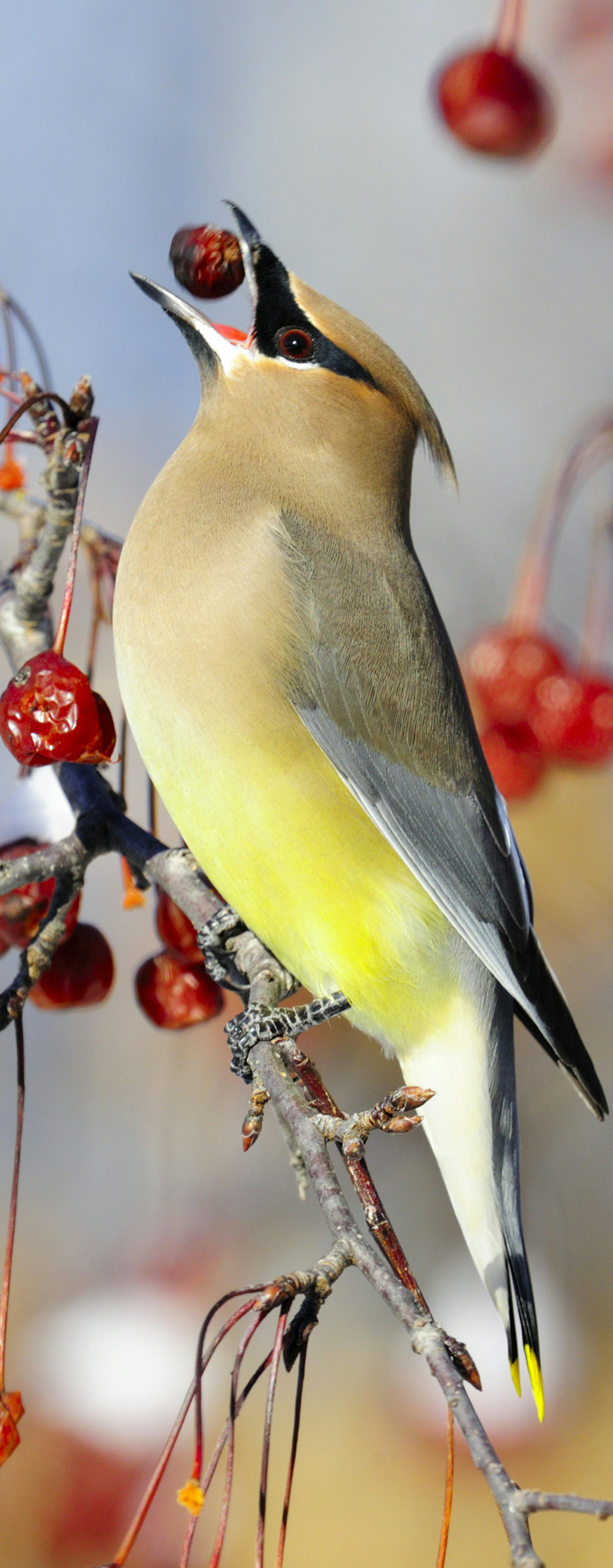
A cedar waxwing prepares to gulp down a crabapple. This bird species, along with some others, likes Minnesota winters.
A cedar waxwing prepares to gulp down a crabapple. This bird species, along with some others, likes Minnesota winters. (The Minnesota Star Tribune)
Some American robins overwinter in Minnesota, usually gathering and feeding on various fruits.
Some American robins overwinter in Minnesota, usually gathering and feeding on various fruits. (Bill Marchel, Special to the Star Tribune/The Minnesota Star Tribune)
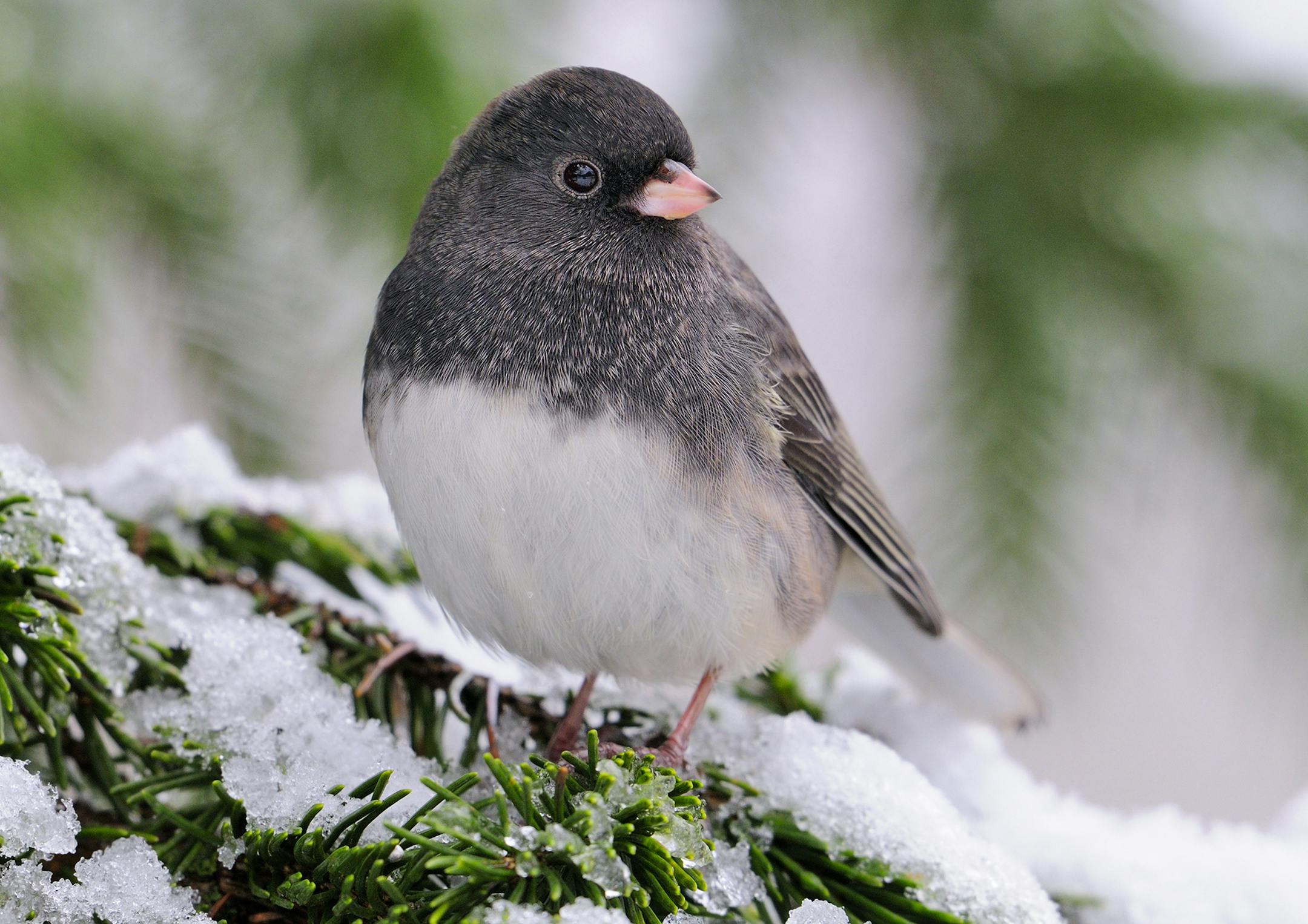
Juncos, like the dark-eyed one above, are fairly common during winter around backyard bird feeders.
Juncos, like the dark-eyed one above, are fairly common during winter around backyard bird feeders. (Bill Marchel, Special to the Star Tribune/The Minnesota Star Tribune)
Blue jays are a colorful addition to winter landscapes despite their pushy attitude around bird feeders.
Blue jays are a colorful addition to winter landscapes despite their pushy attitude around bird feeders. (The Minnesota Star Tribune)
about the writer

about the writer

BILL MARCHEL