

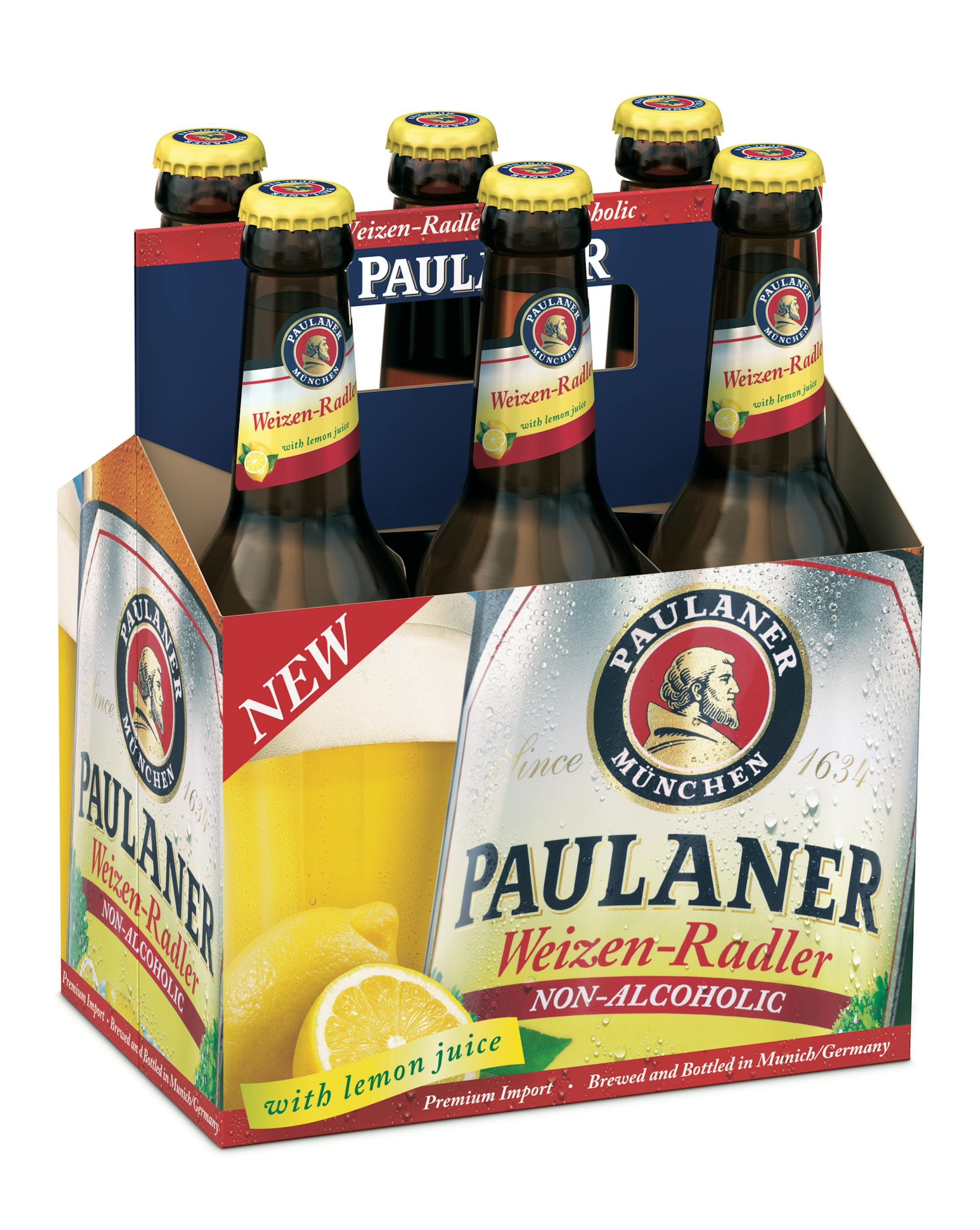
I am frequently asked to recommend nonalcoholic (NA) beers. I have to admit, though, that this is an area of the beer universe that I hadn't given much attention. The few I had tasted were so universally awful that I was loath to advocate for them.
But there are plenty of good reasons for drinking nonalcoholic brews. Pregnancy, preference and nonimpaired driving all come to mind, although those enjoying the NA beer should remember that a small amount of alcohol generally remains. Those who crave the taste of beer, but don't want the booze, need a solid option.
Modern nonalcoholic beer came to life during Prohibition. The Volstead Act — legislation that provided the rules for enforcing the alcohol ban — set an upper limit of 0.5 percent alcohol by volume, a limit that still applies to NA beer. Many breweries of the day stayed in business by de-alcoholizing their regular beers to produce "near beer" or "tonic" as it was known. Doing so kept their brewers employed and their equipment running and ready should Prohibition one day be repealed.
NA beer begins like any other beer. Barley malt is mashed. Hops are added for bitterness and flavor. Wort is boiled and then fermented. But while normal beer would then be packaged for sale, NA beer is processed further for alcohol removal.
This is typically done with heat. Alcohol has a lower boiling point than water. Heating the beer to that temperature vaporizes the alcohol while leaving the rest of the beer intact. Most brewers use vacuum distillation. The decreased pressure in a vacuum lowers the temperature necessary to boil off the alcohol.
Another method is reverse osmosis filtration. The beer is run through filters fine enough to allow only water and alcohol to pass through. The alcohol is then boiled away and the water is added back to the beer syrup that was left behind.
The problem is that both of these methods negatively impact beer flavor. Heat hastens the staling effects of oxidation. Boiling vaporizes the flavor and aroma compounds of hops along with the alcohol. Filtration unavoidably strips the beer of some flavor compounds. And alcohol itself is part of the flavor profile of beer. It gives subtle floral and fruity notes, as well as helping to balance the sweetness of residual sugar.
As a result, many NA beers are either overly sweet or have strong apple and sour notes that resemble subpar cider. In most cases drinking a soft drink or tonic with lime would be a more palatable option.


