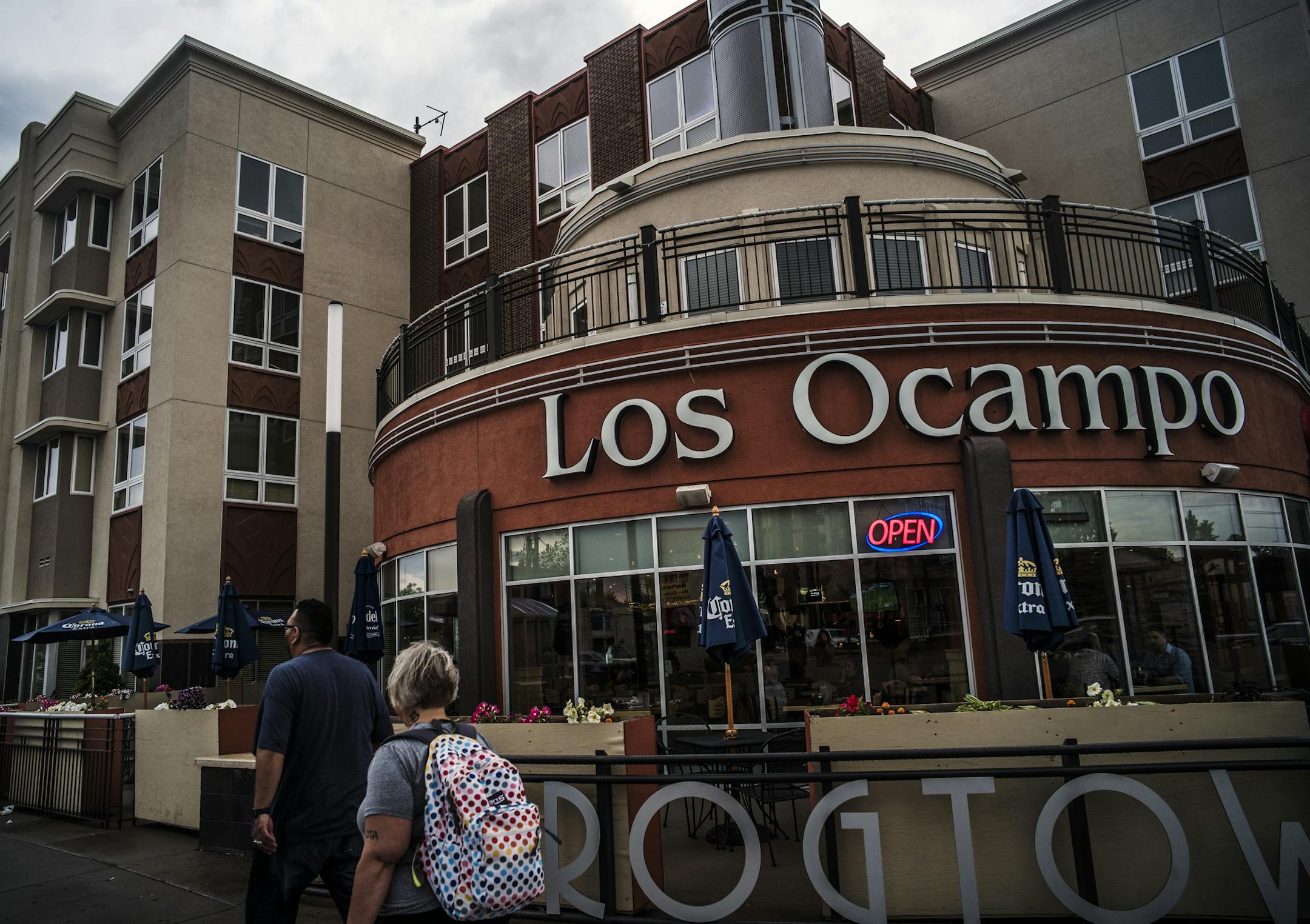
The offer was enticing.
If residents of St. Paul's Wilder Square Co-op voted "yes," each of the 163 units would get spruced-up kitchens and bathrooms, new air conditioning, carpeting, vinyl floors, sliding doors and a fresh coat of paint. Best of all, each household would also receive at least $4,000 in cash, part of a package of $3.3 million in improvements proposed by the would-be buyers, Real Estate Equities.
Then Walter Battle, a Wilder Square resident since 2011, raised his voice and pointed to the fine print. A "yes" vote would disband the co-op, turning owners into renters.
"They did not know what they were voting on," Battle said of the planned vote at the co-op's annual meeting last August. "After that, people were angry."
And afraid that their quiet development with flowering trees on the northern edge of Frogtown would be priced out of their reach. "Gentrification in a nutshell," Battle said.
The vote was shelved. The purchase proposal withdrawn. Terry Troy, chairman of Real Estate Equities, said the intent was not to price anyone out of their homes, but to make improvements to a 44-year-old property. And with 93 of the co-op's 163 units reserved for low-income residents for the next 20 years, he said it's hardly an example of gentrification.
Still, the debate at Wilder Square exposed an anxiety coursing through Frogtown and traditionally poor city neighborhoods throughout the United States: a fear that fast-rising housing costs will force people out. After years of feeling neglected, many residents now believe that investment will lift up their neighborhood for everyone but them.
"We designed this neighborhood with nothing. We got sticks and bubble gum and made it beautiful," said Tia Williams, a neighborhood leader who was herself priced out of Frogtown. "We want to keep it the way it is. And it's just really bad that this narrative could destroy it. We don't want investment that pushes people outside the neighborhood."