

About five years ago, every other winemaker in California started talking about "pulling back on the oak in our chardonnay." One night last week, I realized that they actually had lived up to that promise.
I was in a hurry but determined to work through some samples, and grabbed five nondescript chards from the basement refrigerator. The "furniture slathered in butter" chardonnays that ruled the roost for decades are not my favorites, but it's my job to determine which of these are well-made for the many who do like that style.
Anyway, my random sampling of what seemed to be standard fare was revelatory, with much cleaner juice, from the ones with a touch of oak (Bonterra, Echelon, Black Stallion), a toasty no-oak (Calling All Angels) and a bulk wine that was stunningly "pure" (Down Under from Australia). A couple of nights later, I tried an Inman Family chard that was so citrusy and light that it would make a great "ringer" in a sauvignon-blanc tasting and a juicy unoaked offering from a longtime traditional stalwart, Estancia.
What's going on?
"Wineries are stylistically definitely trending toward unoaked or moderately oaked," said Michael Grabner, buyer/manager at Century Wine & Spirits in Chanhassen. "We're definitely seeing a shift where people are pushing away from oaked chardonnay."
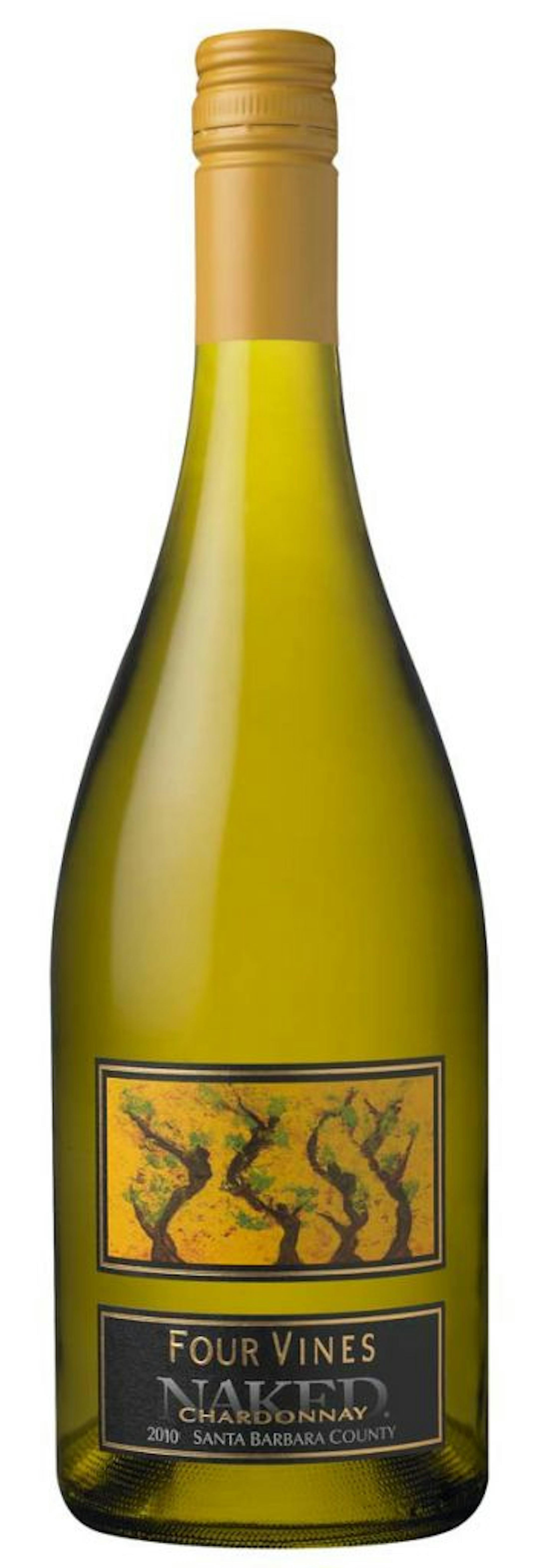
Grabner cited several of my favorites among his popular unoaked brands: Saracina, Chamisal, Toad Hollow, Calling All Angels, Four Vines Naked and Argentina's Meschini (owned by a Twin Cities couple); I also like St. Supéry, Charles Smith "Eve," LIOCO and a new entry from Michigan, Arcturus "Sur Lie."
He also noted that consumers' evolving/broadening palates were not the only consideration: "I'm pretty sure producers are happy not to have to buy barrels for $1,200."
It hasn't always been a smooth transition at the source, as early unoaked efforts were uneven. "A lot of the chardonnays were hiding behind barrels," Grabner said, "so some of the first were not good at all, but maybe they were sourcing fruit that was not the best."


