

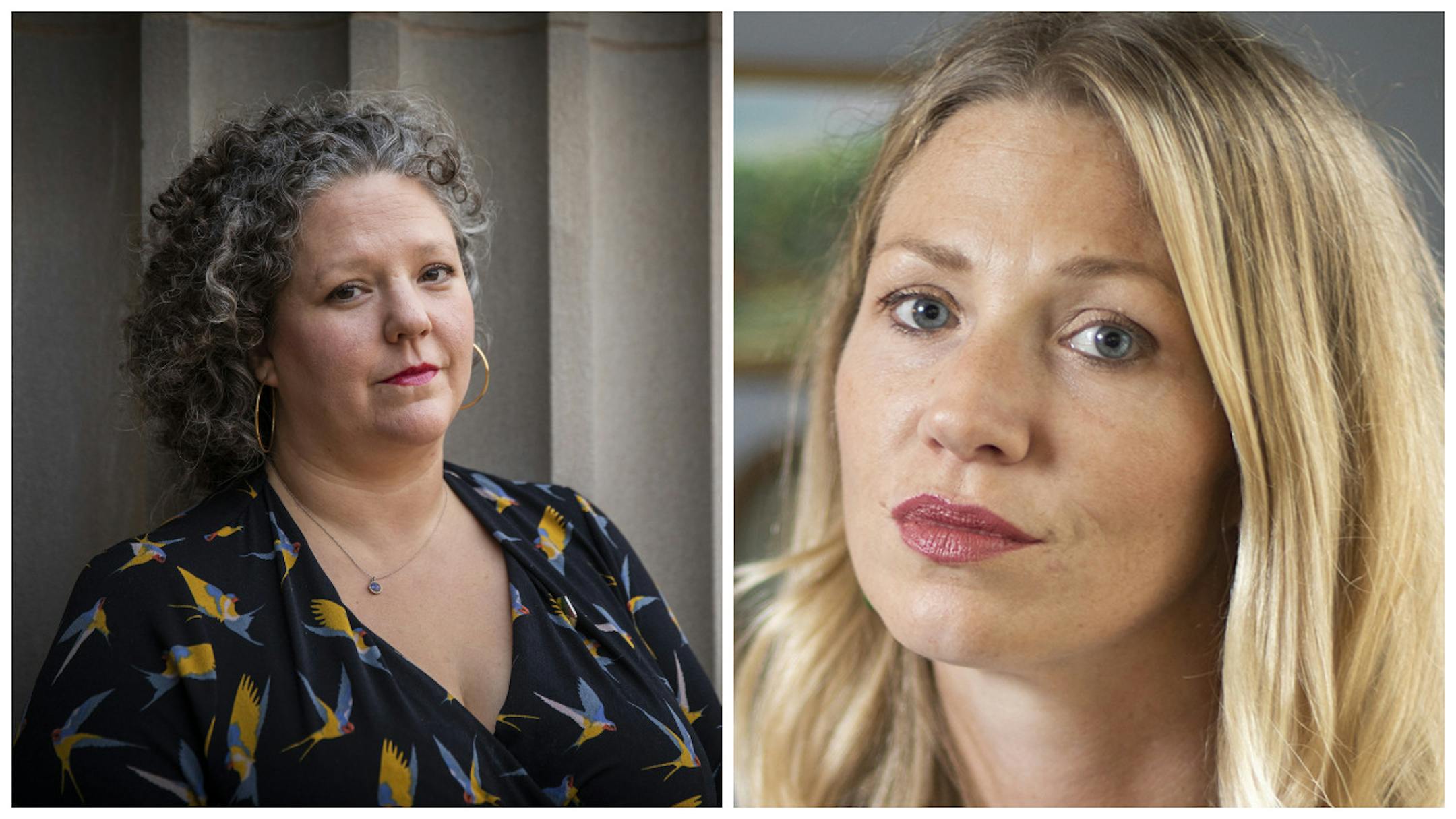
Christine Blasey Ford's insistence on two front doors hit Sara Freeman the hardest.
When Ford told U.S. senators that she needed to add a second front door to her family's house, describing it as an effect of teenage sexual assault at the hands of Supreme Court nominee Brett Kavanaugh decades ago, Freeman understood it all too well.
"I've lived with PTSD for 20 years. That is trauma response," said Freeman, a south Minneapolis financial officer who said she was raped at gunpoint in a Rochester parking garage in 1998.
She, too, looks for multiple escape routes, Freeman said. She, too, has seared memories of her attack: the sound of a gun holster unsnapping, the gravelly feel of the concrete floor, waiting for silence in the moments after the attack, praying she wouldn't be shot. "Survivors don't forget this stuff."
So Freeman, like many other survivors, has been calling and faxing and e-mailing members of the Senate Judiciary Committee in recent days, urging them to vote against the appointment of Kavanaugh to the highest court in the land.
Even after the #MeToo movement unmasked the pervasiveness of sexual assault, hotlines and advocacy groups reported an increase in survivors seeking help and taking action after Ford's testimony last week before the Senate committee. Some of Kavanaugh's opponents have been standing vigil and plan to march to stop his nomination.
In Freeman's mind, and the minds of many women in the #MeToo movement, the confirmation is not just about one situation, not just about victims being heard and believed. It's about the next step.
"Originally I think the question was … are these [sex assault] numbers real?" said Sarah Super, a sexual assault survivor and founder of Break the Silence in Minnesota. "Now I feel like we recognize that it is pervasive, it happens close to us. Now the question that remains is: Does this matter and do people care?"


