
Somali recruits 'scared to death'

Witness in Omar trial describes graphic video of "traitor" being beheaded, says Minnesotans didn't know terror group's agenda.

October 6, 2012 at 2:39AM
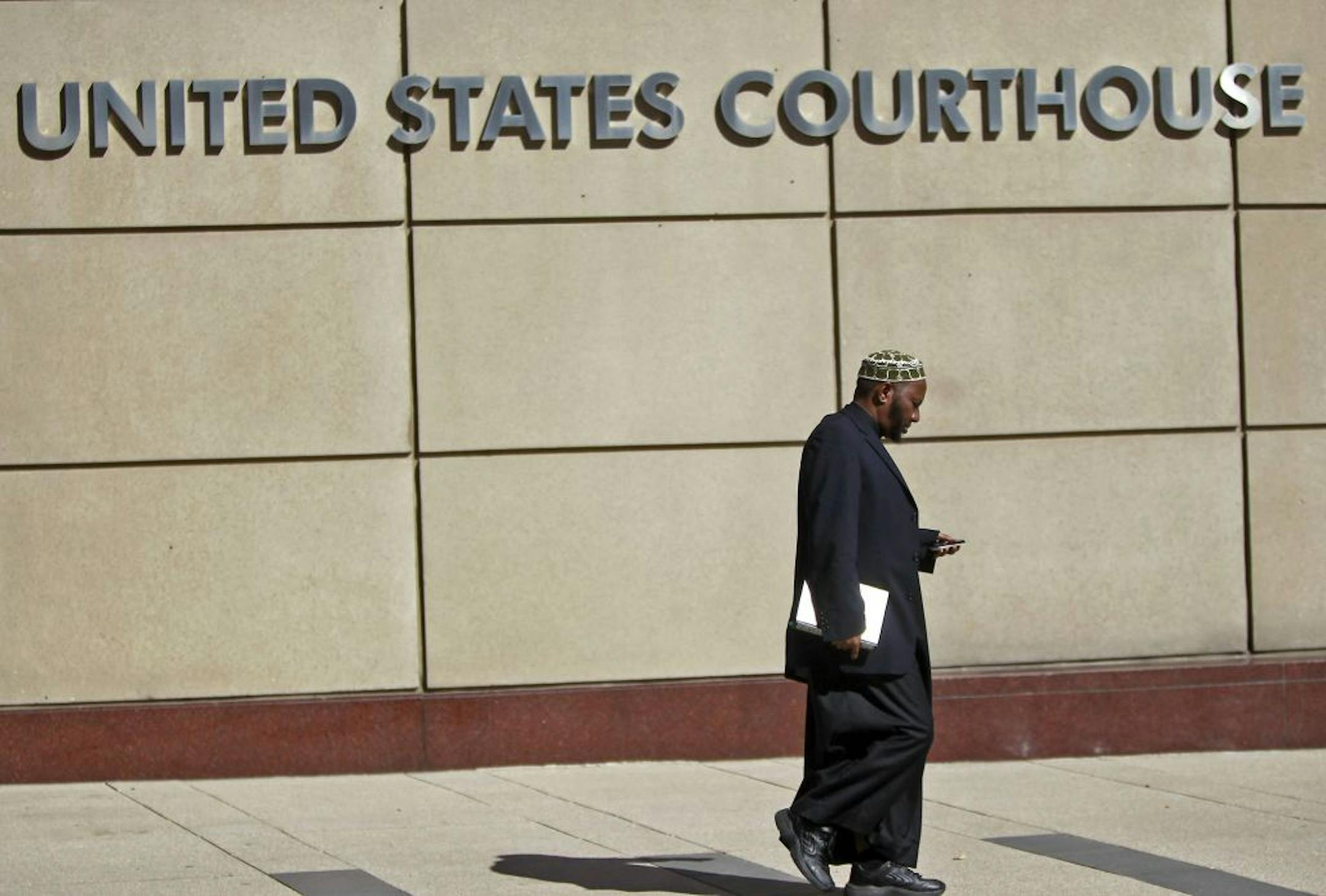
Family and supporters of Mahamud Said Omar made their way to and from the Federal Courthouse for opening arguments for his trial, Tuesday, October 2, 2012. Omar is charged with recruiting and arming young men who left here to fight in Somali. (ELIZABETH FLORES/STAR TRIBUNE) ELIZABETH FLORES � eflores@startribune.com
Family and supporters of Mahamud Said Omar made their way to and from the Federal Courthouse for opening arguments for his trial, Tuesday, October 2, 2012. (Star Tribune/The Minnesota Star Tribune)

Another Minnesota man who trained to fight with terrorists in Somalia gave jurors on Friday a chilling inside view of the tactics used by terrorists.

Salah Osman Ahmed, 29, said that when he and three other Twin Cities recruits for the terrorist group known as Al-Shabab arrived in Somalia in 2007, they were taken to a hotel owned by a man called "Samatar," one of the group's leaders.

"The whole city, you see guns; people were running around with guns and bullets," Ahmed said. "We were scared to death."

He said later they were told to drop their passports and identification documents on the floor and were then shown a video. "There was a guy being beheaded. They cut his throat," he said. "This guy was a traitor. They said, 'This is what happens to whoever is against the group.'"

Ahmed is among three men who have pleaded guilty to terror-related charges and who are now star witnesses for the U.S. government in the trial of a Minneapolis man accused of helping them go to Somalia to train and fight with Al-Shabab. The three men have not yet been sentenced.

More than 20 Minnesota men have gone to Somalia to join a holy war they initially believed was against Ethiopian soldiers who had entered the country to help support the weak Transitional Federal Government. When they got there, they discovered that Al-Shabab had a different agenda, according to testimony. It aimed to topple the government and establish a severe form of Islamic law.

Ahmed said his involvement in Al-Shabab began in 2007, when he attended secret meetings organized by a group of young men who worshiped at a Minneapolis mosque. They raised money for their trips by asking for donations to build a mosque in outstate Minnesota.

The group would huddle around a speaker phone at a local Somali restaurant, where they received a report from "Samatar" in Somalia on the guerrilla war and how they could join the fight against the Ethiopians.
Ahmed testified in the trial of Mahamud Said Omar, 46, of Minneapolis, who faces five charges related to helping a terrorist organization and conspiring to kill and maim people overseas.

Defense attorneys have not yet questioned Ahmed. But Andrew Birrell, one of Omar's lawyers, had his first shot Friday at another onetime Al-Shabab recruit who testified that he had seen Omar giving $500 in "pocket money" to one of the travelers before he left Minneapolis. That witness, Abdifatah Yusuf Isse, also testified this week that he had seen Omar at an Al-Shabab safe house in Marka, a town south of Mogadishu.

Birrell grilled Isse, looking for contradictions in his story, and underscored the fact that he cut a deal to avoid a potential life sentence in prison. But Isse remained unruffled, offering an answer for every question.

Isse pleaded guilty on April 24, 2009, to providing material support to a foreign terrorist organization. His plea agreement limits his potential sentence to 15 years. However, Isse may be eligible for a sentence below federal guidelines if prosecutors make a motion for a reduction based on his "substantial assistance" in the case.

Chief U.S. District Judge Michael Davis said he needed to ask Isse a couple of questions before excusing him.

"You said you were a victim?" Davis said.

Isse replied: "In a way."

He explained that he met the wrong people and they took advantage of him by preaching that he could "go to paradise" if he were to die in battle against invading nonbelievers.

"Before Somalia, had you ever picked up a gun?" the judge asked.

"No. Never," Isse answered quickly.

"Prior to Somalia, being preached to, did you know anything about the differences between Ethiopia and Somalia?" Davis asked.

"No," Isse said.

"So your parents never talked to you about that?"

"No," Isse responded.

After a long period of silence, the judge excused him.

ashah@startribune.com • 612-673-4488 dbrowning@startribune.com • 612-673-4493

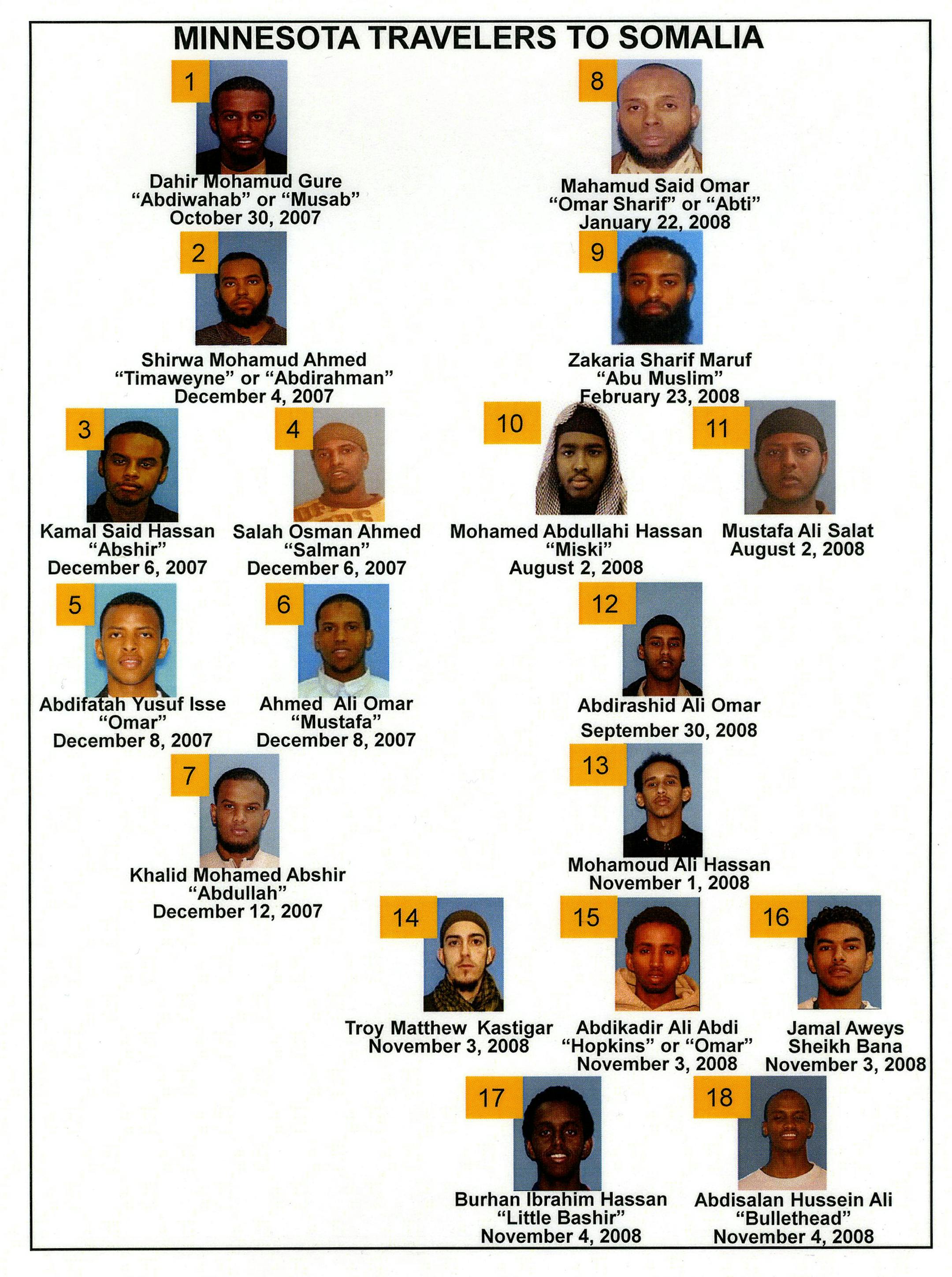
Minnesota travelers to Somalia, arranged by date of travel
Minnesota travelers to Somalia, arranged by date of travel (Catherine Preus/The Minnesota Star Tribune)
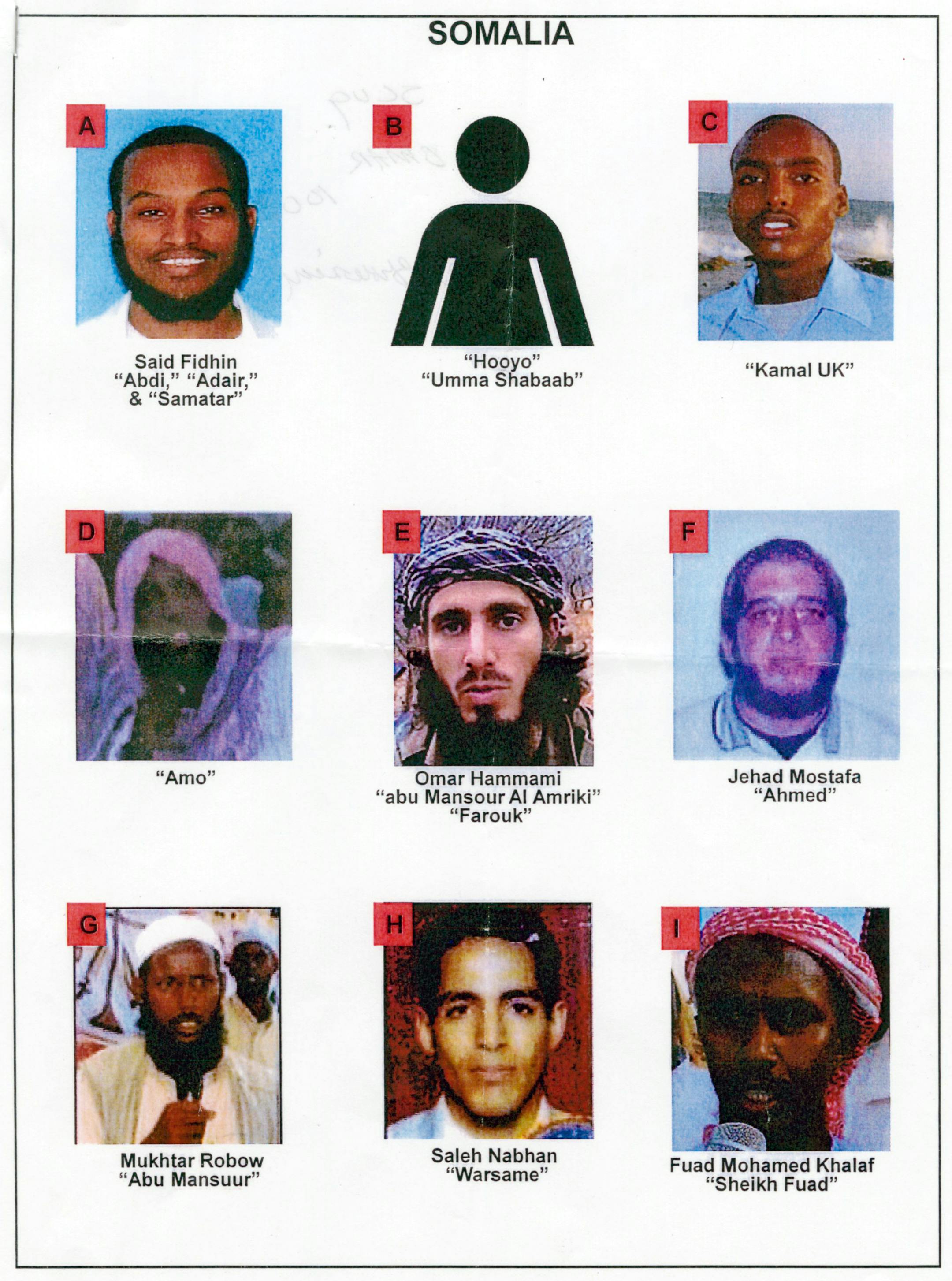
Connections to Somalia
Connections to Somalia (Catherine Preus/The Minnesota Star Tribune)
about the writers

about the writers

Allie Shah

Deputy editor

Allie Shah is deputy local editor. She previously supervised coverage of K-12 and higher education issues in Minnesota. In her more than 20 year journalism career at the Minnesota Star Tribune, Shah has reported on topics ranging from education to immigration and health.

See Moreicon

Dan Browning

Reporter

Dan Browning has worked as a reporter and editor since 1982. He joined the Star Tribune in 1998 and now covers greater Minnesota. His expertise includes investigative reporting, public records, data analysis and legal affairs.

See Moreicon

More from No Section

See More
FILE -- A rent deposit slot at an apartment complex in Tucker, Ga., on July 21, 2020. As an eviction crisis has seemed increasingly likely this summer, everyone in the housing market has made the same plea to Washington: Send money — lots of it — that would keep renters in their homes and landlords afloat. (Melissa Golden/The New York Times) ORG XMIT: XNYT58
Melissa Golden/The New York Times

It’s too soon to tell how much the immigration crackdown is to blame.