

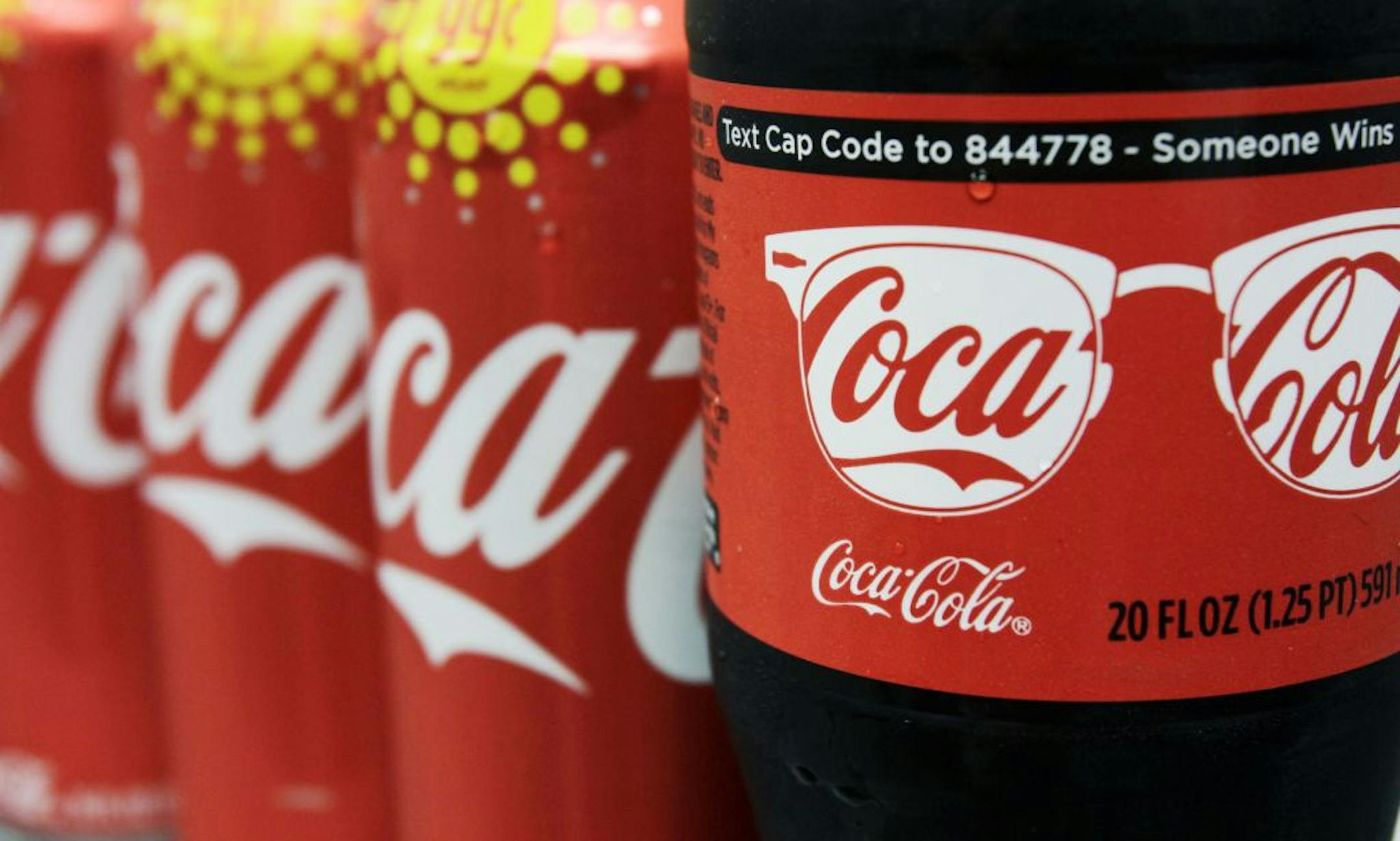
As one of the Americans who "love carbonated soft drinks," I must respond to Roger Feldman's argument that government should impose an even higher tax on soft drinks ("The Case for Taxing Soda Pop," Dec. 4).
Make no mistake about it: Obesity is a serious public health problem. I understand the implications of an overweight society for our American health care system as well as for each of us personally.
But while Feldman makes several interesting arguments regarding government's subsidization of agricultural products, he misses the mark when he suggests that a soda tax will curb obesity in Minnesota.
Food critics like Feldman argue that if a product costs more, we won't buy it. Feldman would lead us to believe that a soda tax is the next wonder drug -- that if we tax it more, the 34 percent of Americans who are obese will consume less of it.
Interestingly, researchers at George Mason University found that even a 20 percent tax on soda would reduce an obese person's body mass index only from 40 to 39.98 -- a change not even measurable on a bathroom scale.
Experience teaches that a higher tax on soda would serve only to increase state government's girth, not to reduce our own.
Researchers like Feldman believe that a soda tax would be similar to the cigarette tax as a "model of success." Smoking is likely the most extensively studied form of consumption in America.
It is also a highly regulated and restricted commodity courtesy of hypocritical government officials who preach against its use while conveniently using tobacco as their "go-to tax" when state coffers run dry.


