

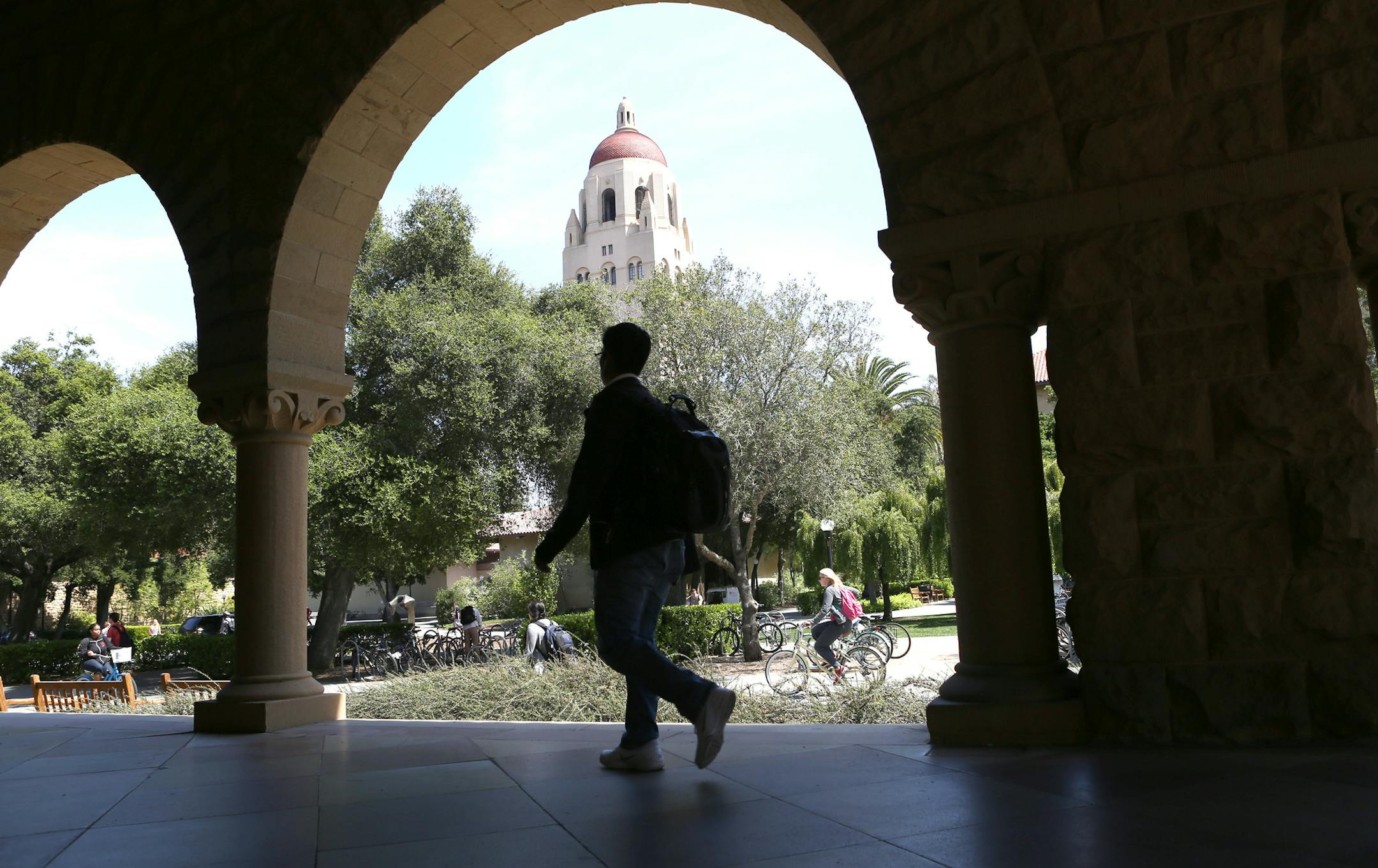
Tonight, the students of Stanford University will sleep more soundly. Last week, a group called "Fossil Free Stanford" persuaded the school's endowment to divest its stock holdings from coal-mining companies. The world will be a better place.
Except that it won't be. Individual divestments, either as economic or symbolic pressure, have never succeeded in getting companies or countries to change.
Global public equity markets constitute about $60 trillion of market capitalization. With about $19 billion, Stanford's endowment represents only about 500ths of 1 percent of the world's capitalization. Even if Stanford divested itself fully of all its stocks, both fossil and nonfossil, it would probably take the market less than an hour to absorb the shares. It would not lead the executives of the affected companies to engage in soul-searching, much less in changes in operations.
Proponents of divestment argue that it sends an important signal, and that other university endowments will follow. Yet all of them together command only about $500 billion of market capitalization.
Moreover, if divestment really drove down fossil-fuel stock prices, then there would be plenty of other investors ready, able and willing to step in to buy their shares, now trading for just a little cheaper than they otherwise would.
But didn't a similar boycott force South Africa in the 1980s to abandon apartheid?
Unfortunately not. In an academic study, my co-authors and I found that the announcement of divestment from South Africa, not only by universities but also by state pension funds, had no discernible effect on the valuation of companies that were being divested, either short-term or long-term.
And there was no real effect on the composition of their shareholders between institutional and noninstitutional investors. We looked hard for evidence linking boycotts and sanctions to the value of the South Africa's currency, stock market and economy. Nothing.


