

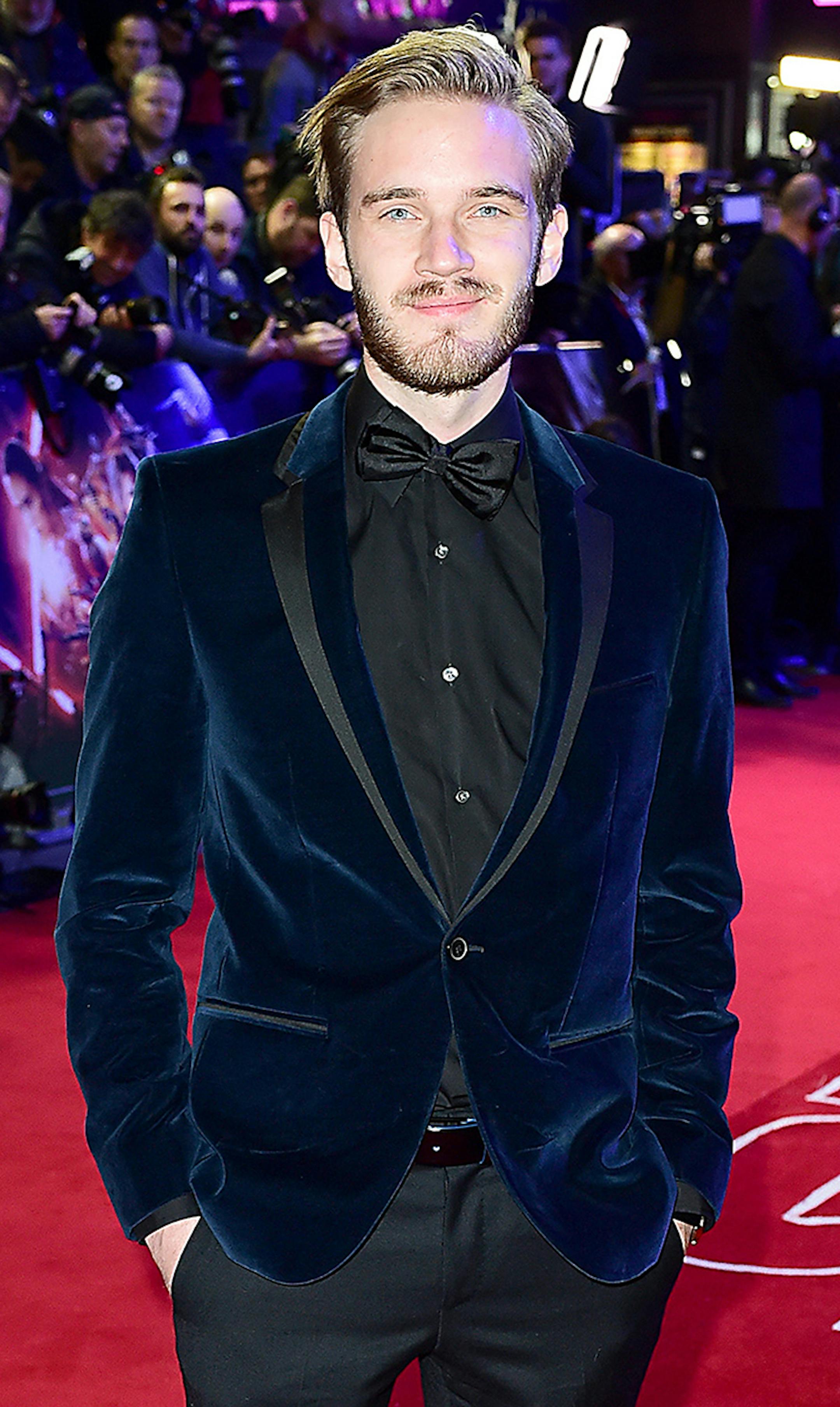
It may appear that YouTube user PewDiePie's love for playing Warner Bros.' "Middle Earth: Shadow of Mordor" video game was genuine and innocuous — but the federal government says the YouTube star was paid for his endorsement of the game.
A recent Federal Trade Commission (FTC) scolding of Warner Bros. has put the spotlight on celebrity endorsers on YouTube, including the popular PewDiePie, who has more than 47 million subscribers. It also opened the door to more frequent regulation of the so-called "sponsored social" advertising industry.
The FTC said that companies that hire internet celebrities who produce sponsored content must reveal that arrangement clearly. One entrepreneur says it's about time.
"I'm happy to see that the Federal Trade Commission is getting more aggressive and more vocal and going after big brands and well-known names," said Ted Murphy, whose company Izea serves as a platform for celebrities to get paid for advertising brands on social media. "I don't think the majority of people have taken that seriously."
Enforcement could be tough for smaller-profile pitchmen and women, but the FTC's pursuit of agreements with high-profile stars could set an example.
In penalizing Warner Bros., the agency wanted to send a message, as well, to YouTube celebrities, including PewDiePie, a 26-year-old Swedish gamer whose real name is Felix Kjellberg.
The agency said in a release that Kjellberg and other YouTube broadcasters had failed to sufficiently reveal that they had been paid by Warner Bros. for the game reviews.
On his YouTube channel under the video, Kjellberg posted a note that read, "This video was sponsored by Warner Brother(s)." The FTC said that was not prominent enough. There was no mention of the sponsorship in the video, and the disclaimer only appeared after a user clicked on a button below the video.


