

Opinion editor’s note: Star Tribune Opinion publishes a mix of national and local commentaries online and in print each day. To contribute, click here.
•••
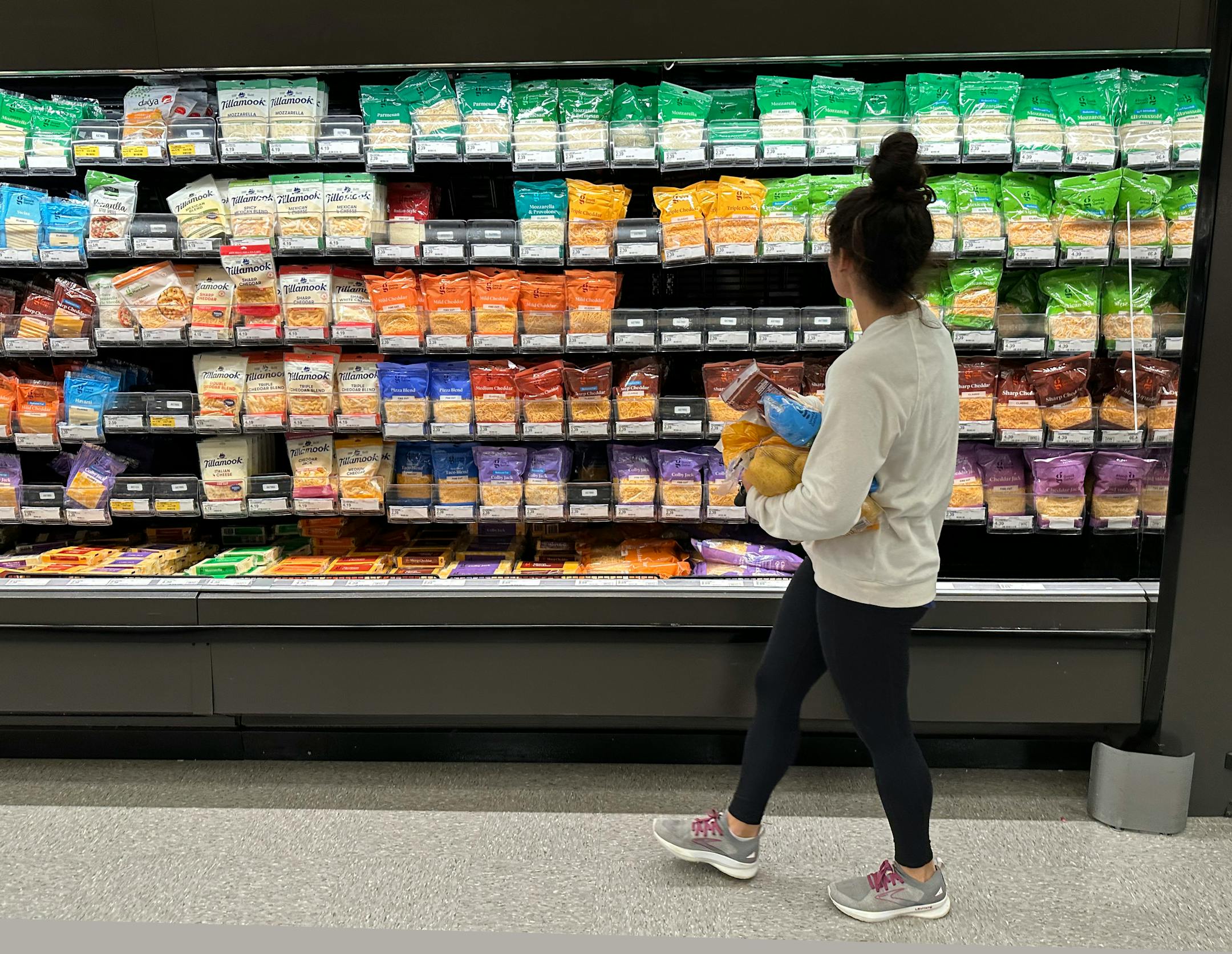
Since the pandemic, going to the grocery store has become a jarring experience. On a recent visit, I packed my purchased items into my tote bag and then gawked at the receipt in disbelief.
I’m not alone. Griping about the high cost of groceries has become a national pastime. It’s not just a figment of our imaginations: Grocery prices have soared nearly 27% since 2020, higher than overall inflation.
Some consumers have gone into debt to afford groceries. According to an Urban Institute analysis, many families have had to tap credit cards, savings and payday loans to afford the essentials.
The standard explanation for these grocery price increases has been supply chain disruptions caused by pandemic-related labor shortages, rising fuel costs and droughts.
Certainly those factors have all played a significant role. But is that all that’s going on here? Let’s probe a little deeper.
Concurrent with the alarming rise in grocery prices has been a record increase in grocery industry profits. The major grocery chains have been operating at the highest profit margins in two decades. A recent Federal Trade Commission study on grocery supply chains found that major retailers have leveraged their size and influence to dictate what they pay to their suppliers.


