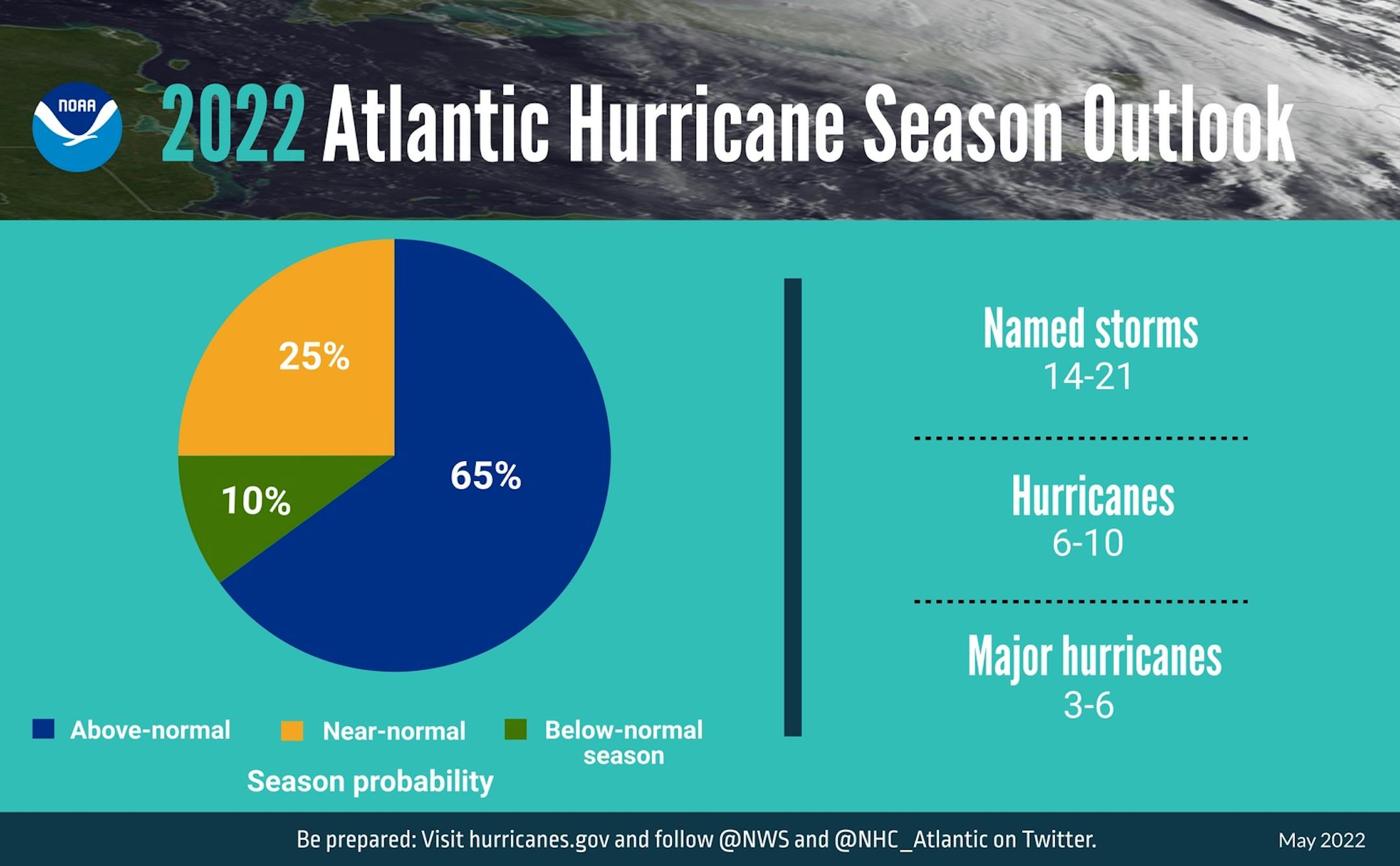
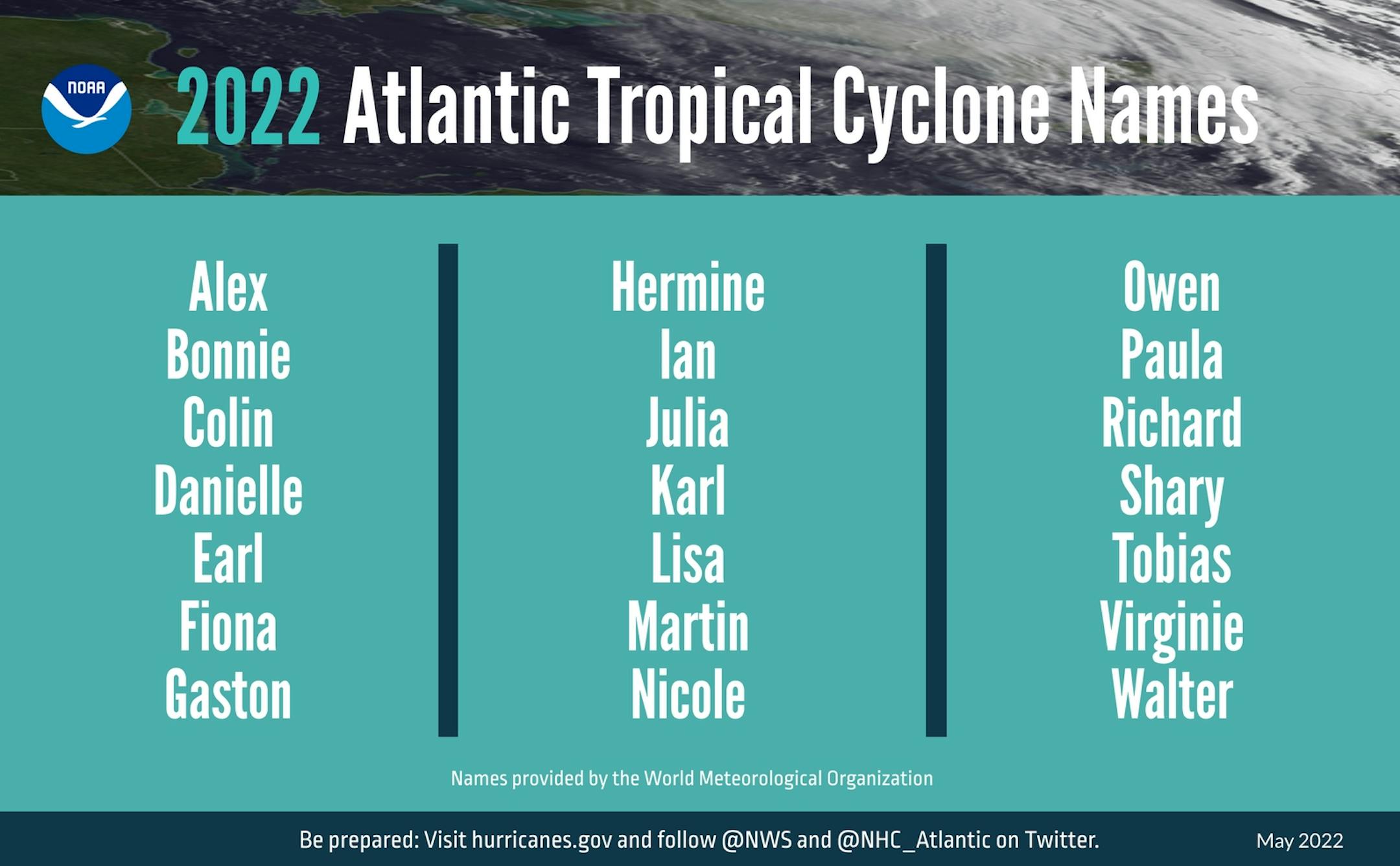
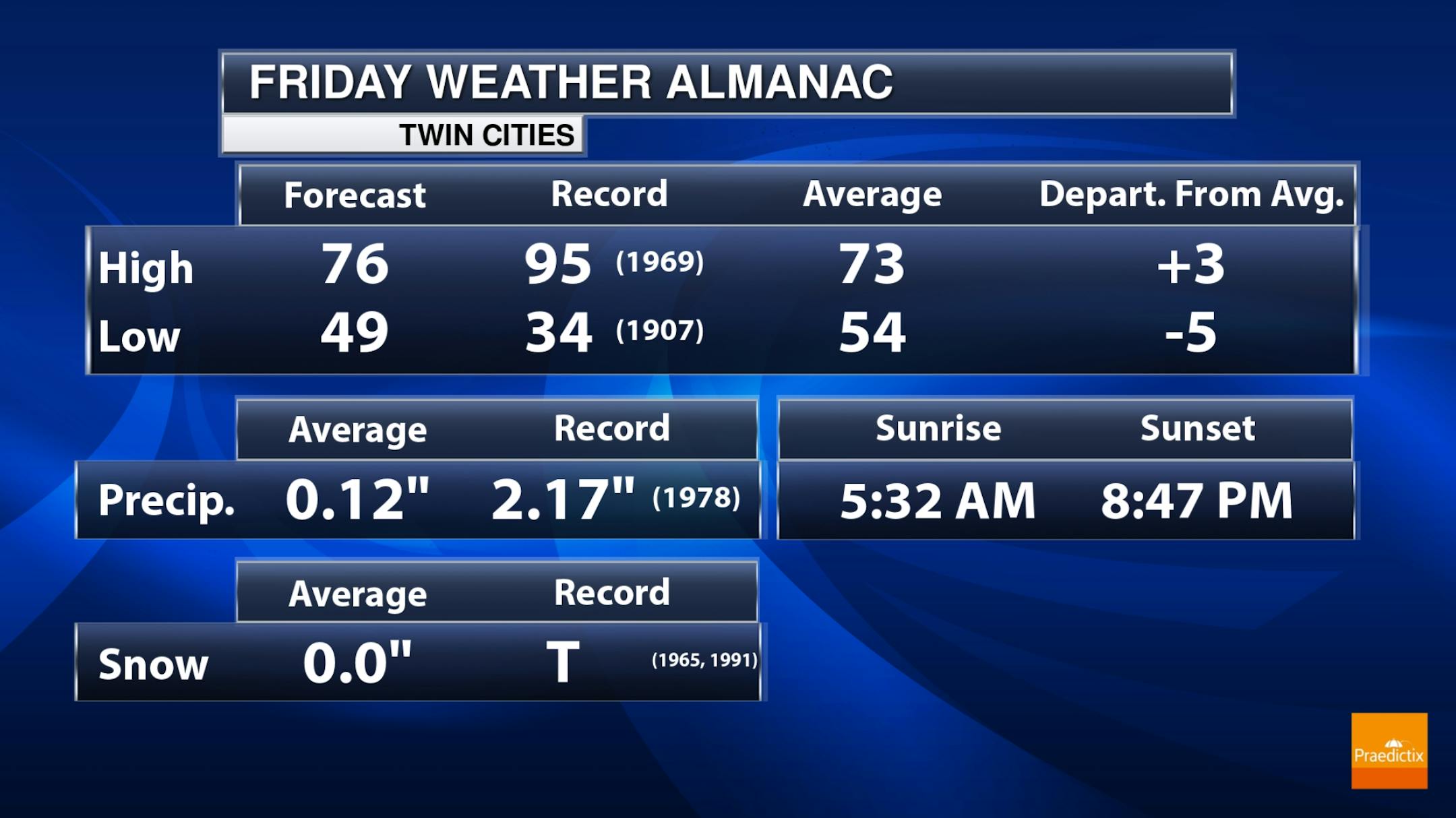
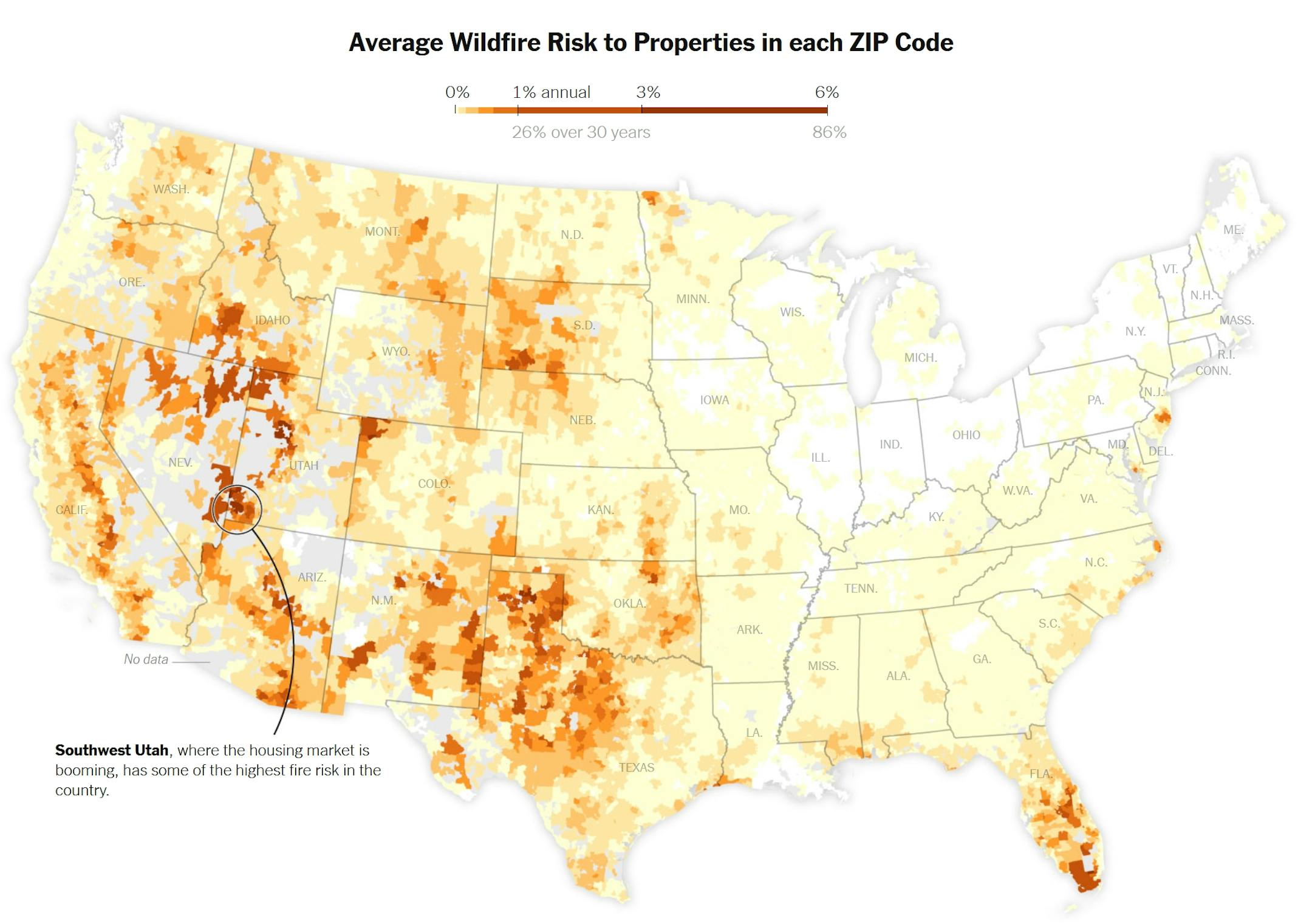
(The Minnesota Star Tribune)
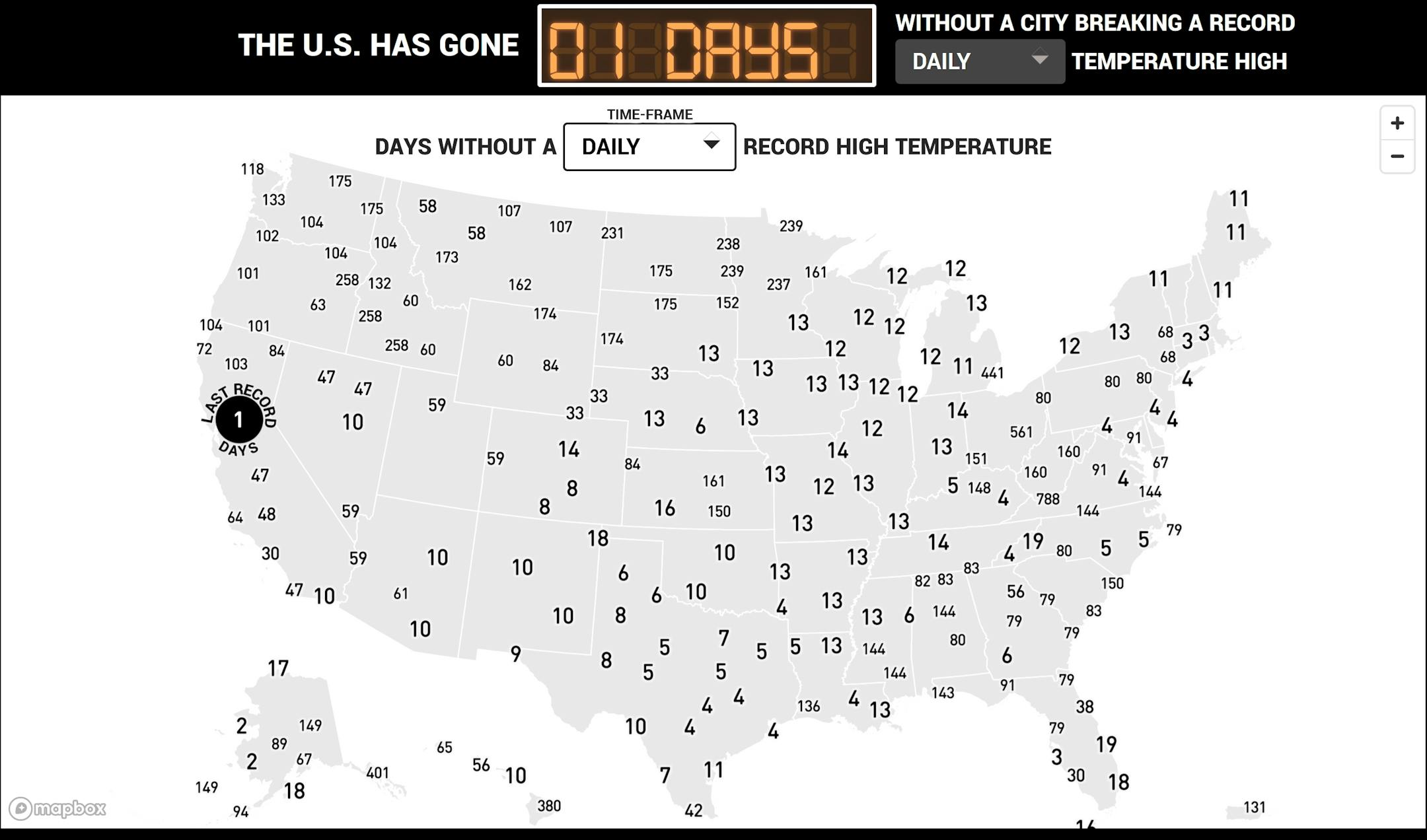
Record High Temperatures are Preventable. Check out the interactive map at pudding.cool: "...This project juxtoposes heat records with accident safety signage often displayed in factories. These "scoreboards" draw attention to injuries and build morale around safety by highlighting "days since last injury." This map depicts temperature records in a similar design aesthetic: temperature records might seem "unprecedented," but in reality occur nearly every few weeks. Specifically, "daily high" records show that never-before-seen warm days are occurring year-round, not just in the heat of the summer months. Or as Probable Futures reports, "Since the big change isn't the amount of energy coming in from the sun, summers are only slightly warmer, while spring, fall, and especially winter are much warmer. It's less that the Arctic is getting hotter and more that it is losing its cold..."
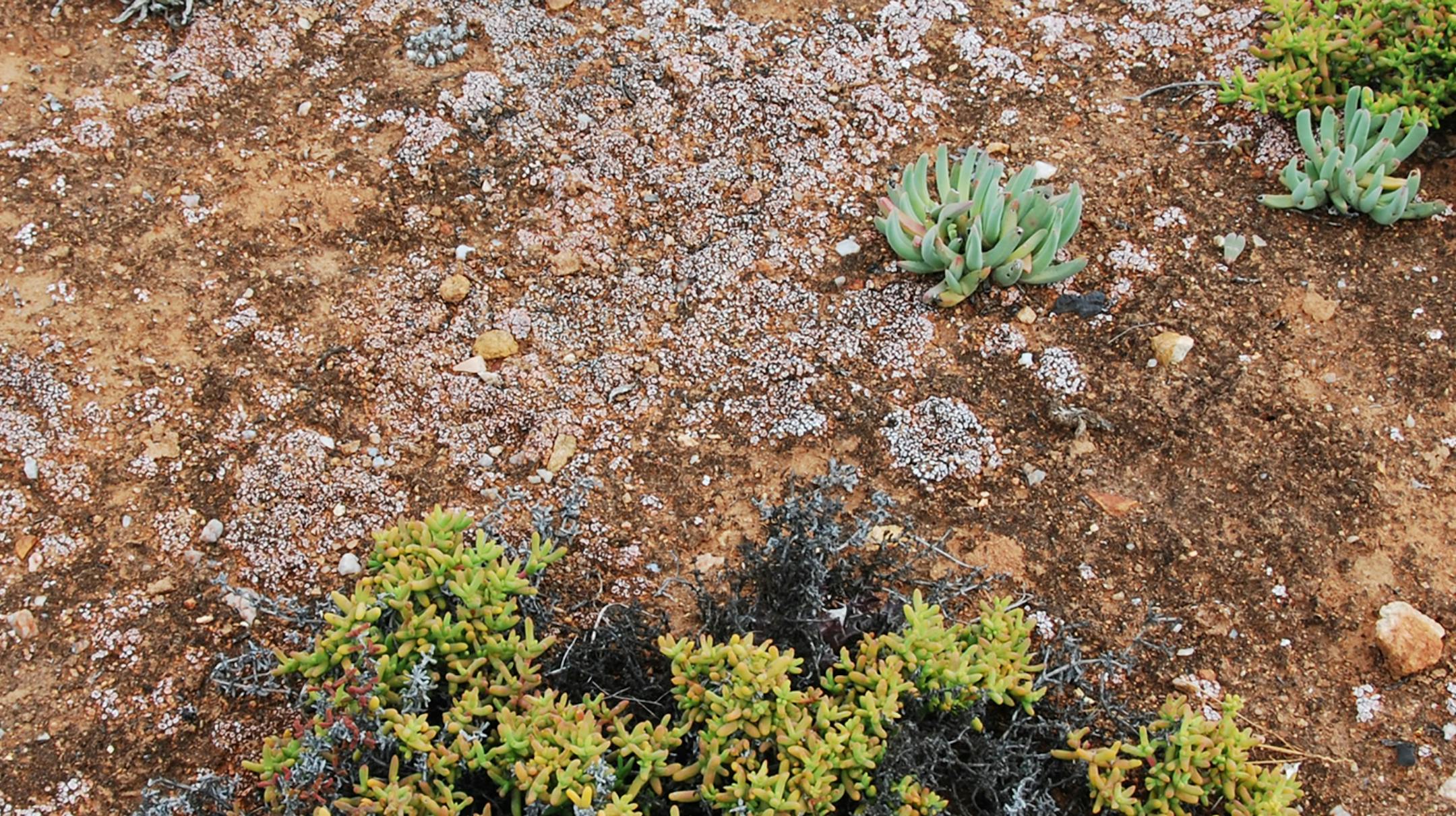
Lichens (whitish-pink) and cyanobacteria (dark brown to blackish) form biological soil crusts that carpet the ground between succulent plants and shrubs in the Succulent Karoo ecoregion in South Africa. (Bettina Weber/The Minnesota Star Tribune)
Biocrusts Reduce Global Dust Emissions by 60 Percent. Science News reports: "In the unceasing battle against dust, humans possess a deep arsenal of weaponry, from microfiber cloths to feather dusters to vacuum cleaners. But new research suggests that none of that technology can compare to nature's secret weapon — biological soil crusts. These biocrusts are thin, cohesive layers of soil, glued together by dirt-dwelling organisms, that often carpet arid landscapes. Though innocuous, researchers now estimate that these rough soil skins prevent around 700 teragrams (30,000 times the mass of the Statue of Liberty) of dust from wafting into the air each year, reducing global dust emissions by a staggering 60 percent. Unless steps are taken to preserve and restore biocrusts, which are threatened by climate change and shifts in land use, the future will be much dustier, ecologist Bettina Weber and colleagues report online May 16 in Nature Geoscience..."
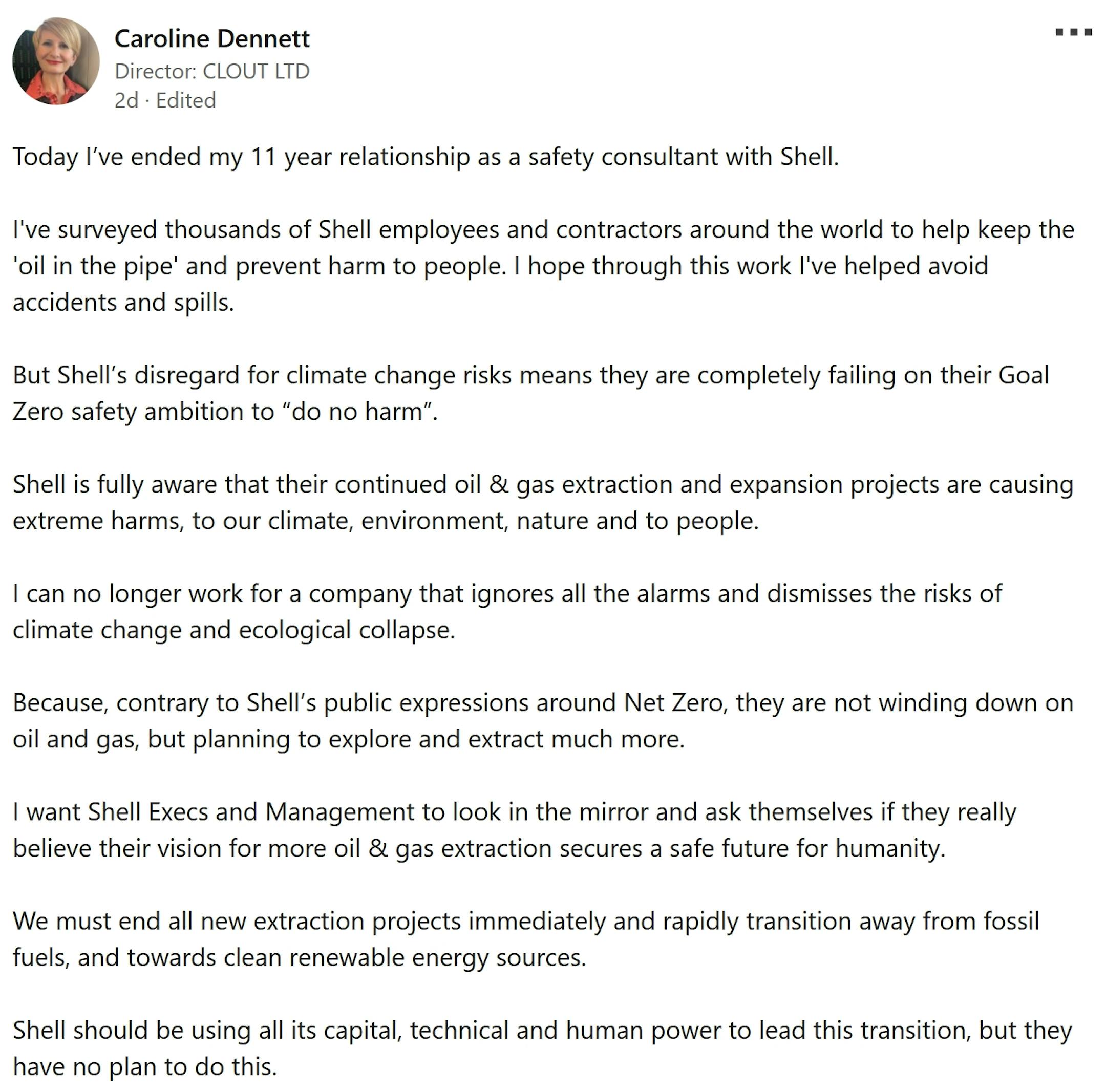
(The Minnesota Star Tribune)
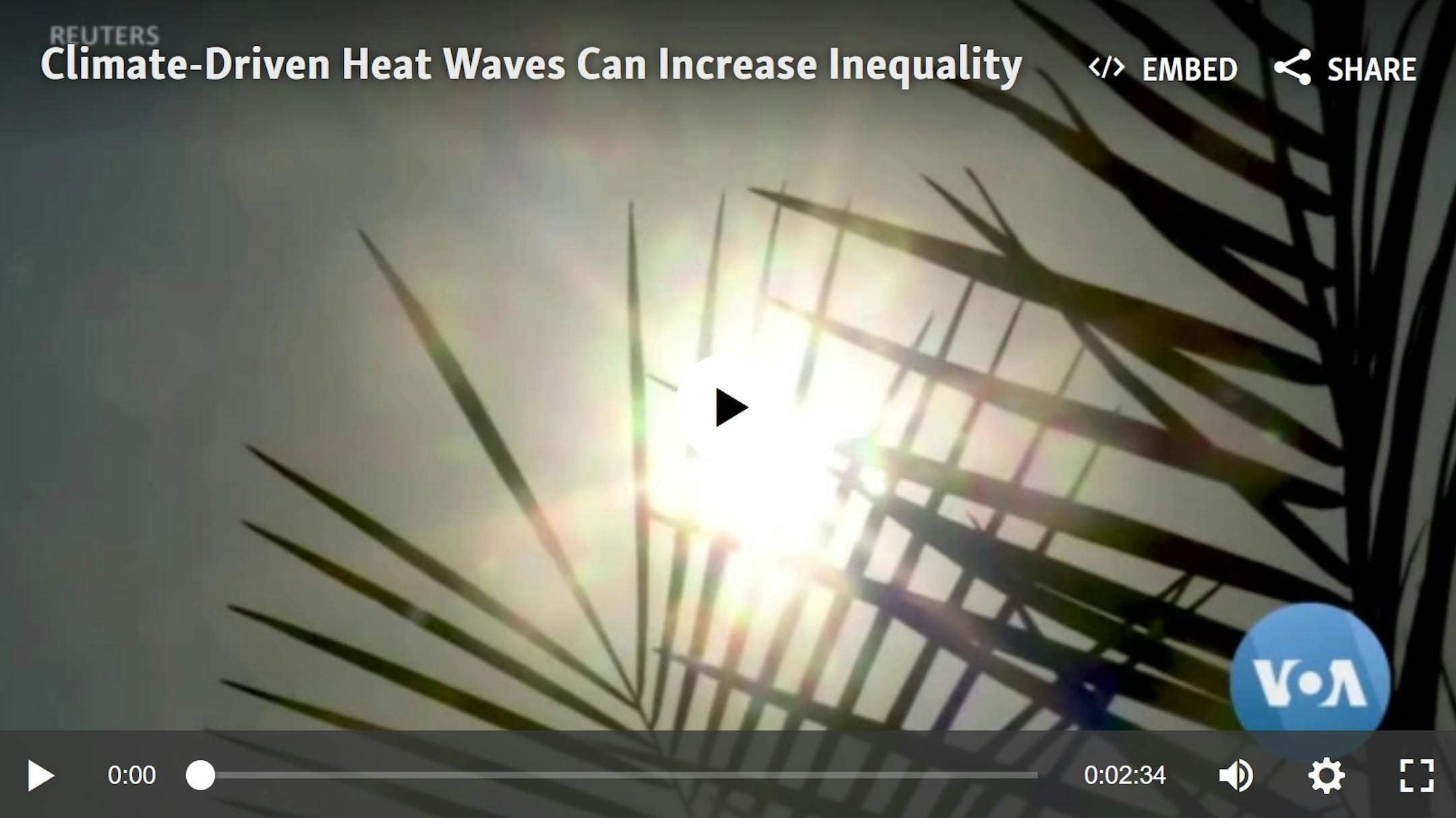
Five Ways Climate Change is Making Poor People Poorer. Voice of America lists the growing concerns: "Heat waves like the ones roasting South Asia this year don't just sap people's strength. They drain people's finances in ways that are not always obvious. It's one of the ways climate change is weighing on the economy and making poor people poorer. "These effects are global, they are pronounced, and they are persistent," said Teevrat Garg, an economist at the University of California-San Diego's School of Global Policy and Strategy. South Asia is especially vulnerable to the impacts of climate change-driven heat waves. But temperature extremes are becoming more common worldwide as the planet warms..."
(https://corporate.exxonmobil.com//The Minnesota Star Tribune)
Exxon Must Face Massachusetts Climate Change Lawsuit, Court Rules. Reuters reports: "Massachusetts' high court on Tuesday unanimously rejected Exxon Mobil Corp's bid to dismiss a lawsuit by the state's attorney general accusing the oil company of misleading consumers and investors about climate change and the dangers of using fossil fuels. The Massachusetts Supreme Judicial Court said Attorney General Maura Healey could pursue what Exxon called a politically-motivated case that it claimed violated a state law protecting defendants from lawsuits designed to silence them. Justice Scott Kafker, , said the statute protecting against strategic lawsuits against public participation only applied to private lawsuits, not government enforcement actions..."
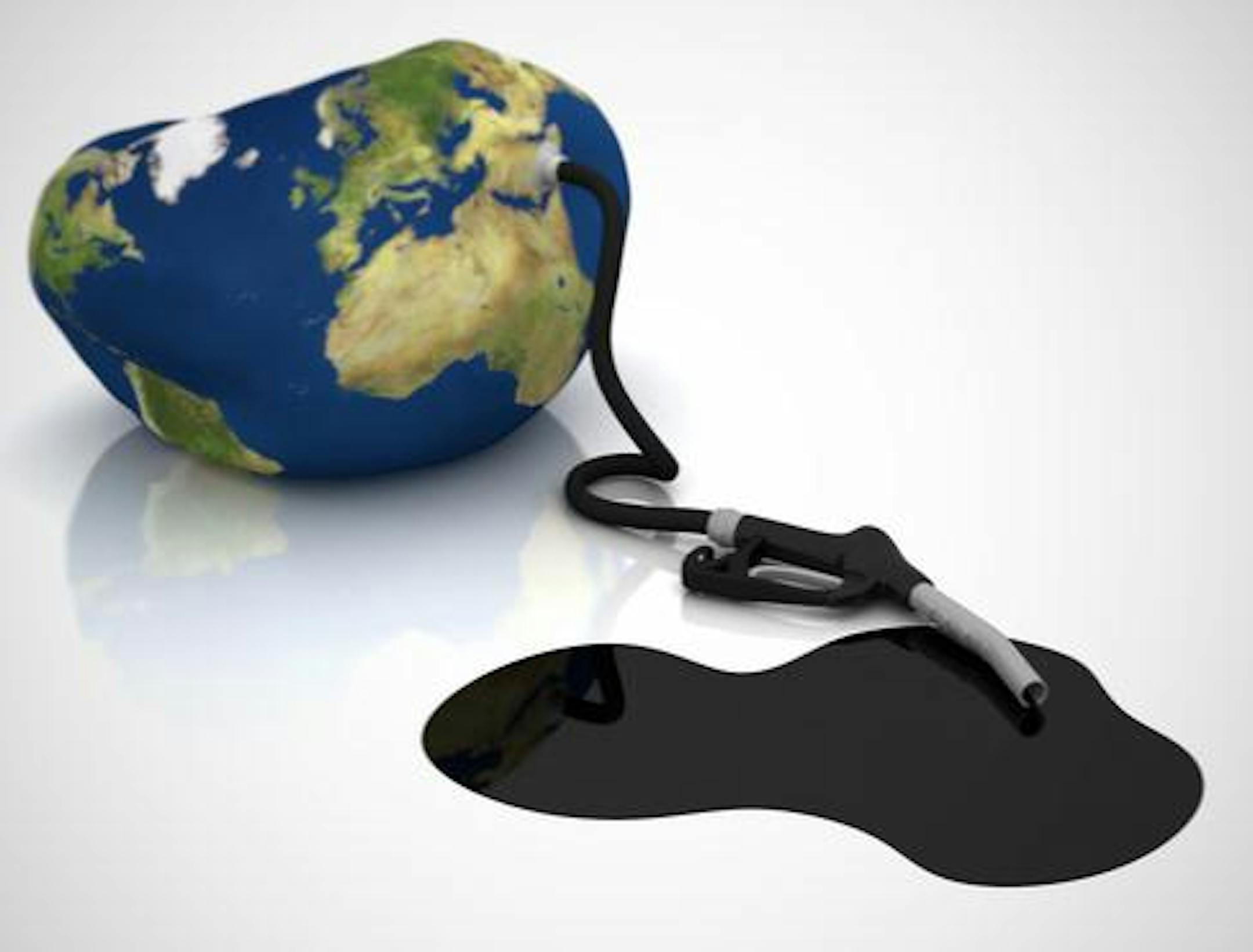
(Clean Technica/The Minnesota Star Tribune)
'Exxon Knew' Lawsuit Will Move Forward In Mass. Headlines and links courtesy of Climate Nexus: "Massachusetts' lawsuit to hold ExxonMobil accountable for lying to the public about its role in causing climate change will go forward, the commonwealth's Supreme Judicial Court ruled Tuesday, rejecting Exxon's motion to dismiss the case. The suit, brought in 2019, alleges Exxon's effort to deceive consumers was "reminiscent of the tobacco industry's long denial campaign about the dangerous effects of cigarettes" as it engaged in a "sophisticated, multi-million dollar campaign" to obfuscate and downplay how its fossil fuels cause climate change, which Exxon scientists knew as early as the 1970s. The Massachusetts lawsuit has progressed the farthest of the dozens of similar actions brought by states and municipalities across the country. On Monday, a federal appeals court ruled in Rhode Island's favor to allow its suit against ExxonMobil and others to move forward in state courts. "Four circuit courts in a row have now handed major defeats to big oil companies in these cases," Center for Climate Integrity President Richard Wiles told the Guardian, "rejecting the industry's efforts to escape accountability." (Boston Globe $, AP, The Guardian, Reuters, Politico Pro $; Rhode Island: Reuters, Law 360 $, Bloomberg Law $)
How the Fossil Fuel Industry Took Advantage of the Ukraine War. The Intercept has the post; here's an excerpt: "...For the record, about 25 percent of fossil fuel drilling happens on public lands; the rest is entirely controlled by private companies. The fossil fuel industry is sitting on at least a decade's worth of unused leases, so it's unlikely that a lack of new leases has impacted current production or supply. The Keystone XL pipeline was intended to transport tar sands oil from Canada to export terminals in the Gulf of Mexico, where two-thirds of it was earmarked for non-U.S. customers. It was nowhere near functional when it was canceled: About 8 percent of the pipeline had been built, and TC Energy, the company behind the project, still needed to find $6.9 billion of the $8 billion construction cost to finish it. As for the Arctic National Wildlife Refuge, the holy grail for U.S. oil companies, it has been off-limits to oil drilling since 1977. For a brief moment in 2017, the Trump administration reversed that, but no major oil companies — no API members — even bid on leases..."