I knew the Minneapolis mayoral race had taken a strange turn a day or two after the candidate filing period ended and I was greeted by one of my favorite deli workers at the Lake St. Lund's.
"I did it!" an exuberant Neal Baxter told me. "I filed for mayor!"
I knew Baxter to be a well-informed, civic-minded sort. But his political ambition was news to me. What he said next was more revealing: "It was only $20, so I figured, why not?"
I made a quick mental note: Got to call for a higher filing fee in city elections.
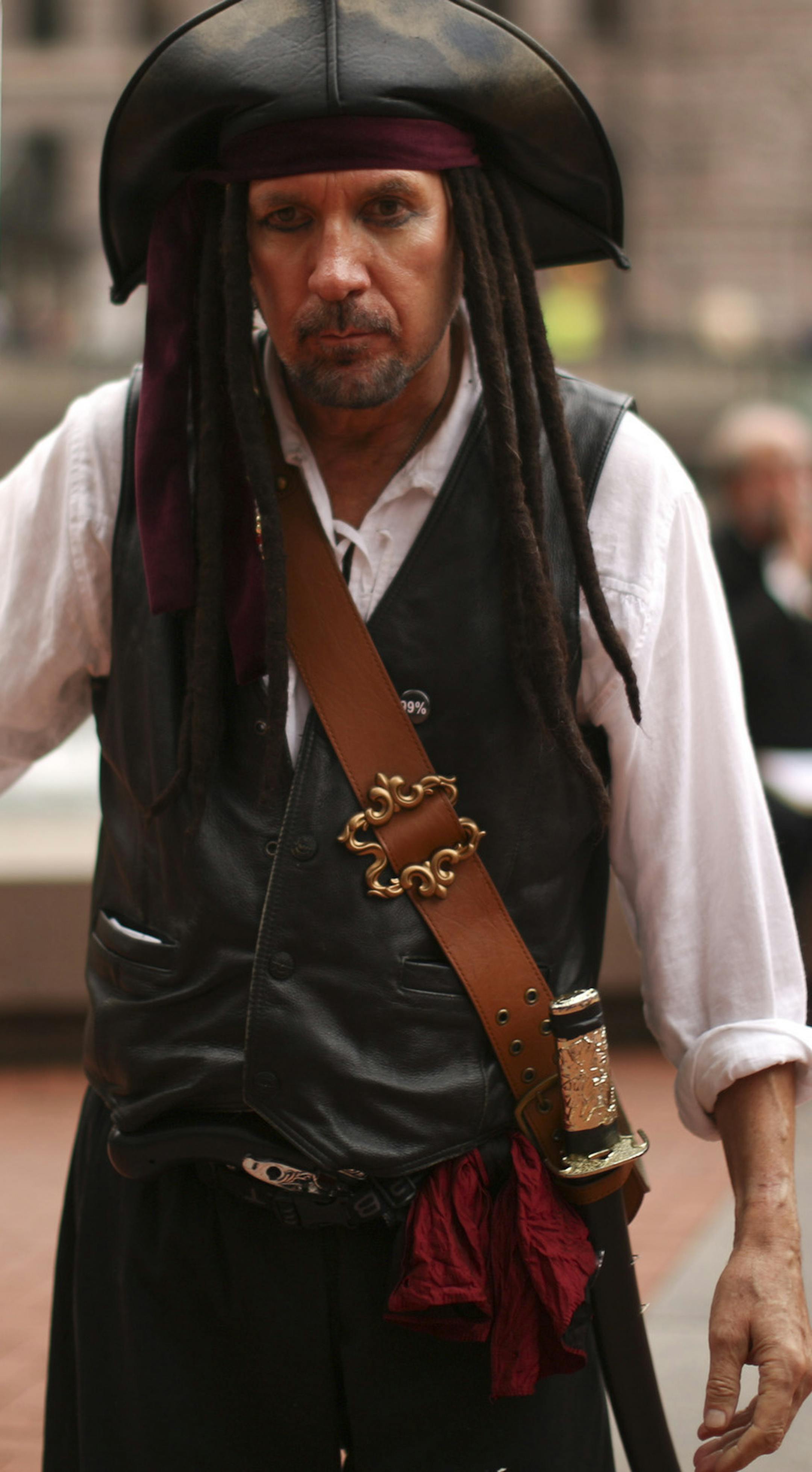
"What name did you file under?" I thought to ask. "Are you Captain Jack Sparrow?"
No, Baxter assured. He's on the ballot under his own name. And he has a sincere four-point platform, including a call for a lively celebration of the sesquicentennial of the city's 1867 incorporation: "The state's 150th birthday was a complete dud, as very little money was earmarked for it. We can do better." (A note to file away for 2017.)
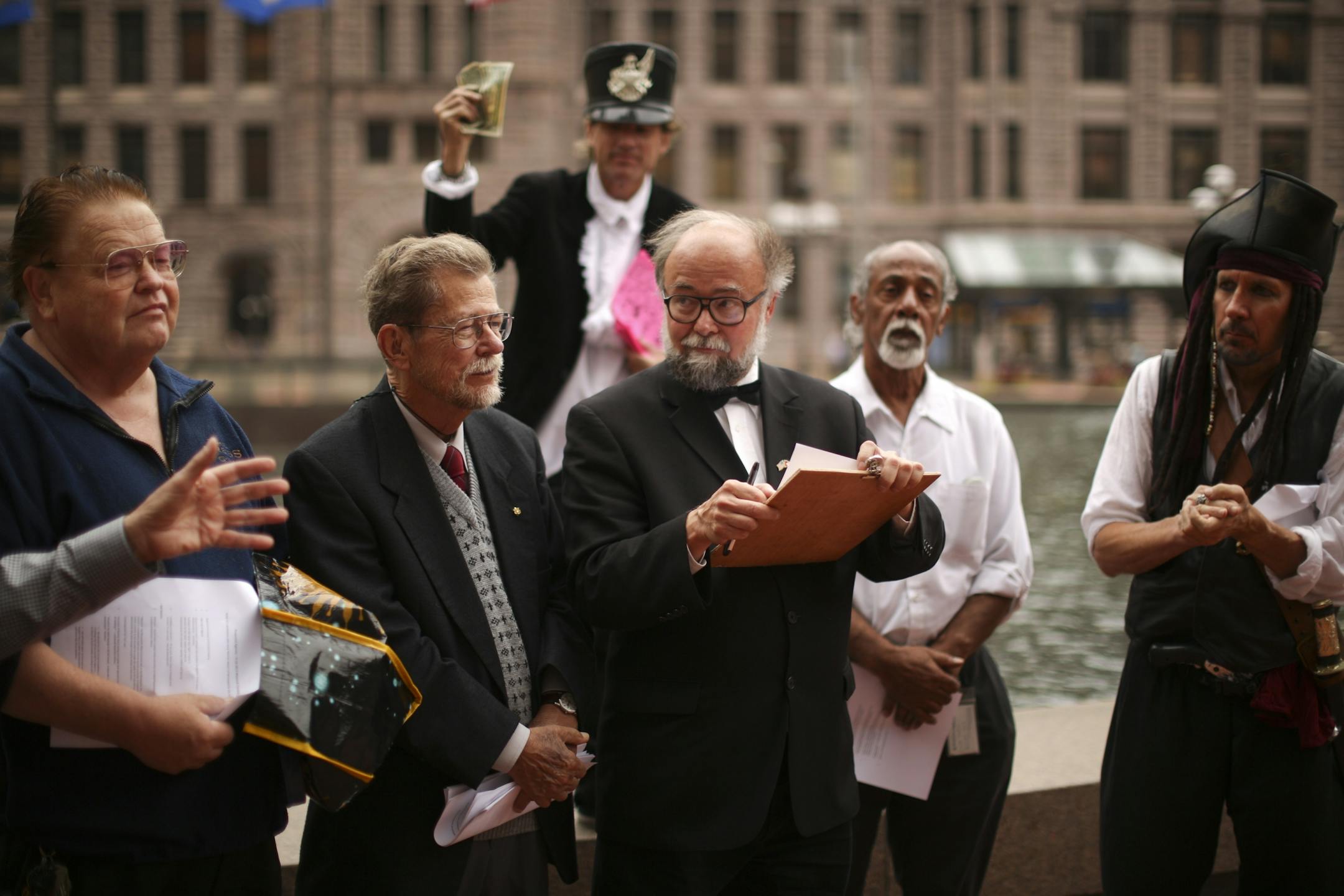
The same cannot be said for all of the 34 others contending to be elected Mill City CEO on Nov. 5. They include a dozen or two political hobbyists, one Occupirate and a guy nicknamed "The Rock." Maybe that's not a bad ballot handle. After all, Minnesotans elected a governor 15 years ago who billed himself as "The Body."
I've been party to a lot of chats with Minneapolis voters since that deli encounter. The initial amusement I heard about the surfeit of city candidates has given way to worry and grousing. The worry is that the winner will be ill-suited to leadership in a growing-again city and region. The grousing is about the new election scheme that many people hold responsible for the deluge of candidates — ranked-choice voting.