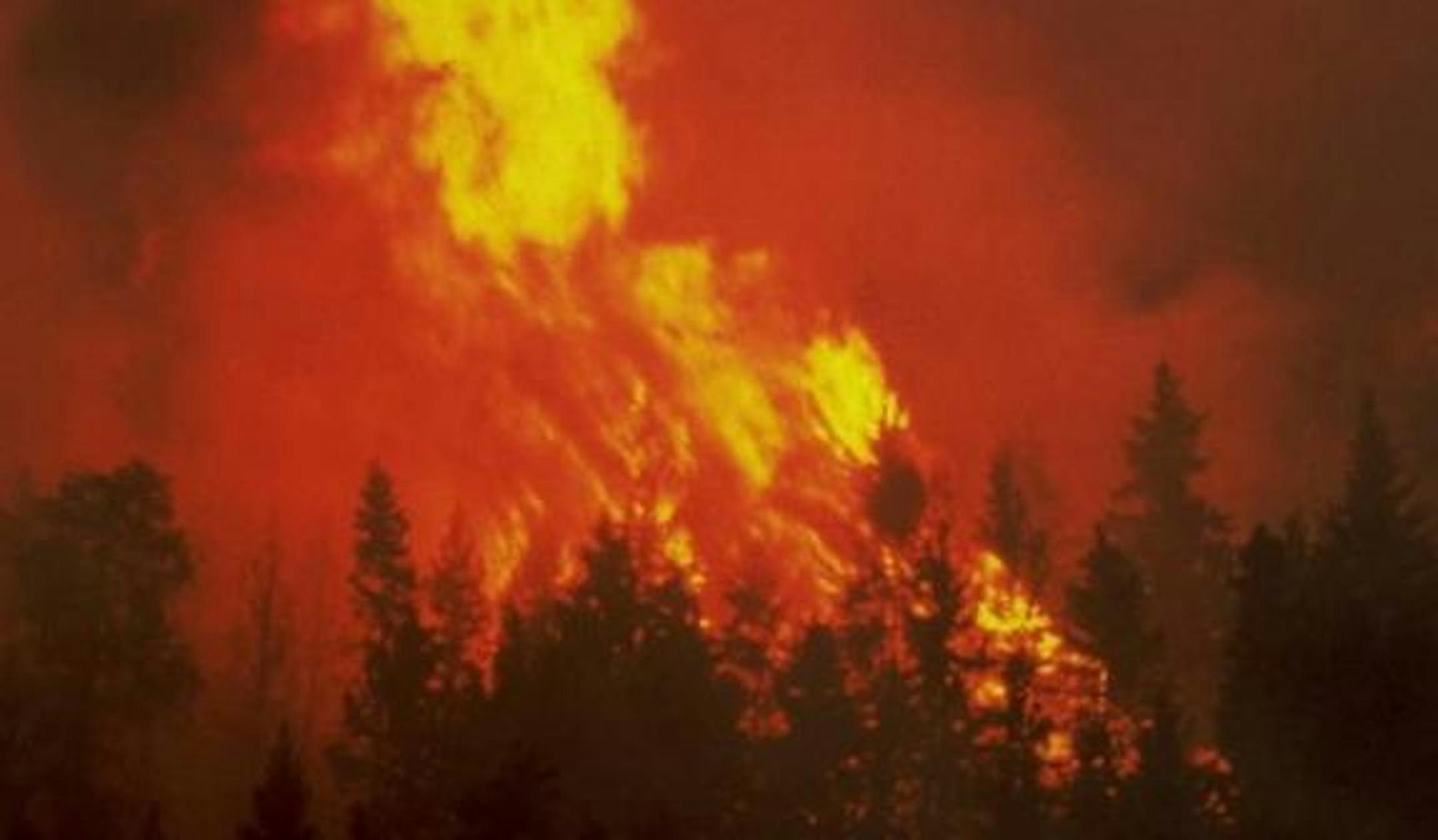
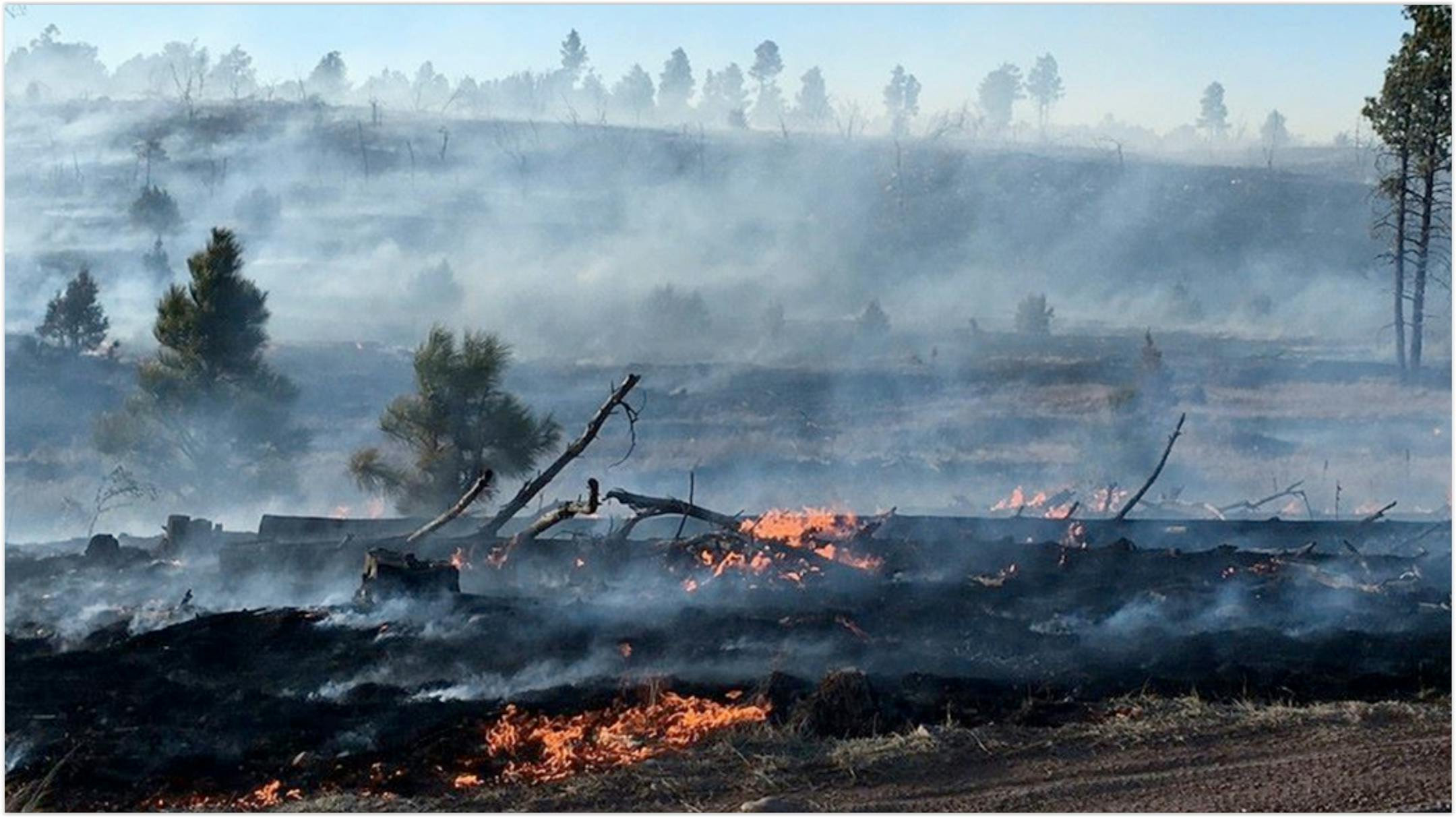
(Illustration: Guardian Design/The Minnesota Star Tribune)
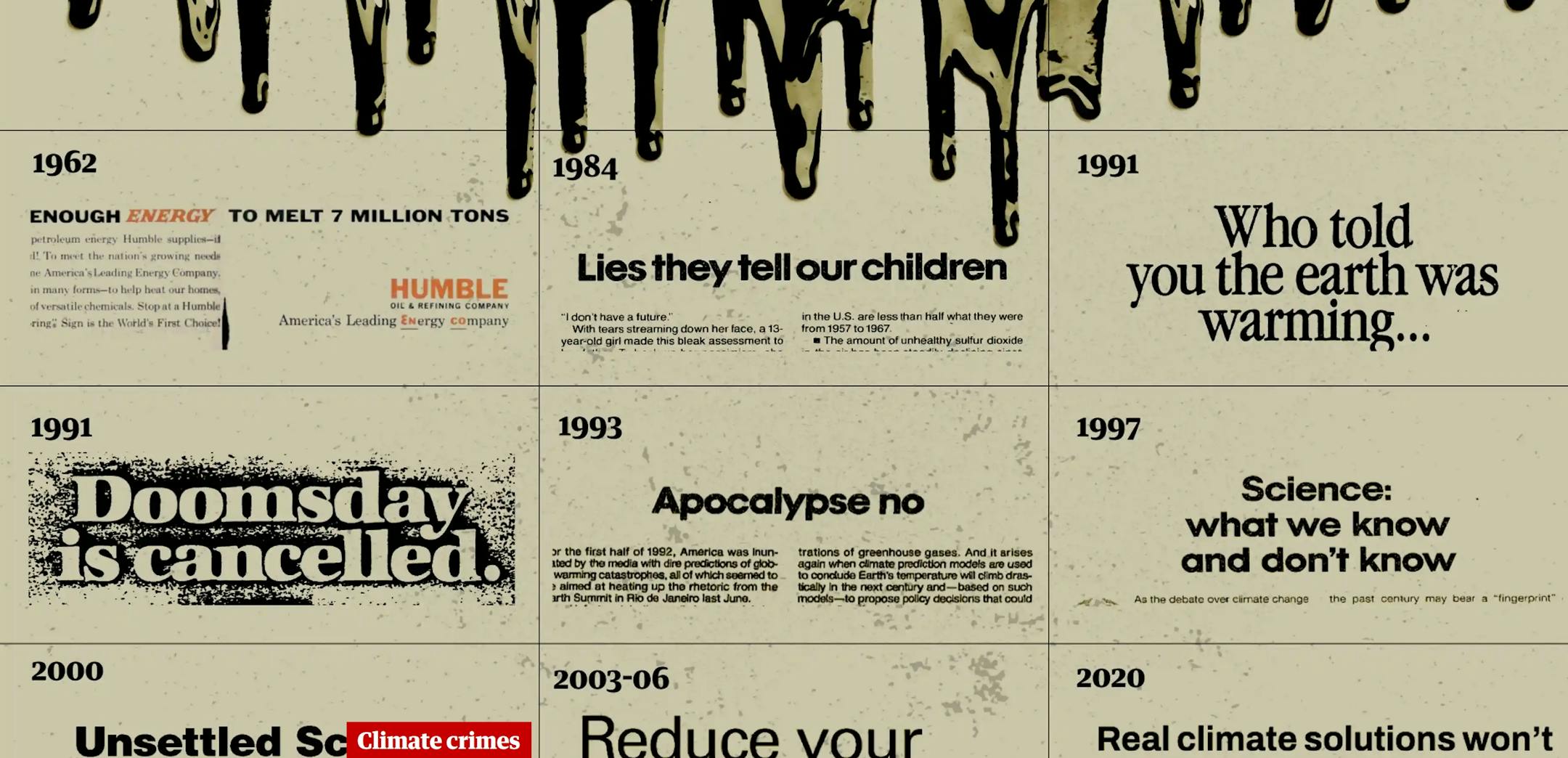
The Forgotten Oil Ads That Told Us Climate Change Was Nothing. Upton Sinclair said it best: "It has difficult to get a man to understand something when his salary depends on his not understanding it". The Guardian has details on the ongoing misinformation campaign: "Why is meaningful action to avert the climate crisis proving so difficult? It is, at least in part, because of ads. The fossil fuel industry has perpetrated a multi-decade, multibillion dollar disinformation, propaganda and lobbying campaign to delay climate action by confusing the public and policymakers about the climate crisis and its solutions. This has involved a remarkable array of advertisements – with headlines ranging from "Lies they tell our children" to "Oil pumps life" – seeking to convince the public that the climate crisis is not real, not human-made, not serious and not solvable. The campaign continues to this day. As recently as last month, six big oil CEOs were summoned to US Congress to answer for the industry's history of discrediting climate science – yet they lied under oath about it. In other words, the fossil fuel industry is now misleading the public about its history of misleading the public..."
Wall Street Journal Graphic (Source: American Society of Civil Engineers/The Minnesota Star Tribune)
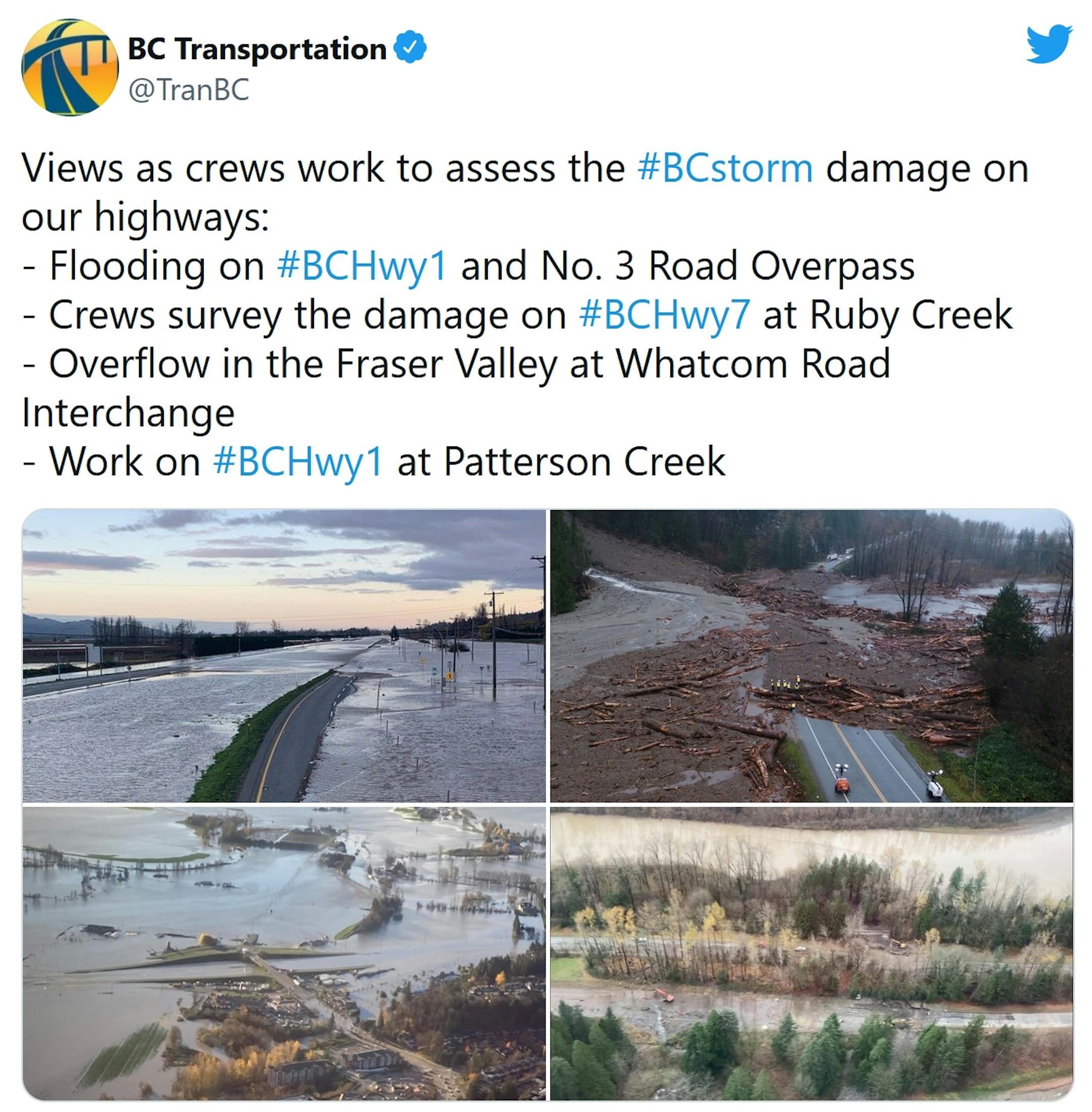
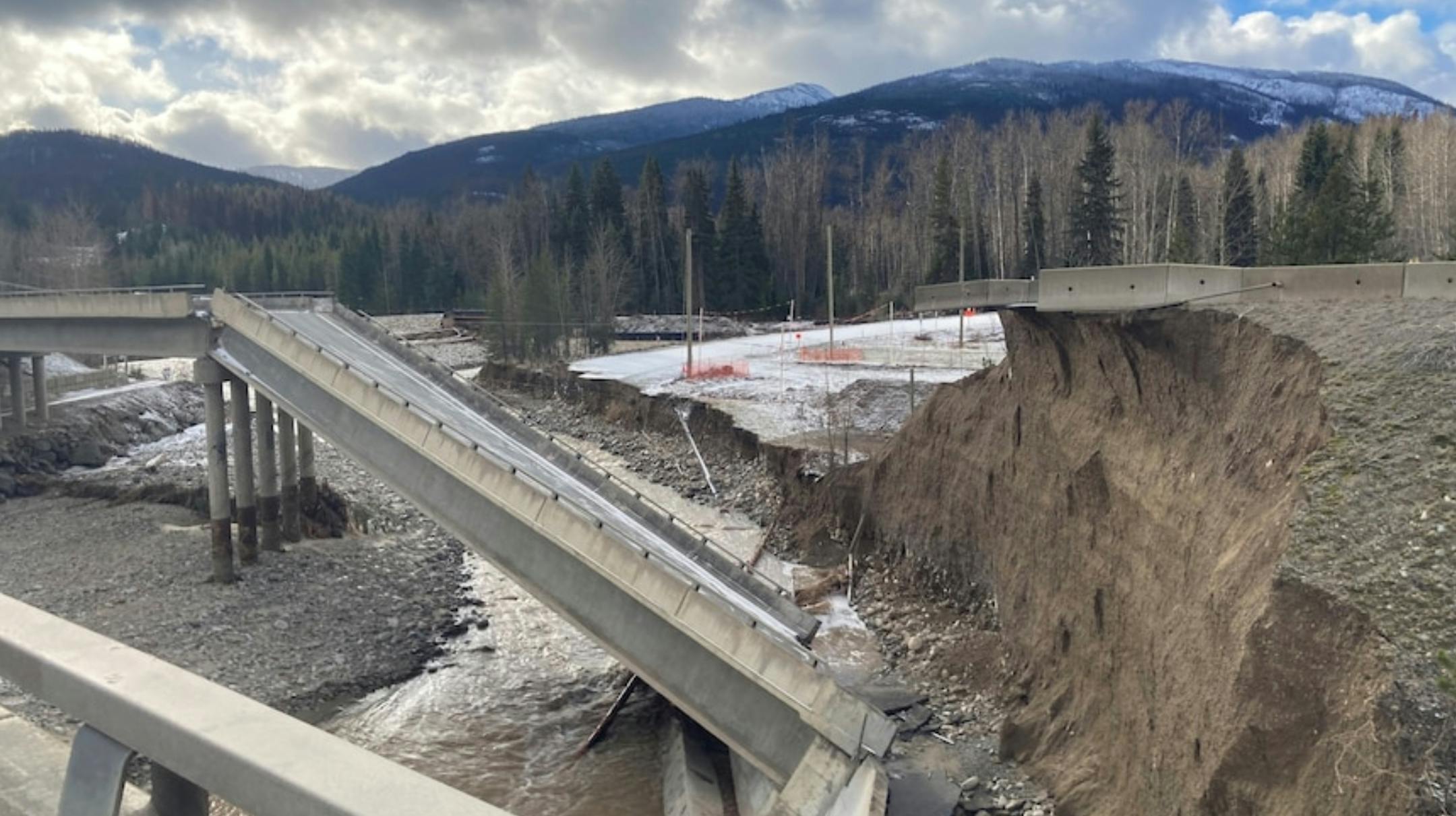
America's Infrastructure Struggles With The New Weather Forecast. It's naturally-occurring extreme weather events amplified, juiced, by a warmer/wetter climate. Here's a clip from The Wall Street Journal (paywall): "...American cities have been battered by severe weather for generations, but recently many have had to contend with more extreme events, including some they have little experience with, local government officials said. Compounding the problem: infrastructure that has deteriorated in many places, leaving cities with weakened dams, aging pipes and strained electrical grids. "Our cities and infrastructure…are not appropriate for the current situation," said Klaus Jacob, a geophysicist at Columbia University's Earth Institute who developed a climate-change adaptation plan for the New York subway system, adding that harsher weather is here to stay. Some local governments are pursuing projects to guard a range of infrastructure, including power lines, roads and water systems, against increasing climate threats. New York City is investing more than $20 billion in adaptation efforts to address storm surge, tidal flooding, heavy rainfall and extreme heat..."
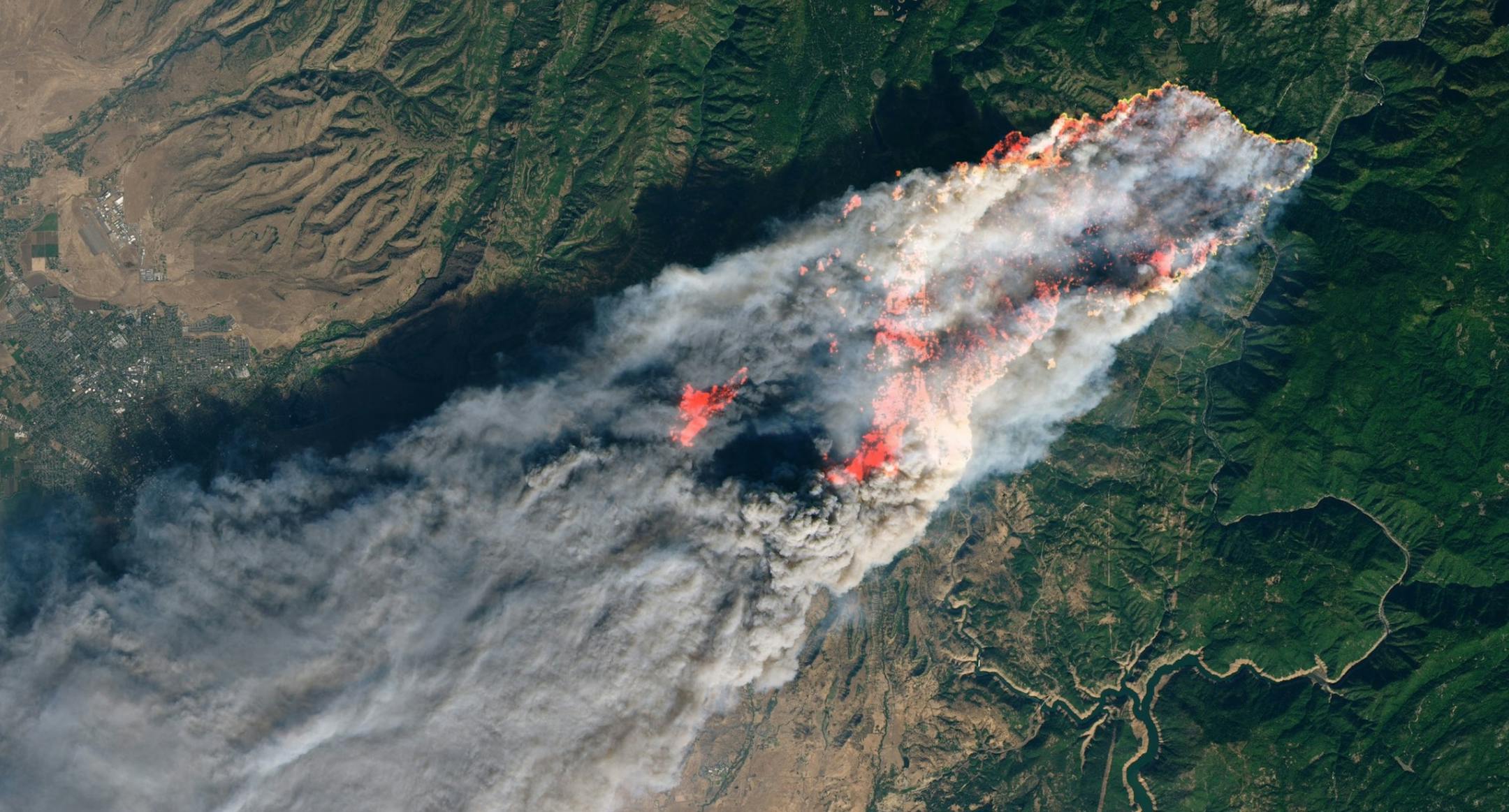
(NOAA/The Minnesota Star Tribune)
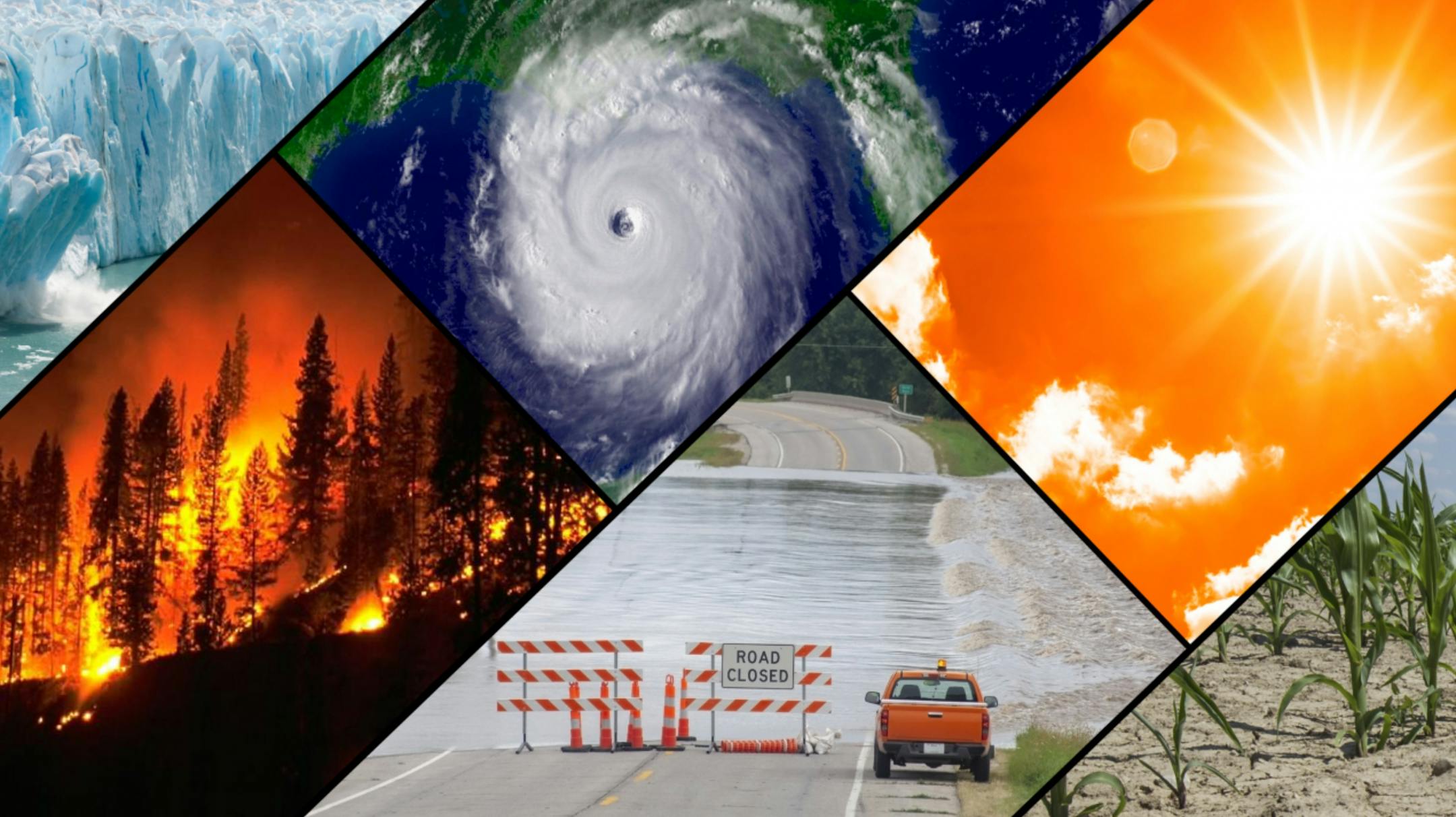
Biden's Infrastructure Bill Includes $50 Billion to Help Fight Climate Change Disasters. CNBC.com reports: "President Joe Biden on Monday signed a $1 trillion bipartisan infrastructure bill that includes historic funding to protect the country against the detrimental affects of human-caused climate change. The infrastructure bill designates $50 billion for climate resilience and weatherization, as more frequent and severe droughts, heat waves, floods and wildfires ravage the the country. For instance, it allocates financial resources for communities that are recovering from or vulnerable to disasters, and increases funding for Federal Emergency Management Agency and Army Corps of Engineers programs that help reduce flood risk and damage. The National Oceanic and Atmospheric Administration will also receive additional funding for wildfire modelling and forecasting..."
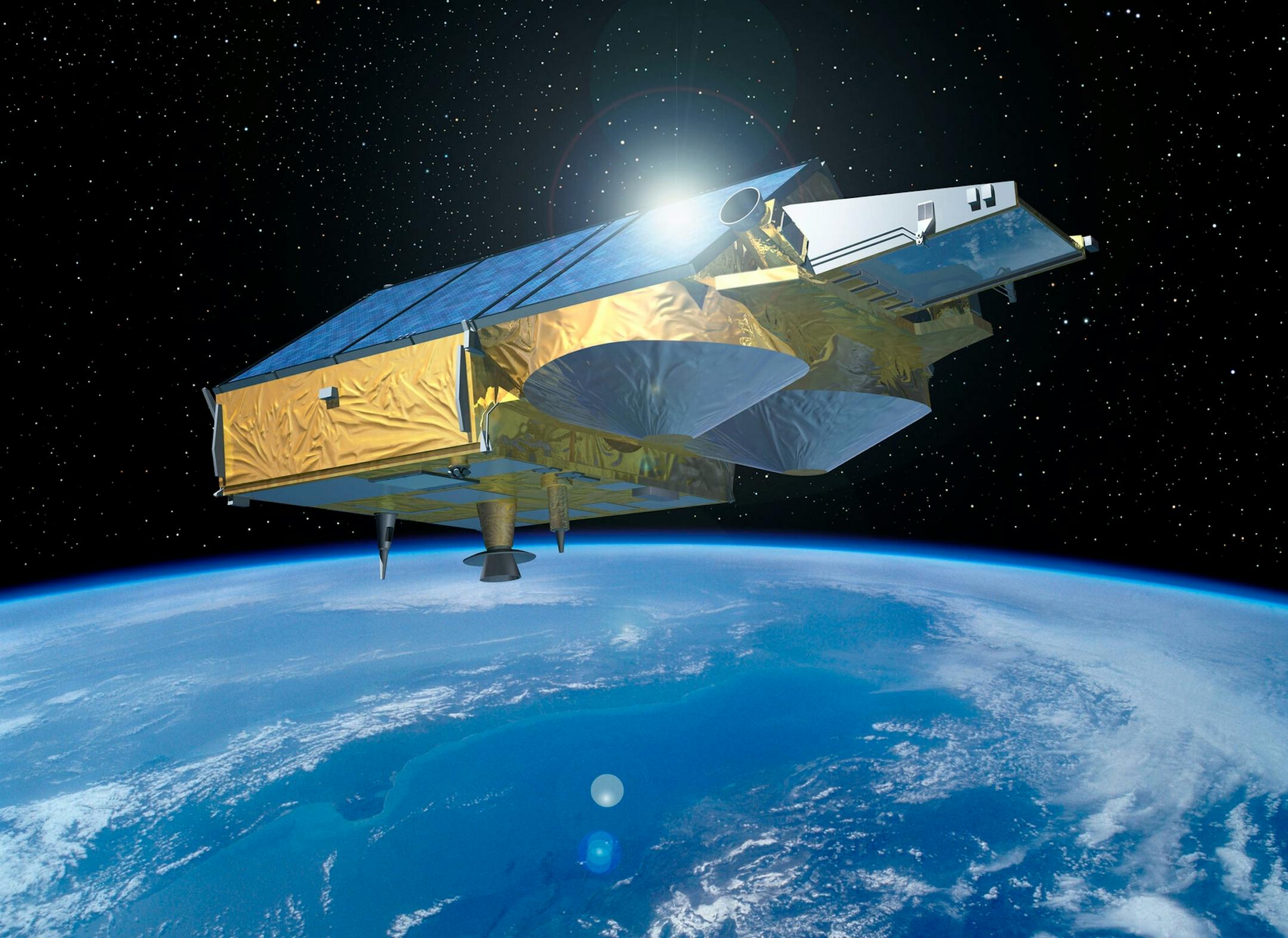
CryoSat (The European Space Agency/The Minnesota Star Tribune)
Satellite Monitoring of Greenland Ice Melting Highlights Increasing Global Flood Risk. SciTechDaily has an update; here's the intro: "Global warming has caused extreme ice melting events in Greenland to become more frequent and intense over the past 40 years, raising sea levels and flood risk worldwide, finds new research involving University College London (UCL) academics. Over the past decade alone, 3.5 trillion tonnes of ice has melted from Greenland's surface and flowed into the ocean — enough to cover the UK with around 15m of meltwater, or all of New York City with around 4500m. Published earlier this month in Nature Communications, the new study is the first to use satellite data to detect this phenomenon – known as ice sheet runoff – from space..."
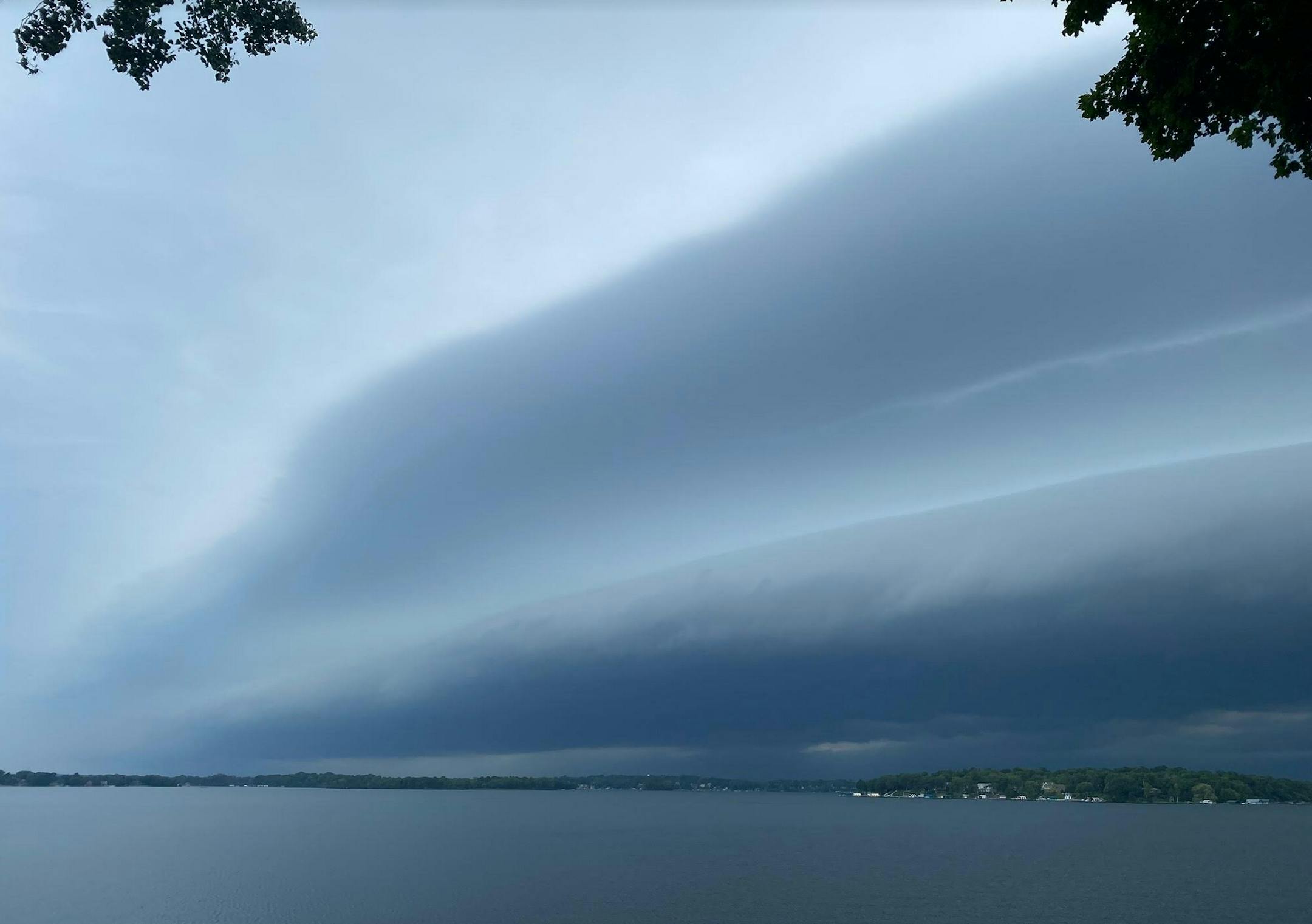
July 8, 2020 file image (Paul Douglas/The Minnesota Star Tribune)
High Impact Climate Events: Better Adaptation Through Earlier Prediction. A post at phys.org caught my eye; here's an excerpt: "...Traditional weather and climate forecasting rely predominantly on numerical models imitating atmospheric and oceanic processes. These models, while generally very useful, can't perfectly simulate all underlying processes—and phenomena like monsoon onsets, floods or droughts might be predicted too late. This is where network-based forecasting comes into play. Ludescher explains: "As opposed to looking at a huge number of local interactions, which represent physical processes like heat or humidity exchange, we look directly at the connectivity between different geographical locations, which can span continents or oceans. This connectivity is detected by measuring the similarity in the evolution of physical quantities like air temperatures at these locations. For instance, in the case of El Niño, a strong connectivity in the tropical Pacific tends to build up in the calendar year before the onset of the event..."
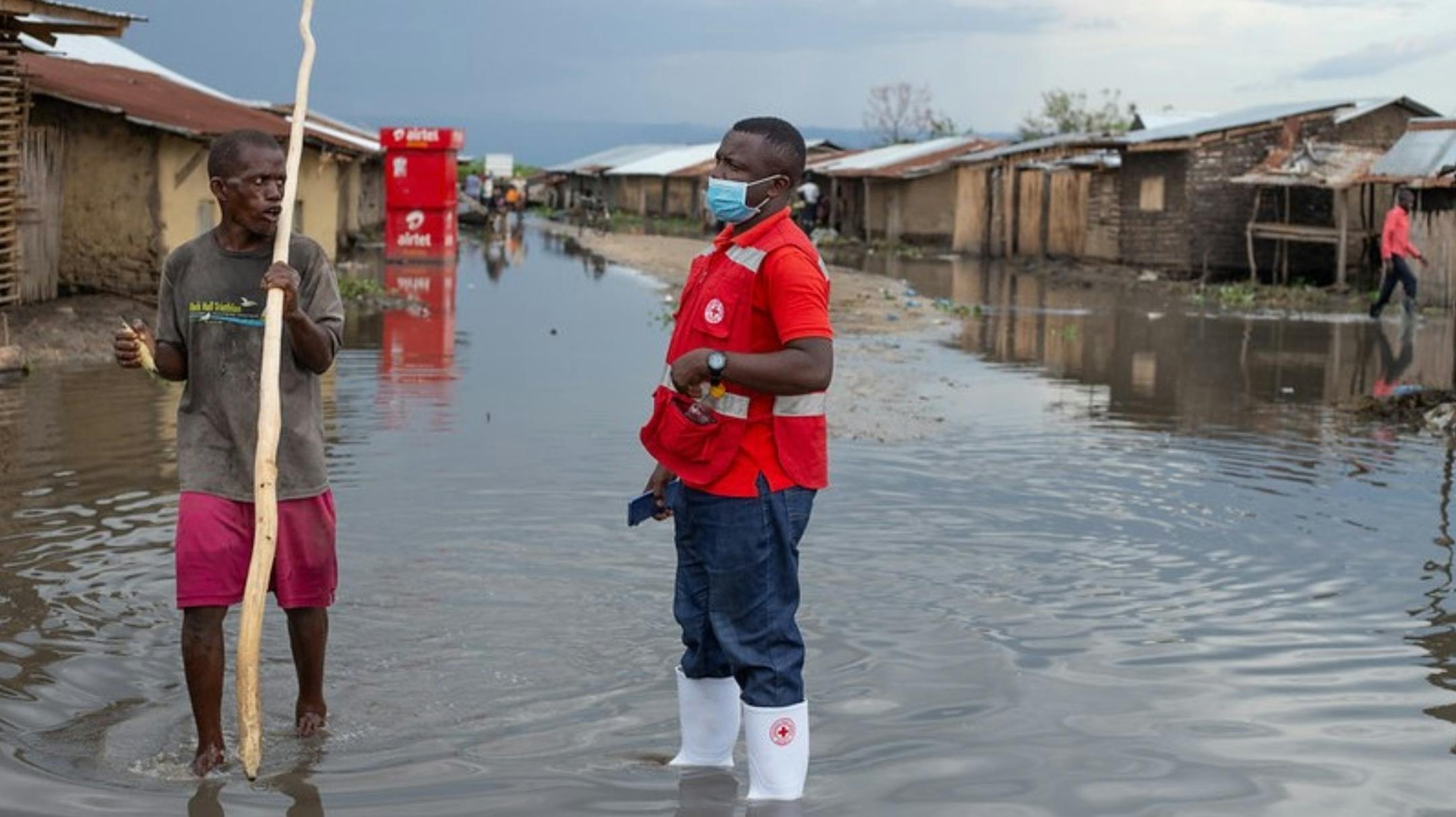
(Uganda Red Cross/The Minnesota Star Tribune)
Could Making Climate Change a Rights Issue Help Boost Action. Thomson Reuters Foundation poses the question: "There are no words for "climate change" in the language of the Turkana people in northern Kenya, something that prompted campaigner Ikal Angelei to take a different approach when she began her environmental activism more than a decade ago. Rather than framing climate change as a global environmental risk, Angelei explained how decreasing rainfall and parched riverbeds threatened local people's basic right to access water. "It really is the impact on people's lives and livelihood that allows them to interact with the term climate change," said Angelei, 41, co-founder of Friends of Lake Turkana, an environmental group in Kenya. From worsening droughts to rising sea levels, climate change is increasingly seen as a human rights risk and a growing number of climate litigation cases that invoke basic rights have been launched against governments and companies around the world. Legal experts said the shift in the narrative on global warming - to focus on the risks it poses to fundamental rights - had been crucial in forcing governments to acknowledge the need for action to protect their citizens..."