This blog post was written by Seattle home inspector Charles Buell and was originally posted on his website on 1/17/2020.
The UL 217 standard for home smoke alarms has not changed very much since it started in 1976. The most recent adjustment (and significant adjustment) to this standard was published in 2015 and again on January 2, 2020. All smoke alarms manufactured after June 1st, 2021 will be required to meet this standard. They will be more responsive to multiple types of fire scenarios and help reduce some of the shortcomings of current alarms.
While this post started out as an announcement of the adoption of the new standard and the availability of new life-saving technology, it turned out to be a bit more complicated as manufacturers seem to have dragged their feet in ways that have repeatedly put off implementation of the standard.
The move to improving the function of smoke alarms started with the 2015 UL 217, 8th Edition, but only one manufacturer has been approved under the new standard. There was also the problem of UL having to build a whole new facility to do the testing in. The new UL 217 is Edition 9 and may cause yet another push out of the effective date as manufacturers scramble to comply with Edition 9. Kidde's UL 217, 8th Edition approved model will now have to be retested to make sure it complies with Edition 9 that just came out.
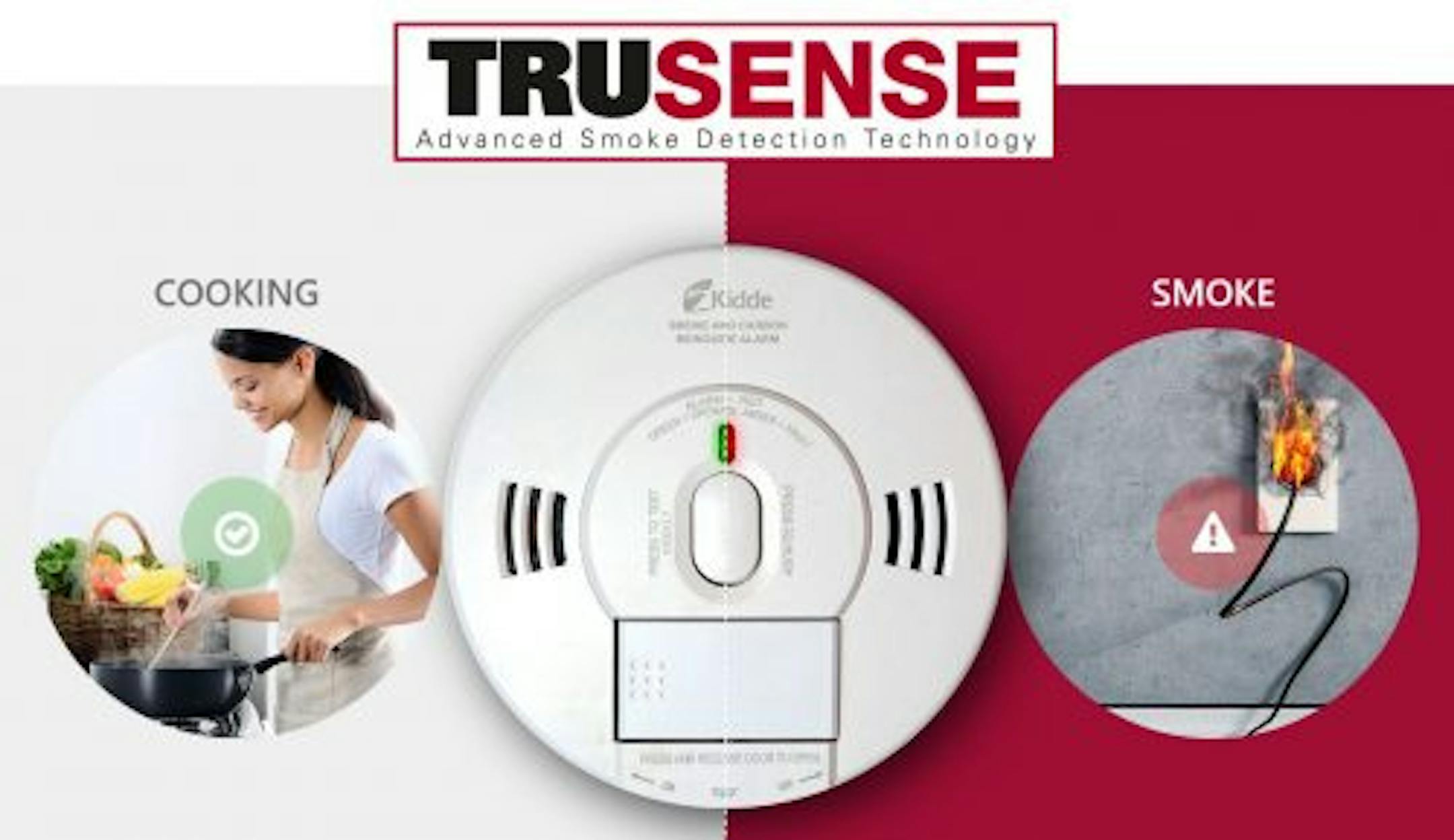
So what has the new standard made better?
Nuisance tripping related to cooking has been addressed, and they are now more sensitive to smoldering types of fires related to synthetic materials in modern homes.
The new technology will also allow for Combination Smoke/CO Alarms—something that was problematic with old technology alarms.
Does the confusion or apparent foot-dragging really matter?
Well of course it matters, and the fact that it is taking so long to get available technology in place is nothing but a shame.
For the home inspector, this amounts to quite a dilemma, because I am sure there will be builders installing the old technology alarms on May 28th, 2021. With a 10 year life, the house will not likely see the new technology until 2031. Considering the technology has been available since 2015, and some alarms that complied with this standard since 2019, that amounts to several years of preventable deaths.