

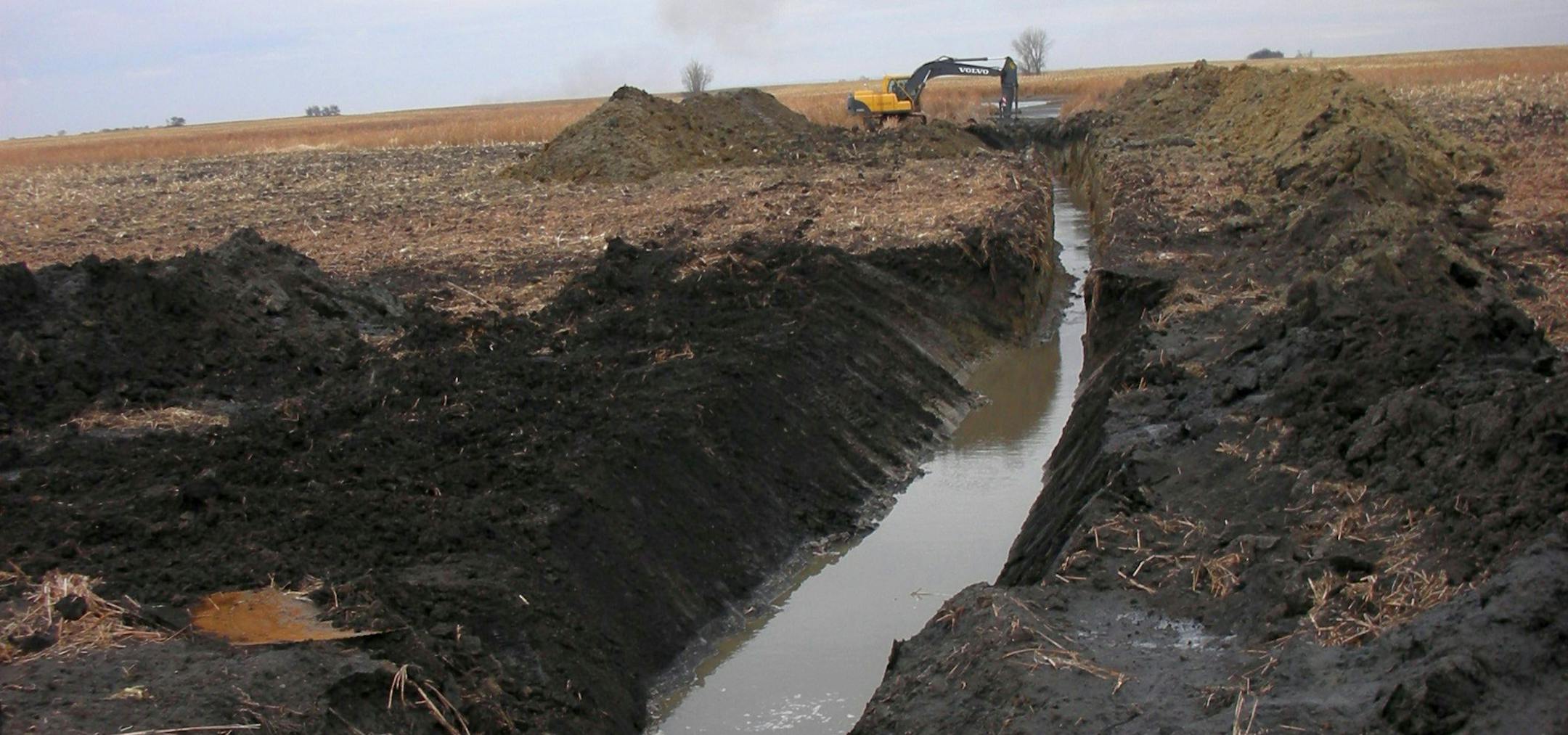
Optimism flickers among conservationists that the massive conversion of grasslands and wetlands to row crops in recent years — and the subsequent loss of wildlife habitat — might be slowed or stemmed by a Farm Bill now being considered in Congress.
Additionally, the first general sign-up in a year for the federal Conservation Reserve Program, which pays landowners to idle sensitive lands, begins Monday, boosting conservationists' hopes.
But the reality is this: Hunters and wildlife lovers in the Upper Midwest might never again see the abundance of habitat they witnessed in the past decade. And the future, even of wildlife-rich states such as South Dakota and North Dakota, looks increasingly grim.
South Dakota's claim to be the "Pheasant Capital of the World" could ring hollow in the not-too-distant future.
"The long-term trends are very, very sobering," said Dave Nomsen, Pheasant Forever's vice president of governmental affairs, who has been intimately involved in the Farm Bill for decades. "We're turning the eastern Dakotas into northern Iowa every day. I've never seen anything like it in my lifetime."
A downward spiral
A recent study on the state of the prairie pothole region concluded: "All scientific papers and data we reviewed indicate conversion of grasslands and drainage of wetlands will continue ..."
That same study noted that the acreage planted to soybeans since 1970 increased by 2,000 percent in North Dakota and by 1,600 percent in South Dakota.
Sky-high corn and soybean prices — though now tempered — and escalating land values are driving the conversion.


