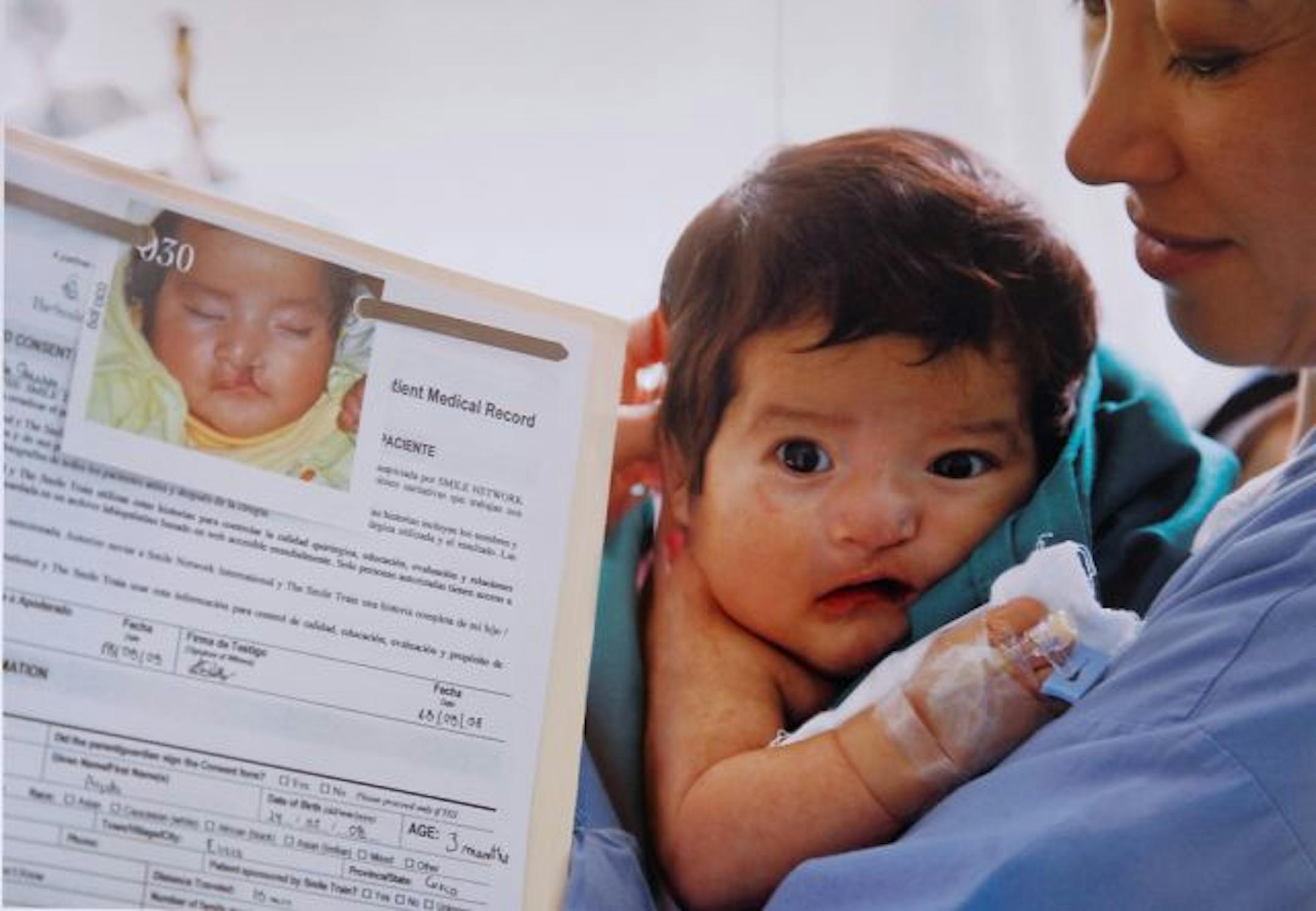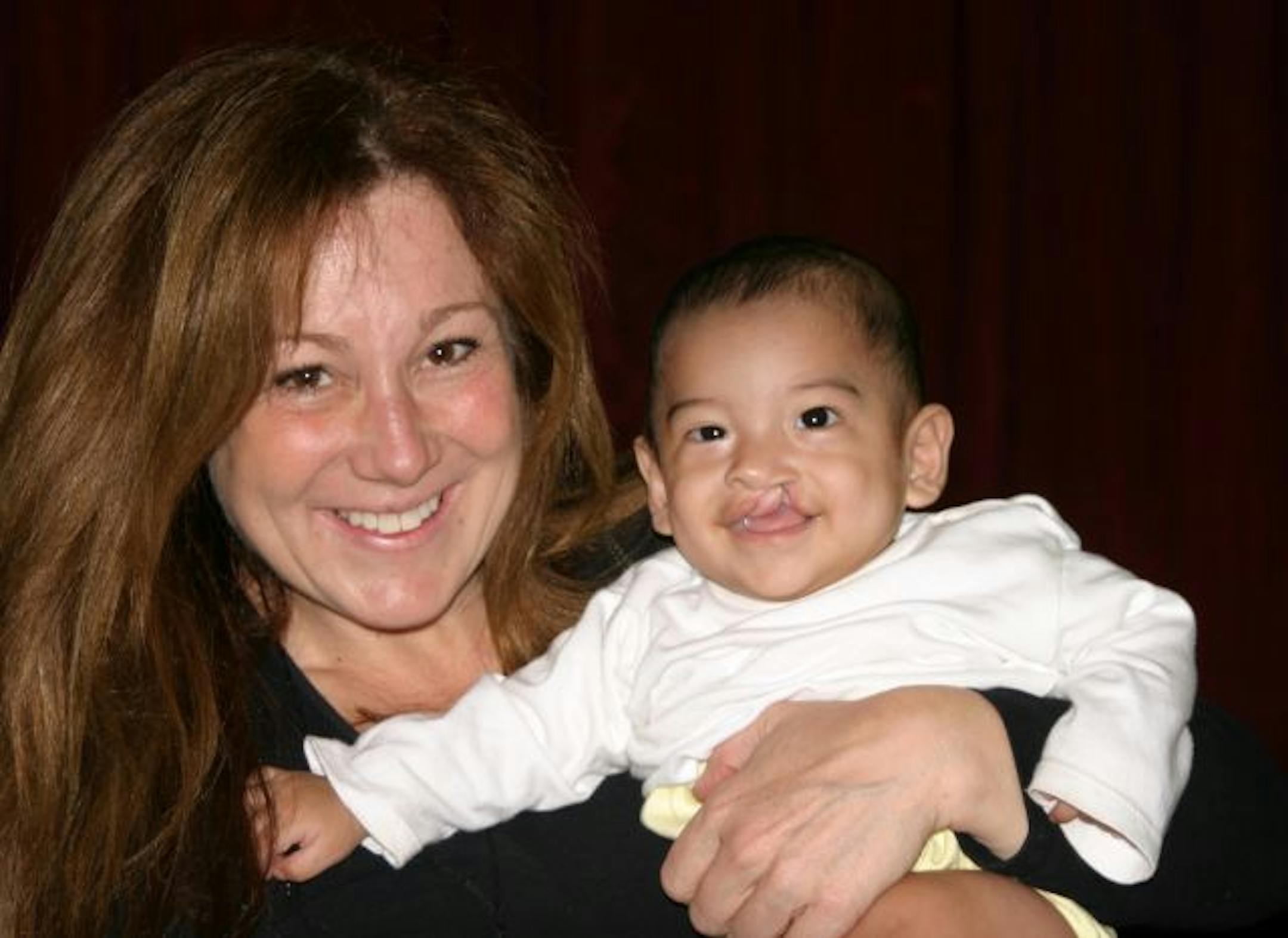
Kim Valentini has a gorgeous smile. Now she's made it her life's work to give the gift of a healthy grin to those born without one.
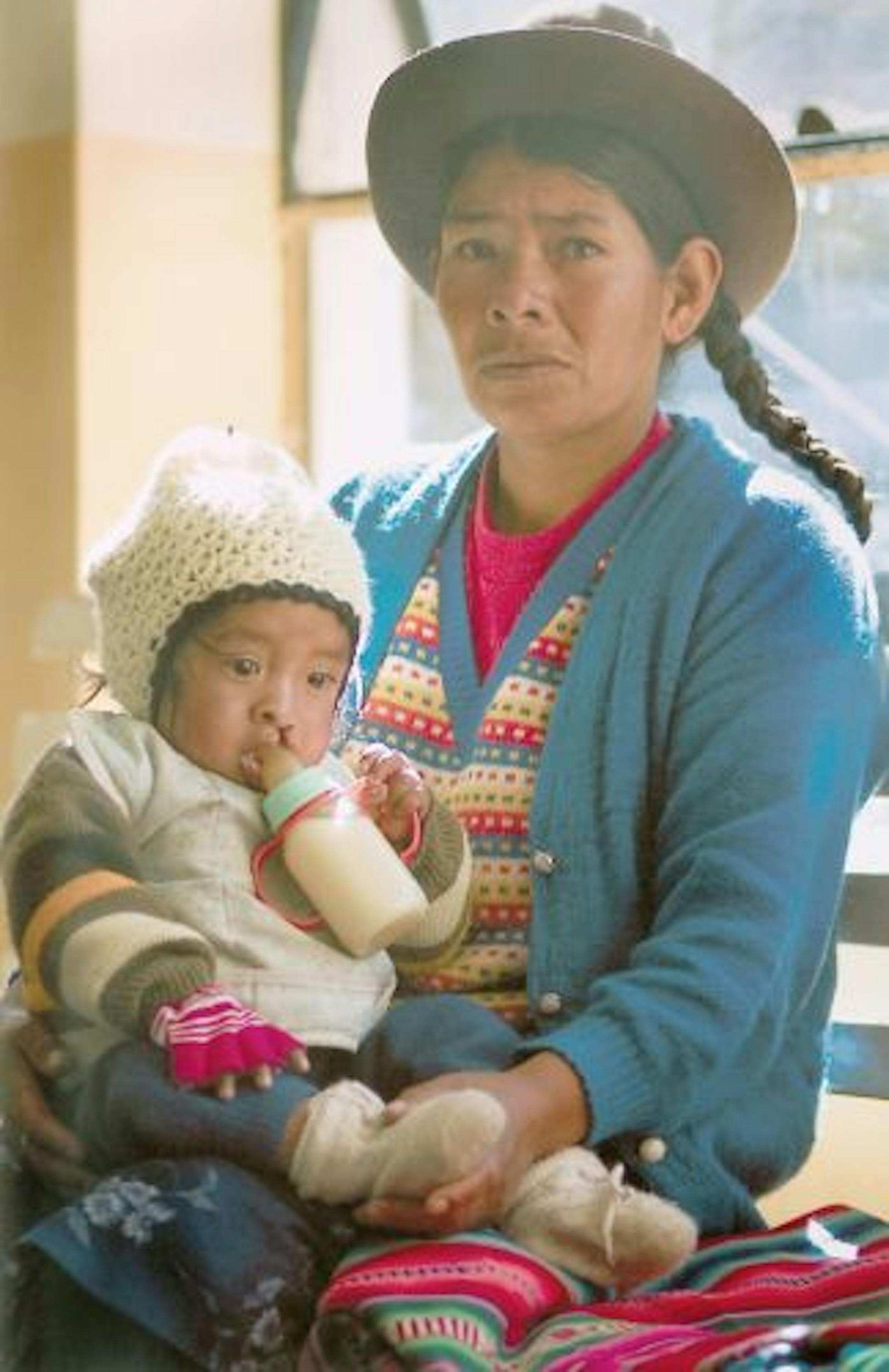
Cleft palates, those birth defects mislabeled as "harelips" in less progressive times, are easy to fix -- if you have access to modern health care and a way to pay for it. But millions of children around the world do not. For the one in 700 to 3,000 -- depending on the geographic region -- who are born with some variation of this defect, it can mean a lifetime of shame, social isolation and even fatal starvation if left untreated.
Valentini had those children in mind when she decided to launch the Smile Network, a Minneapolis nonprofit that would reach around the world. Eight years ago, she was director of international sales for Schussler Creative, the company behind the Rainforest Cafe and other concept restaurants. Before that, she managed tourism and marketing for the Mall of America.
"I was thinking I wanted to leave the corporate world and do something more meaningful before I turned 50," she said. "I never had a child with a cleft palate as part of my life, but I knew this was something so devastating, yet so simple to repair."
That was in 2003. Today the Smile Network's platoons of volunteers, including doctors and other medical professionals, go on annual missions to nine countries, from East Africa and India to Central America, making hundreds of damaged faces whole again.
The Smile Network is often confused with Smile Train, a New York-based organization that is much more nationally recognized due to its frequent advertising.
Valentini explains the difference: "They are primarily a funding organization supporting the work of local doctors. We take Western medical teams into the country to perform the operations, often to rural areas not served by other charities and, when possible, train the doctors there to become self-sufficient in cleft technique."
Meaningful mangoes