Did I lock the front door? Did I shut the garage door?
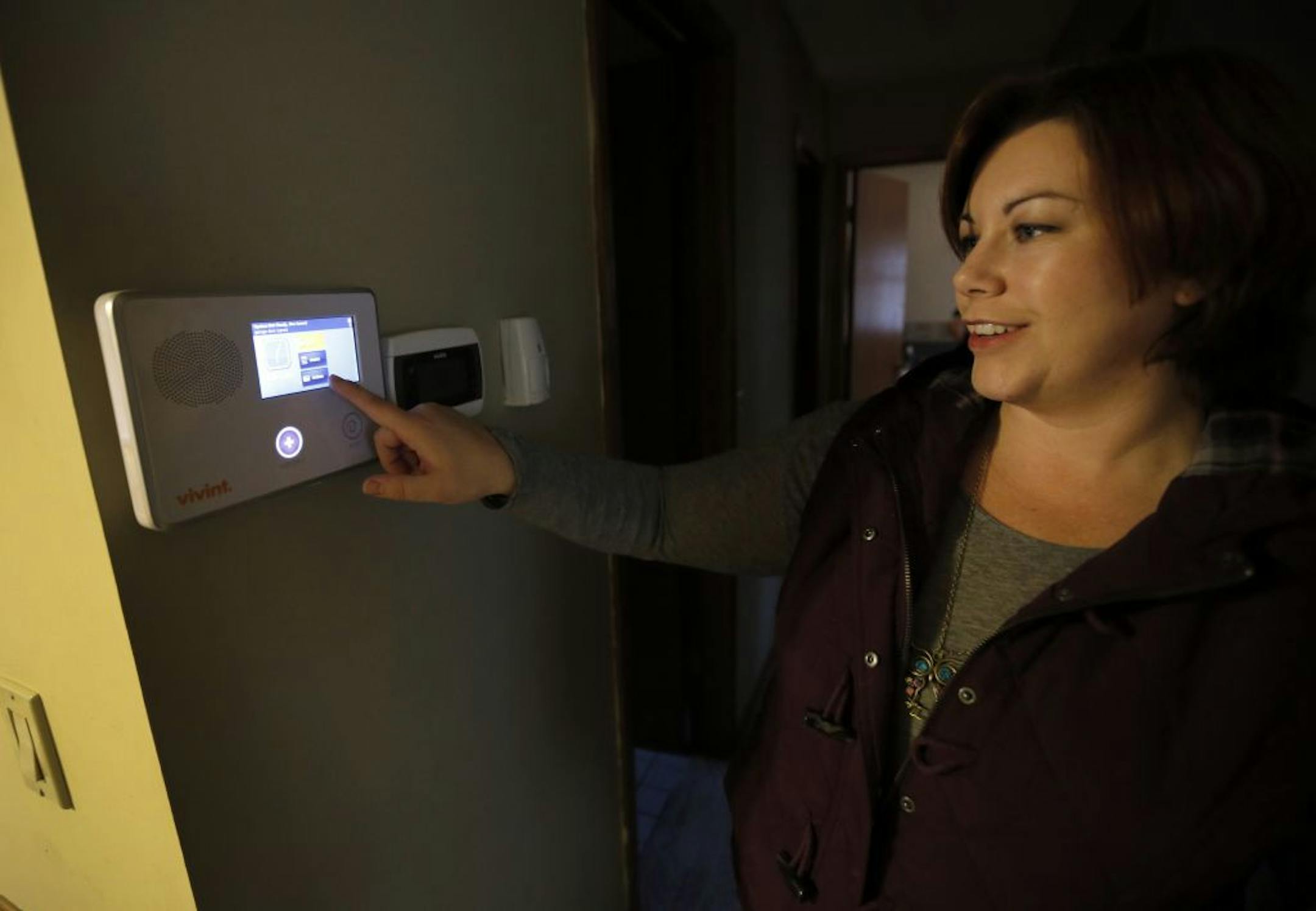
Those paranoid days are over for the Smiley family. Last spring, they transformed their charming 1950s Brooklyn Center rambler into a "smart home." It took less than a day.
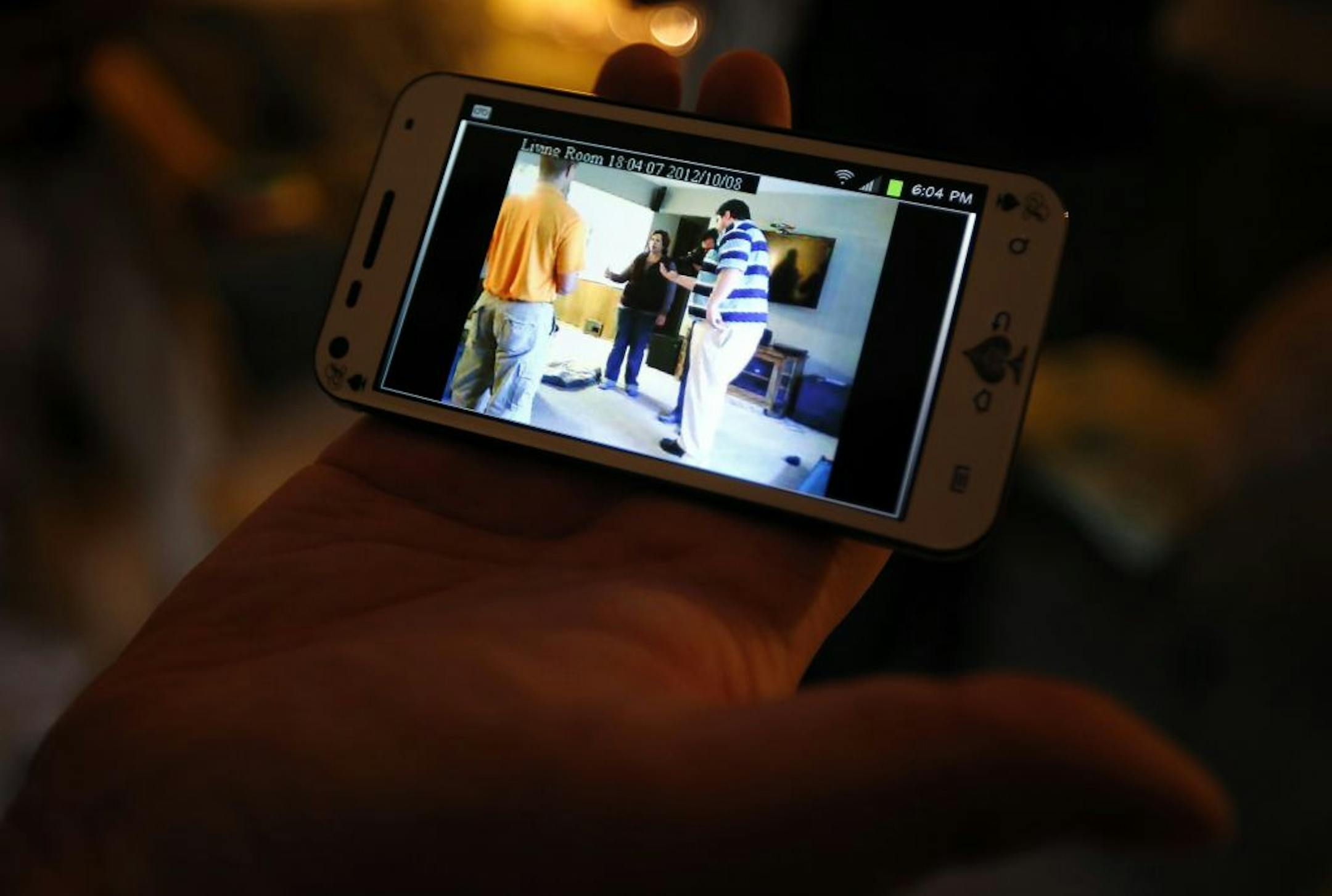
Using their smartphones, Brian Smiley and wife Lindsey Peterson-Smiley lock their front door and adjust their thermostat. They can control small appliances and check a log of all entries and exits from their home. They can even take a peek to see if their teenage son is finishing up his chores by using the system's live video feed.
"I am not a first adopter by any stretch, but I do like the ease of use and the features," said Peterson-Smiley.
Once the purview of the wealthy, such features in smart homes are now in reach of the middle class. According to one industry study, 90 million homes will be automated worldwide by 2017. The game changer in the past two years has been the rise of smartphones and tablets, experts say, which makes it easy and affordable to control household systems remotely.
"We are basically walking around with a $500 remote control," said Dave Pedigo, senior director of learning and emerging technologies with the Custom Electric Design & Installation Association. "Now we have the controller in our hands and the cost of the hardware is becoming very inexpensive. It makes it easy to pull it off."
The Smileys opted for Vivint's full home automation package, which cost $199 for activation and $68 a month. Vivint, originally a home security company with nearly 700,000 customers, started offering smart home technology at the end of 2010.
Since then, about half of Vivint's new customers utilize at least one smart home feature. Vivint is based in Provo, Utah, but has 100 employees working at one of its two North American monitoring stations in South St. Paul.