
Smaller classes in St. Paul schools mean less room for diversity

The St. Paul teachers' contract may have an unwanted side effect: Limiting school spots for the city's integration effort.

April 25, 2014 at 7:15AM
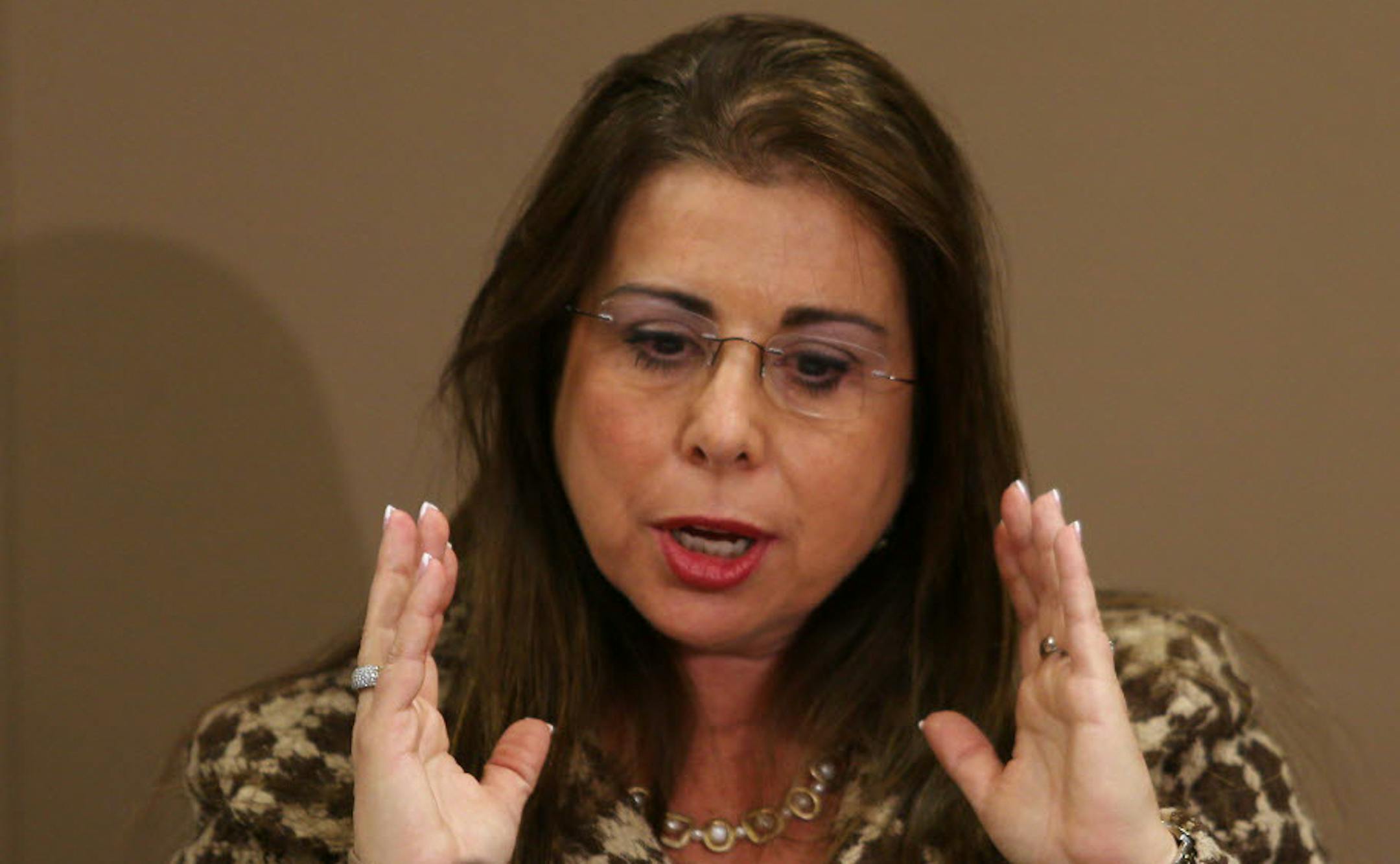
St. Paul schools Superintendent Valeria Silva.
St. Paul schools Superintendent Valeria Silva. (Susan Hogan — Star Tribune/The Minnesota Star Tribune)

The class-size lim­its her­ald­ed as a key fac­et of the new St. Paul public schools teachers contract are com­pli­cat­ing ef­forts to boost en­roll­ment and blunt­ing an in­itia­tive de­signed to in­te­grate some of the district's most popu­lar schools.

That initiative, Re­flect­ing St. Paul, was launched this school year and seeks to open seats in 11 schools to stu­dents from neighborhoods with low­er in­comes, high­er per­cent­ages of non-Eng­lish-speak­ing families and low­er test scores.

Under the program, the stu­dents, many from mi­nor­i­ty groups, are en­ti­tled to one-fifth of the avail­able seats in each school. A­vail­a­bil­i­ty hing­es on how many seats remain open af­ter first be­ing al­lo­cat­ed to chil­dren liv­ing within each of the re­spec­tive school com­mu­ni­ties.

With the new class-size lim­its, however, the schools had fewer seats to be­gin with in plan­ning for the 2014-15 school year. For Re­flect­ing St. Paul, in particular, the school-choice lottery results, as of last week, reveal a 41 percent de­cline in stu­dent place­ment at the 11 schools — from 378 stu­dents in April 2013 to 222 stu­dents this year.

District of­fi­cials say that be­cause the teach­er con­tract talks co­in­cid­ed with the school-se­lec­tion proc­ess already underway for fami­lies, there was no time af­ter a set­tle­ment was reached in late February to change rules gov­ern­ing the lot­ter­y sys­tem — if any chan­ges were de­sired. They also were quick to not as­sign blame.

"This is no­bod­y's fault," Superintendent Va­ler­i­a Silva told school board mem­bers re­cent­ly.

Shrink­ing class sizes is "some­thing we as a com­muni­ty want­ed to do," said Jackie Tur­ner, the dis­trict's chief en­gage­ment of­fi­cer.

The push to lock in low­er class-size lim­its proved a vi­tal ral­ly­ing point for the St. Paul Federation of Teachers. Par­ents backed the un­ion in events out­side schools and dis­trict headquarters. A Face­book group, "I Stand With SPFT," topped 1,500 mem­bers.

Re­flect­ing St. Paul stu­dents account for a small per­cent­age of over­all en­roll­ment in the St. Paul dis­trict, the state's se­cond-larg­est with 37,756 stu­dents.

Jim Hil­bert, ex­ec­u­tive di­rec­tor of the Center for Ne­go­ti­a­tion and Justice at Wil­liam Mitchell College of Law, was tapped by the dis­trict to serve on a group that ad­vised it on in­te­gra­tion is­sues as it launched Silva's Strong Schools, Strong Com­mu­ni­ties stra­tegic plan, which placed new em­pha­sis on neigh­bor­hood schools.

It's a 'start'

Earli­er this year, he said, the dis­trict sup­plied him with data show­ing 447 stu­dents e­ven­tu­al­ly were placed at the 11 schools this year un­der the Re­flect­ing St. Paul in­itia­tive. Out of near­ly 38,000 stu­dents, 447 is a small num­ber, he not­ed, but it is a "start," he said.

He added, however, that he was dis­ap­point­ed with the 2014-15 pro­jec­tions.

"It's a step away from the com­mit­ment they made to re­duce seg­re­ga­tion," Hil­bert said.

Said Jeff Mar­tin, pres­i­dent of the NAACP's St. Paul chap­ter, "We are not pre­par­ing chil­dren for the world if it's in a ho­mo­ge­ne­ous class­room."

In de­cid­ing who can fill which classroom seats where, the dis­trict ad­opt­ed en­roll­ment cri­teria with six pri­or­i­ty lev­els. Students who fall with­in Re­flect­ing St. Paul pa­ram­e­ters have se­cond pri­or­i­ty, ahead of chil­dren of dis­trict employees, for ex­am­ple, and behind only those stu­dents who liv­e with­in a school's geographic boundary.

In 2013-14, ac­cord­ing to the data pro­vid­ed to Hil­bert, 34 stu­dents in the Re­flect­ing St. Paul program were placed at Randolph Heights El­e­men­ta­ry, where 72 percent of stu­dents are white and 26 percent qual­i­fy for free or re­duced-price lunch­es, according to state data.

Un­der the new con­tract, which trim­s kin­der­gar­ten class sizes from 30 to 26 stu­dents, Randolph Heights will have 78 kindergarten seats avail­able for 2014-15 across three sec­tions. Seventy-two were spok­en for be­fore Re­flect­ing St. Paul stu­dents could qual­i­fy for one of the re­main­ing six seats, Tur­ner said.

"Should Re­flect­ing St. Paul come first?" she won­dered a­loud dur­ing a re­cent inter­view.

That discussion, she said, would involve school board mem­bers, the teach­ers un­ion and the com­muni­ty at large. Board Member Jean O'Con­nell, who was chair­woman dur­ing the fi­nal two years of Strong Schools, Strong Com­mu­ni­ties plan­ning, said that board members need­ed school-choice lot­ter­y re­sults be­fore they could con­sider moves such as creating ad­di­tion­al classroom space or chan­ging school boun­dar­ies.

Tur­ner said that she ex­pects those dis­cus­sions to take place in 2014-15. Total en­roll­ment is likely to be on the a­gen­da, too.

Silva, who has made en­roll­ment growth a pri­or­i­ty of her Strong Schools, Strong Com­mu­ni­ties plan, said last week that hopes for an enrollment in­crease in 2014-15 will be "dif­fi­cult to meet."

Anthony Lonetree • 651-925-5036

about the writer

about the writer

Anthony Lonetree

Reporter

Anthony Lonetree has been covering St. Paul Public Schools and general K-12 issues for the Star Tribune since 2012-13. He began work in the paper's St. Paul bureau in 1987 and was the City Hall reporter for five years before moving to various education, public safety and suburban beats.

See Moreicon

More from No Section

See More
FILE -- A rent deposit slot at an apartment complex in Tucker, Ga., on July 21, 2020. As an eviction crisis has seemed increasingly likely this summer, everyone in the housing market has made the same plea to Washington: Send money — lots of it — that would keep renters in their homes and landlords afloat. (Melissa Golden/The New York Times) ORG XMIT: XNYT58
Melissa Golden/The New York Times

It’s too soon to tell how much the immigration crackdown is to blame.