

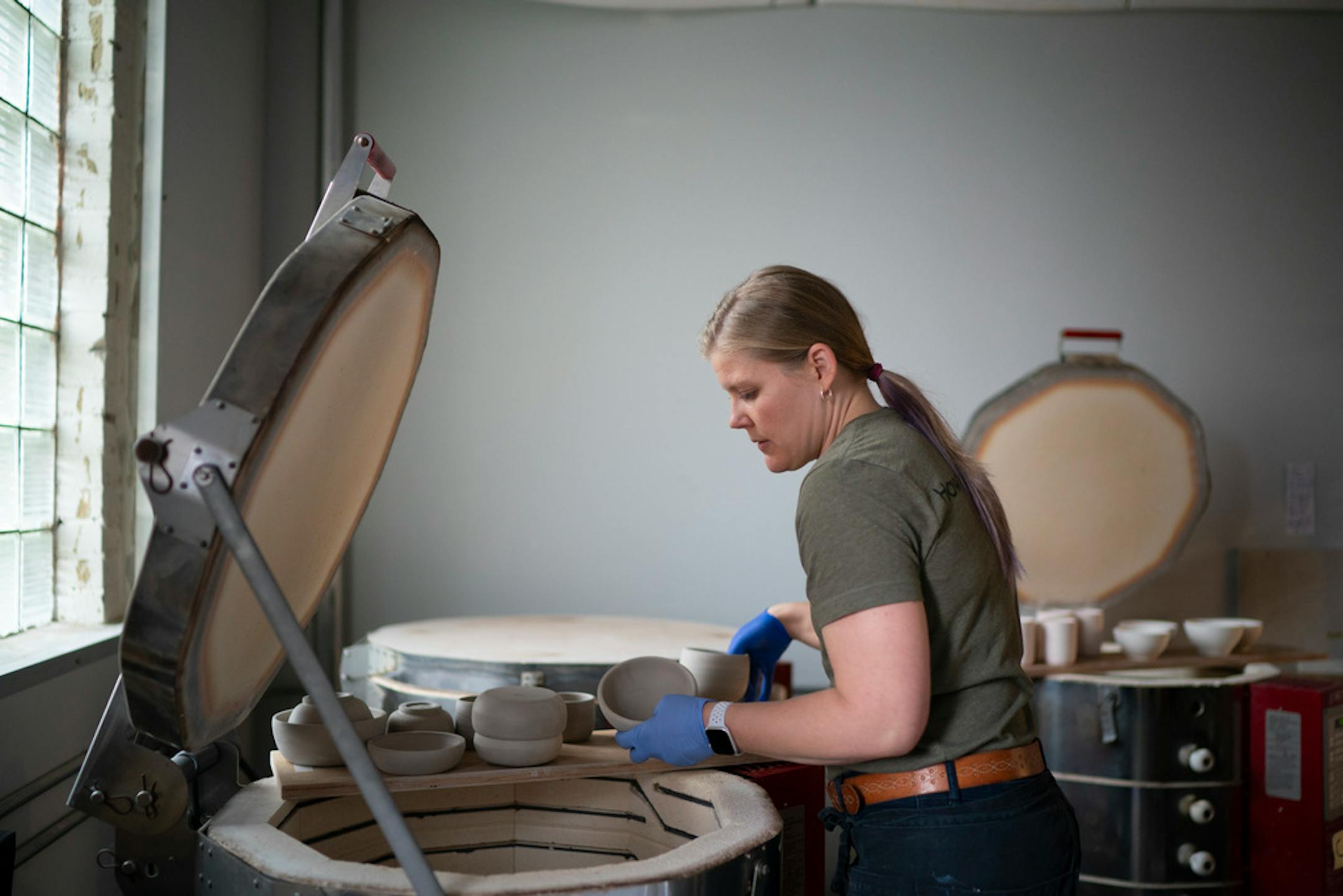
After the pandemic forced her to stop offering ceramics classes, Jennie Tang decided to apply for an emergency forgivable loan offered by the city of Minneapolis.
It wasn't until after she hit "submit" that she learned she didn't qualify — because her business isn't located in a part of the city already considered distressed or otherwise vulnerable. "Wow," Tang said. "It's stunning to me that we aren't eligible … Even if we can open, it's going to be a challenge when we do."
The city received more than 1,200 applications from businesses seeking $5,000 or $10,000 forgivable loans to help them survive the pandemic. About 400 are likely to be disqualified because they're outside the zones designated by the city for assistance.
Minneapolis Mayor Jacob Frey and leaders in the city's Community Planning and Economic Development department said the city cannot provide enough money to help everyone, and they wanted to prioritize communities that are already suffering and would likely be disproportionately harmed by the pandemic, including people of color.
"To abandon our conviction during a crisis would be to deal in ornamental policy," Frey said.
But some small-business owners and others in City Hall have since questioned whether there might have been other ways to accomplish those same goals.
Need, or geographic area?
Council Member Jeremy Schroeder, who represents one of the three city wards that don't include any of the eligible zones, has asked the city to consider making changes and to speed up the rollout of another emergency loan program that would be available citywide.
"What I'd like to see is if it's going to be based on need, have it based on need and not geographic area," Schroeder said. "These small businesses are the backbone for the community."
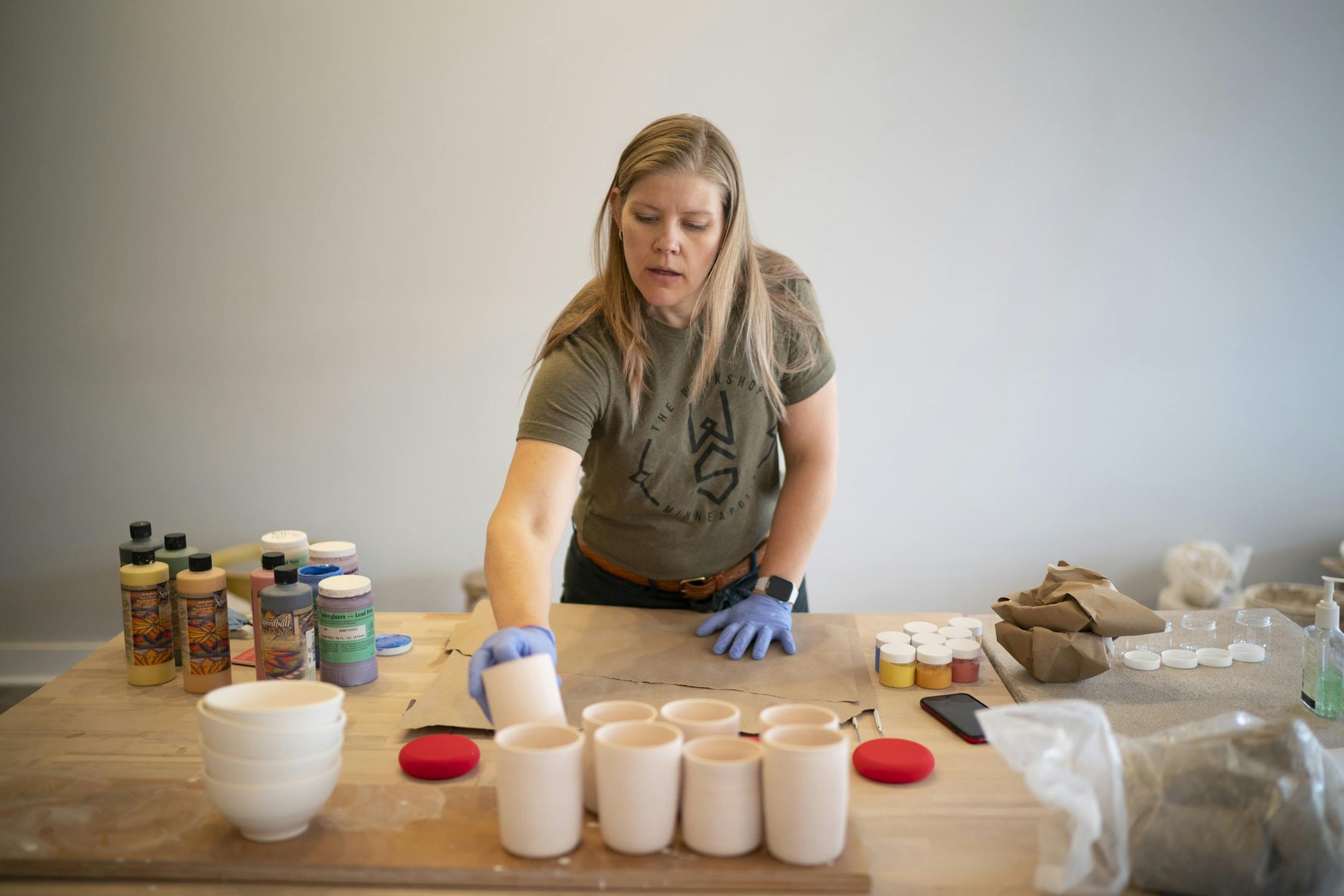
![Jennie Tang returned with her hauling wagon after helping a customer with a load of clay to her car. ] JEFF WHEELER • Jeff.Wheeler@startribune.com When Minneapolis launched its forgivable loan program to help small businesses cope with the pandemic, it put in place criteria that made businesses in large swaths of the city ineligible. Jennie Tang, owner of The Workshop Minneapolis, a pottery studio in south Minneapolis applied for the program but later learned her business wasn't eligible](https://arc.stimg.co/startribunemedia/A6IPBQQTF4VEOJZM3CHRMG5S3A.jpg?&w=1080)


