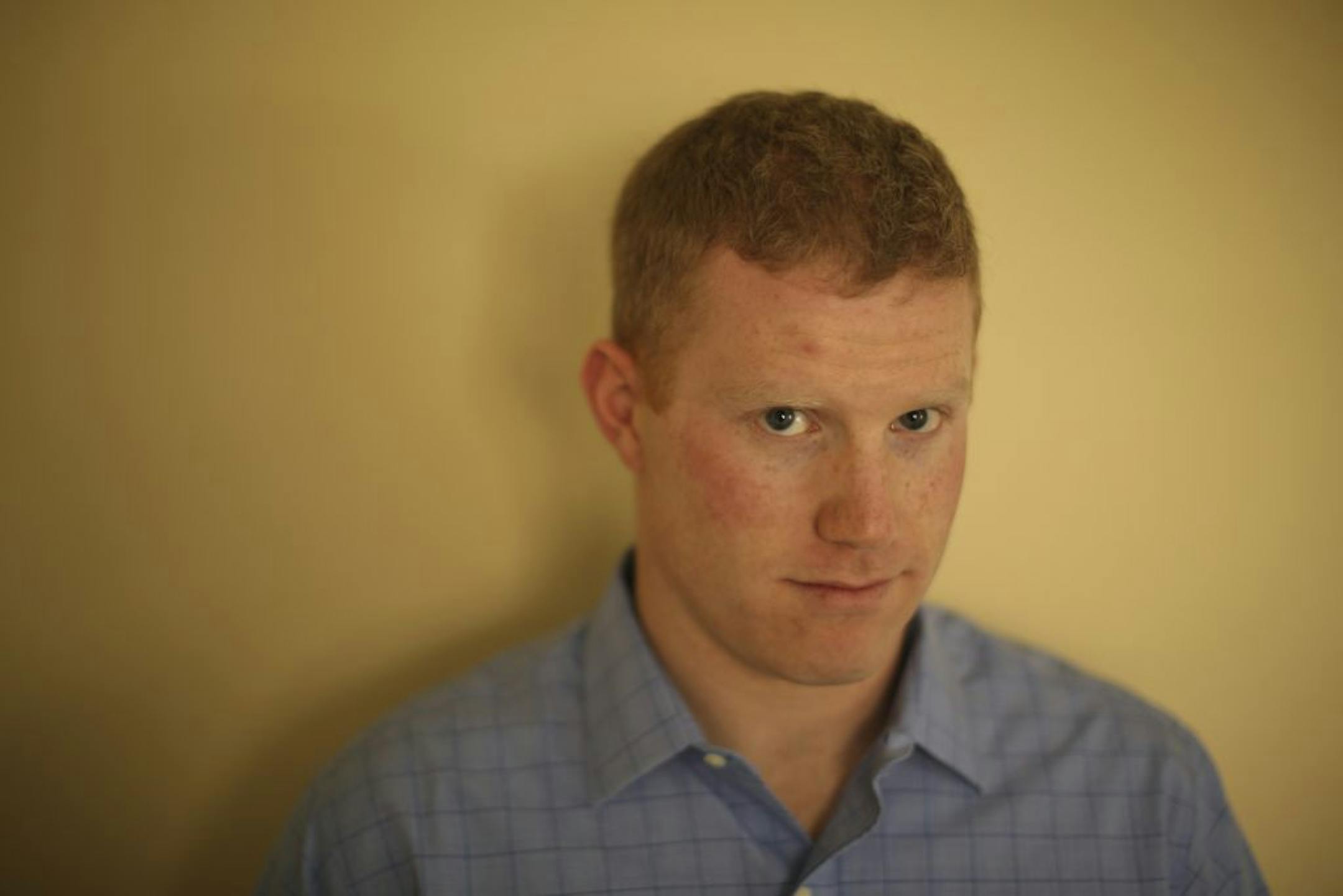
Toby McKenna didn't need to break into a house to steal prescription pills back when he was a teenager. He just swiped extras from his mom's cancer medications, then crushed the tablets and snorted them. And when his dad underwent knee surgery, McKenna picked up pain pills from a hospital pharmacy and pocketed half in an elevator on the way to his dad's room.
"I call myself kind of an arm's length drug user/alcoholic," said McKenna, a 28-year-old electronics salesman who has been sober for five years. "If it was within arm's length, I would try it and use it."
Teens and young adults are reaching for prescription drugs more often, sheriffs and therapists say, a trend underscored by last week's shootings of two Little Falls teenagers in a case linked to drug thefts.
Police and treatment officials across Minnesota report a growing number of similar burglaries -- in which thieves bypass expensive TV sets and silverware for pills -- and a burgeoning black market for unused painkillers and stimulants.
"Prescription drug abuse ... is at epidemic proportions," said Dr. Joseph Lee, director of youth services for the Hazelden addiction treatment program. "People would be surprised at the proportion of crimes that are committed, petty and otherwise, in our community, because of drugs."
The National Center on Addiction and Substance Abuse in New York reported this summer that 44 percent of high school students know drug dealers in their schools. A quarter of those dealers peddle prescription pills, making them the second-most common illegal drugs for sale in schools behind marijuana.
In Minnesota, 8 percent of high school senior boys had tried painkillers to get high, and 6 percent had tried stimulants, according to the 2010 Minnesota Student Survey, a health questionnaire compiled by the Minnesota Department of Health.
Common in the suburbs