

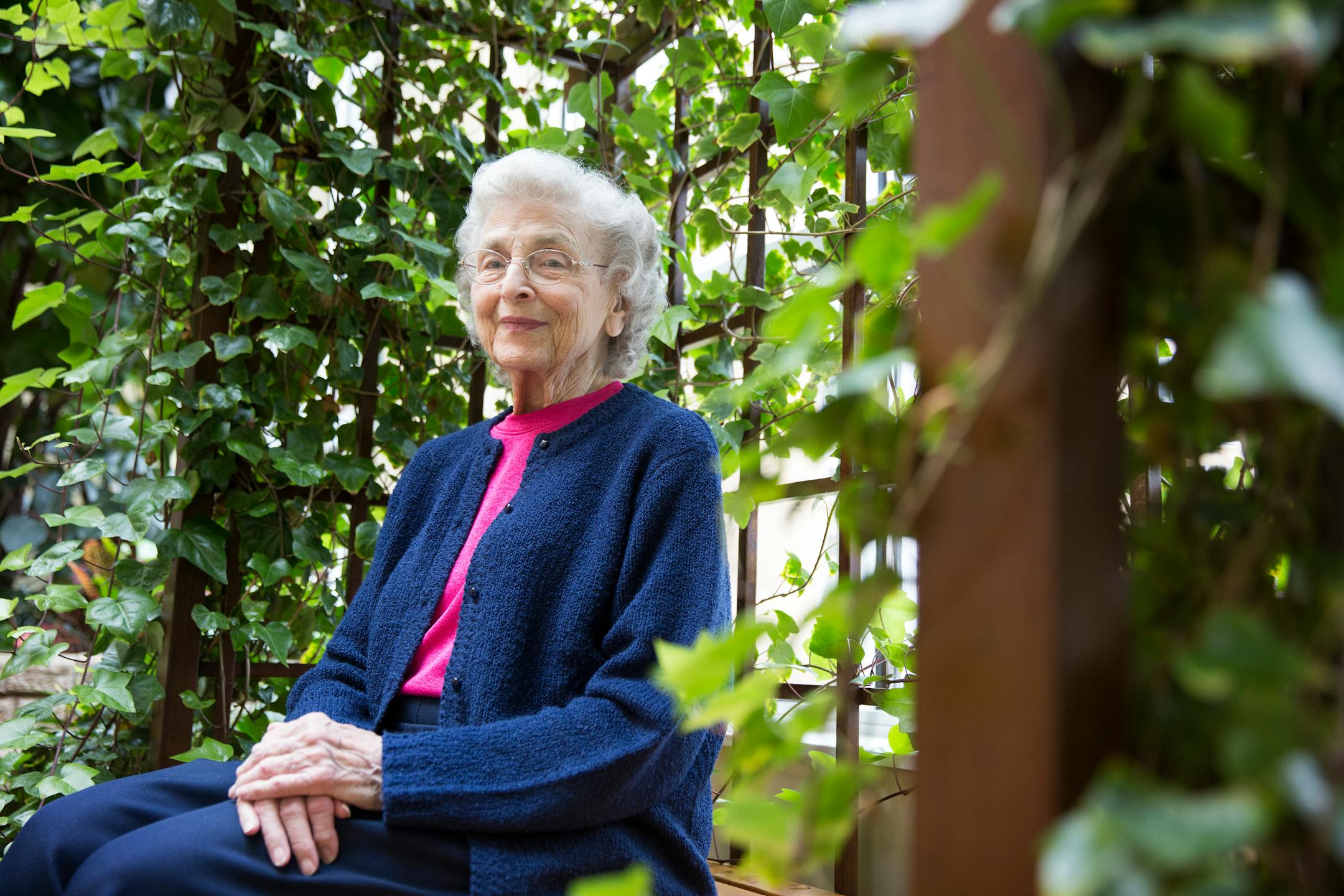
Instead of calling her "Commissioner," Mary Madonna Ashton was often called "Sister." That was the first sign meetings would be different with a Catholic nun at the helm of a state agency. The second sign: more civil discourse and less cursing.
"You hear a lot more people from the old school saying 'son of a gun' when Sister Mary Madonna's in the room," Gov. Rudy Perpich later recalled.
He selected Ashton to be the first woman to lead the Minnesota Department of Health. The St. Paul resident was also the first non-physician and nun in the role, both of which sparked controversy in the 1980s.
"She made history … and set a very high standard for those of us who were privileged to follow her in the role," said Jan Malcolm, the current health commissioner who also held the job from 1999 to 2003 and considered Ashton a mentor. "Leading with grace and compassion, were really a hallmark [of her leadership.] … She just had a life of service."
Ashton was a public health pioneer who also led the former St. Mary's Hospital in Minneapolis, and started St. Mary's Health Clinics in St. Paul. She died Oct. 16 at the age of 99.
Born Alberta Ashton, she grew up in St. Paul during the Great Depression, the eldest of three girls in an Episcopalian family. While attending St. Catherine University, Ashton converted to Catholicism and decided to become a nun, joining the Sisters of St. Joseph of Carondelet in St. Paul in 1946.
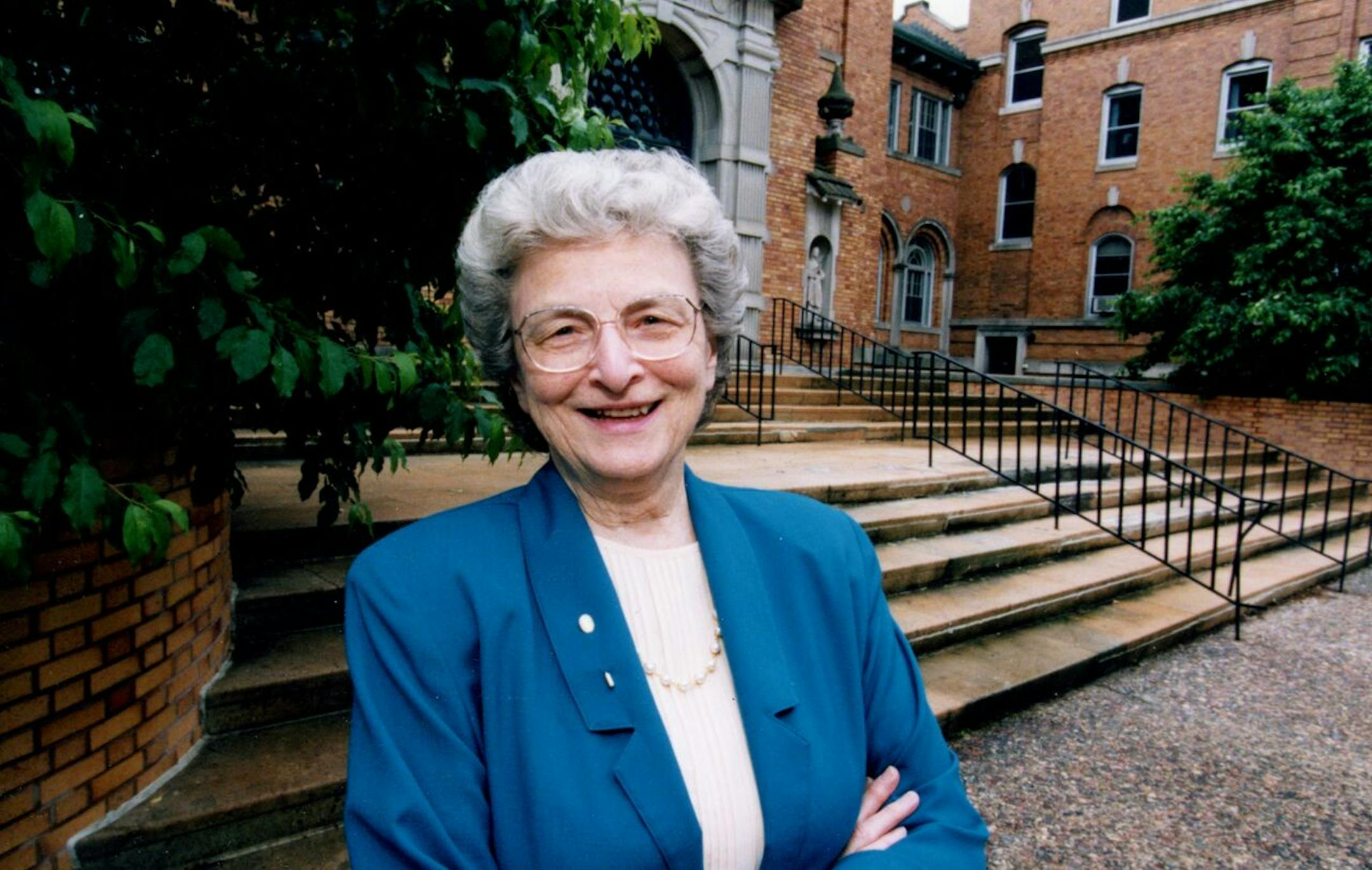
Ashton got two master's degrees, started a career in medical social work and worked her way up to CEO of St. Mary's Hospital in 1962 — a notable accomplishment before she was 40, in a time when women held just 2% of the nation's hospital manager jobs.
"She was a person who opened up new doors for women in health care," said longtime family friend Matthew Foley of Chanhassen.


