

Leona Helmsley, the late hotelier and "Queen of Mean," left this world with a gift to her Maltese dog named Trouble in the amount of $12 million. The little creature did pretty well for herself as a reward for giving some warm comfort to her tough executive owner.
That story always reminds me of the funeral of the late Minnesota philanthropist Virginia McKnight Binger, whose largesse to the greater community I admire more. At the funeral, Binger's granddaughter, Noa Staryk, said from the pulpit that we all knew of and were grateful for her grandmother's great community legacy through the McKnight Foundation, so she wanted to talk about her great legacy given to her family — to her, to her cousins, to her aunts and uncles. One's family legacy can be distinguished from one's "community legacy."
We are all thankful for different things in our lives — some, like Helmsley, for dogs; some, like Virginia McKnight Binger, for the community, and most of us for our families.
On Thanksgiving weekend, we might do well to reflect on the things that meant most to us in our lives and how we might extend those values.
The statistics people tell us that $10 trillion will be passed on over the next 20 years. The vast majority of it will go to family members as peoples' lives run out before the money does. But the philanthropic sector is hoping to receive 5 percent of this wealth, or $500 billion.
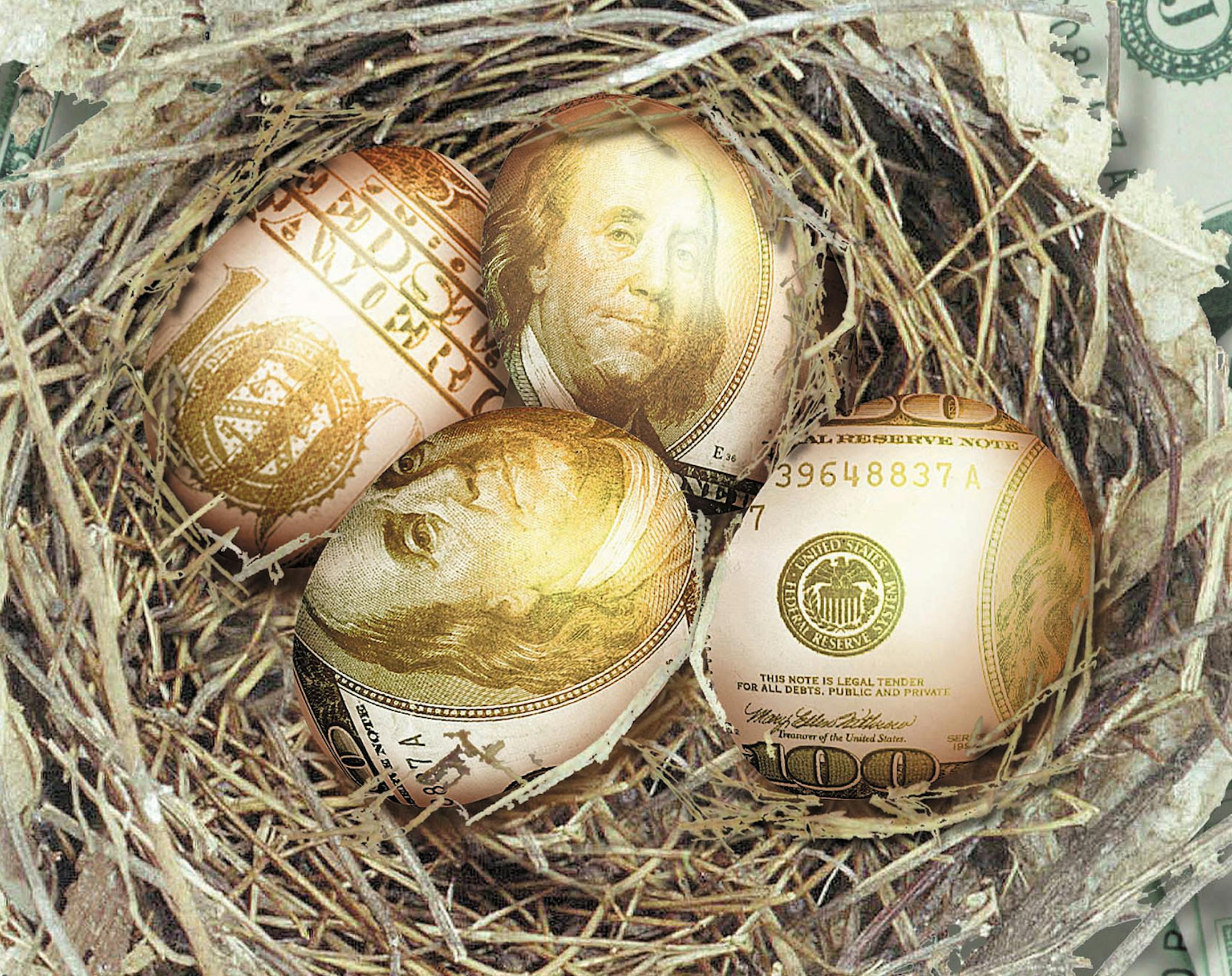
Why not go for 10 percent, a full $1 trillion? Our various communities, with all their problems and opportunities, could certainly use it. The "Billionaire's Club," led by Warren Buffett and Bill Gates, advocate giving 50 percent of one's wealth either during one's lifetime or at the time of death. Why not consider giving 50 percent of our nest eggs to the community?
Family members usually are respectable beneficiaries of wealth. But if you push most people and ask them if there is a limit to the amount of assets they'd like to give each child, they usually say "yes." If you ask people whether there are other causes they'd like to give to, they start listing them.
When I was running Project for Pride in Living, I remember getting three "end of life" gifts — one for $2,000 out of a modest $20,000 estate, another for $100,000 from someone who had been giving us $5,000 to $10,000 a year for several years, and one $1 million gift, which is still helping to run the youth programs at PPL. That person extended his family's values beyond his lifetime. In a way, he extended his life beyond his lifetime.


