PATRICK REUSSE
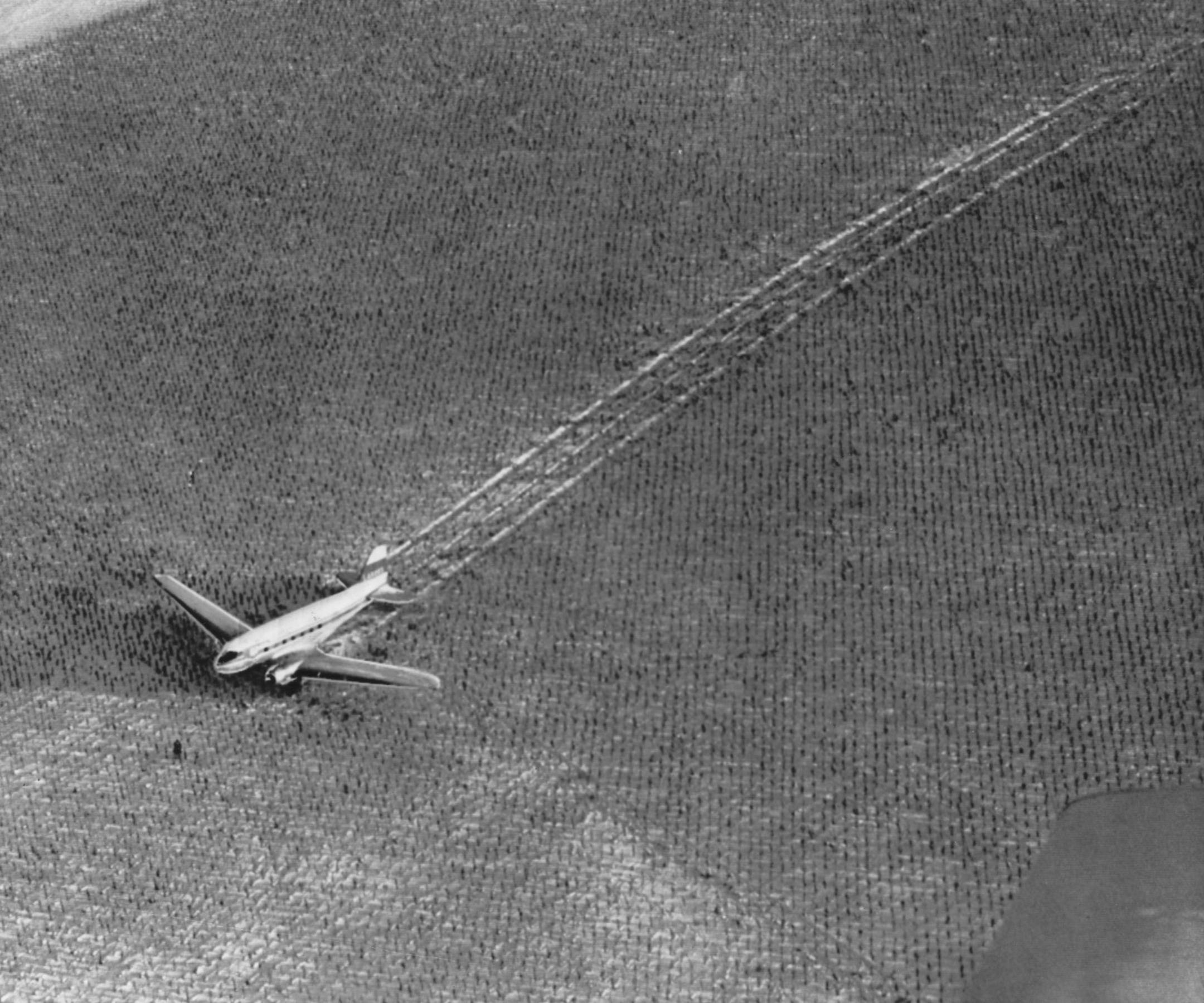
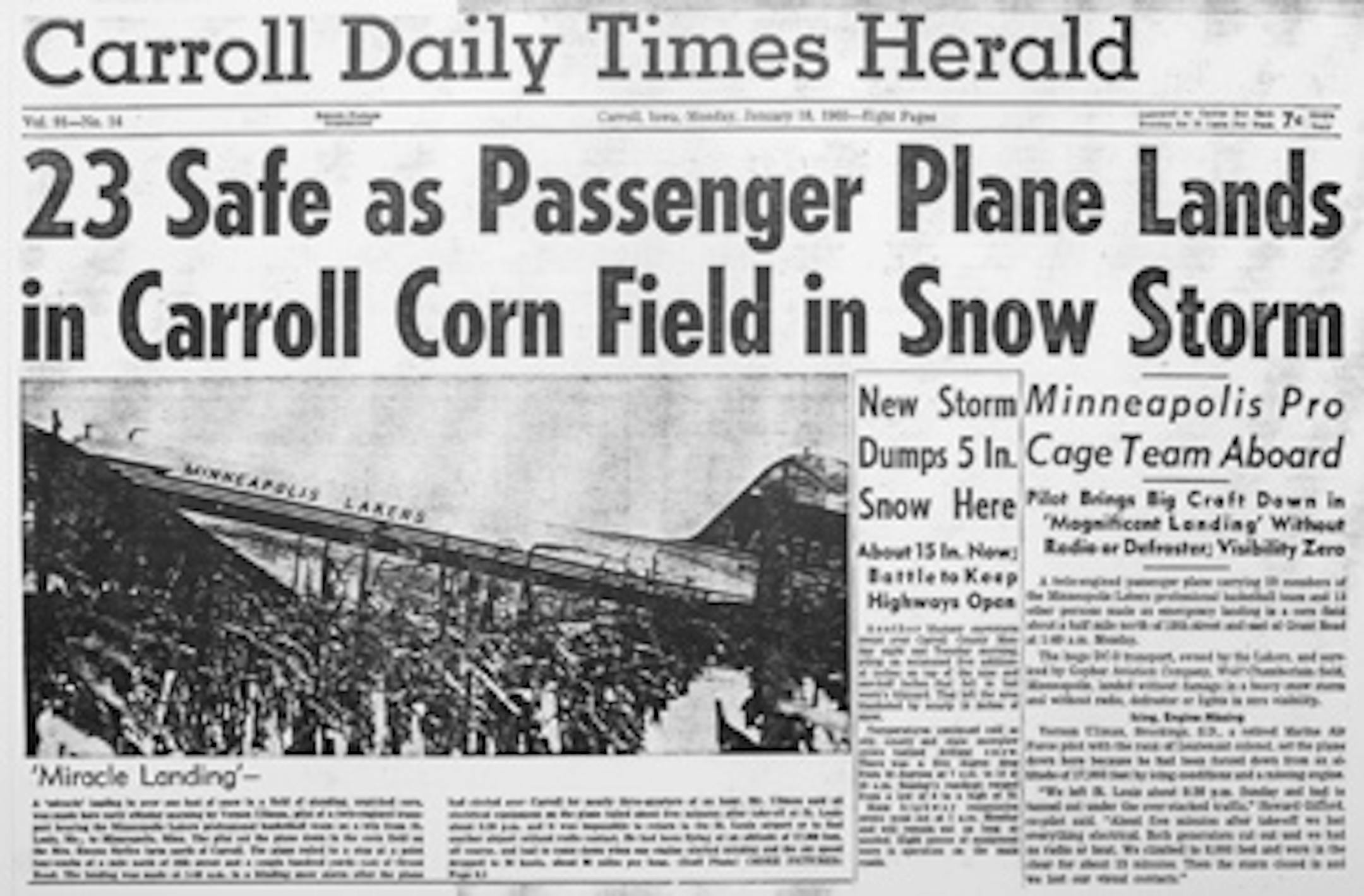
Owner Bob Short purchased a converted World War II-era cargo plane, a well-worn DC-3, to transport the Minneapolis Lakers for the 1959-60 season. The team's name was adorned on the side of the plane, and newspapers around the world displayed a photo of that aircraft in mid-January 1960.
The reason was the plane was stuck in an Iowa cornfield after making an emergency landing early on the morning of Jan. 18. The Lakers had played a Sunday afternoon game in St. Louis on Jan. 17, spent several hours at the airport before the decision was made to take on a winter storm, left at 8:30 p.m., lost electricity, and four hours later the pilots took at shot at landing in the cornfield.
Everyone survived. Yet, somehow the sight of that plane resting yards from a ditch and perhaps destruction is a symbol of pro basketball's standing in Minnesota's Major League Era.
We had the Lakers' dynasty with six championships in seven seasons (1947-54), in a league with as few as eight teams, and we have the Lynx, trying for their fifth championship since 2011 in the short-season, 12-team WNBA, but when it comes to the four leagues that make an area major league in the age of expansion, pro basketball has carried our hex.
It was that way from the beginning. On Jan. 28, 1960, the NFL announced it would put a 13th team in Dallas for the 1960 season, and a team in Minnesota for 1961. On Oct. 26, 1960, it was announced Calvin Griffith's Washington Senators would move to Minnesota for the 1961 season, while Washington and Los Angeles would get expansion teams.
In between, on April 15, the NBA officially approved the move of the Minneapolis Lakers to Los Angeles. Four days earlier, the 1960 NBA draft was held, and the team still identified as the Minneapolis Lakers selected West Virginia's Jerry West in the second overall choice.
Elgin Baylor AND Jerry West … that could have been us.
The Vikings' enormous mob of followers, old, middle-aged and young, all mouth the idea that this franchise carries some kind of a dark cloud.