Silver lining? Cold snap cripples emerald ash borer threat

As much as 80 percent of destructive larvae might be killed off, state researchers say.

January 13, 2014 at 3:25PM
icon1:59
(Matt GIllmer/Matt GIllmer)

Homeowners and cities are spending millions to combat the tree-killing emerald ash borer, even sending predatory wasps after them.

But it turns out an old-fashioned, bone-chilling cold snap might be the best weapon yet.

As much as 80 percent of the ash borer population could be knocked out by this week's deep cold, said Rob Vennette, research biologist at the U.S. Forest Service's Northern Research Station in St. Paul.

That won't remove the mortal threat the invasive insect poses for Minnesota's nearly 1 billion ash trees. Many beetles will survive and reproduce, and this week's cold was a once-a-decade extreme in an era of warming winters.

But even a partial kill-off because of the deep freeze could buy some time for cities and homeowners trying to plan for extensive tree loss, he said.

Ralph Sievert, forestry director for the Minneapolis Park and Recreation Board, said a dip in the ash borer population wouldn't cause the agency to change its plans to remove all 40,000 of its ash trees over the next eight years. Relaxing that pace, he said, could allow the city to be hit by a sudden beetle population explosion or tree die-off.

"Places in Michigan get cold, too, and it hasn't really slowed things down," he said.

Michigan is where the beetle was first identified in North America, in 2002. Since then it has killed tens of millions of ash trees in southeastern Michigan alone.
Knocked cold

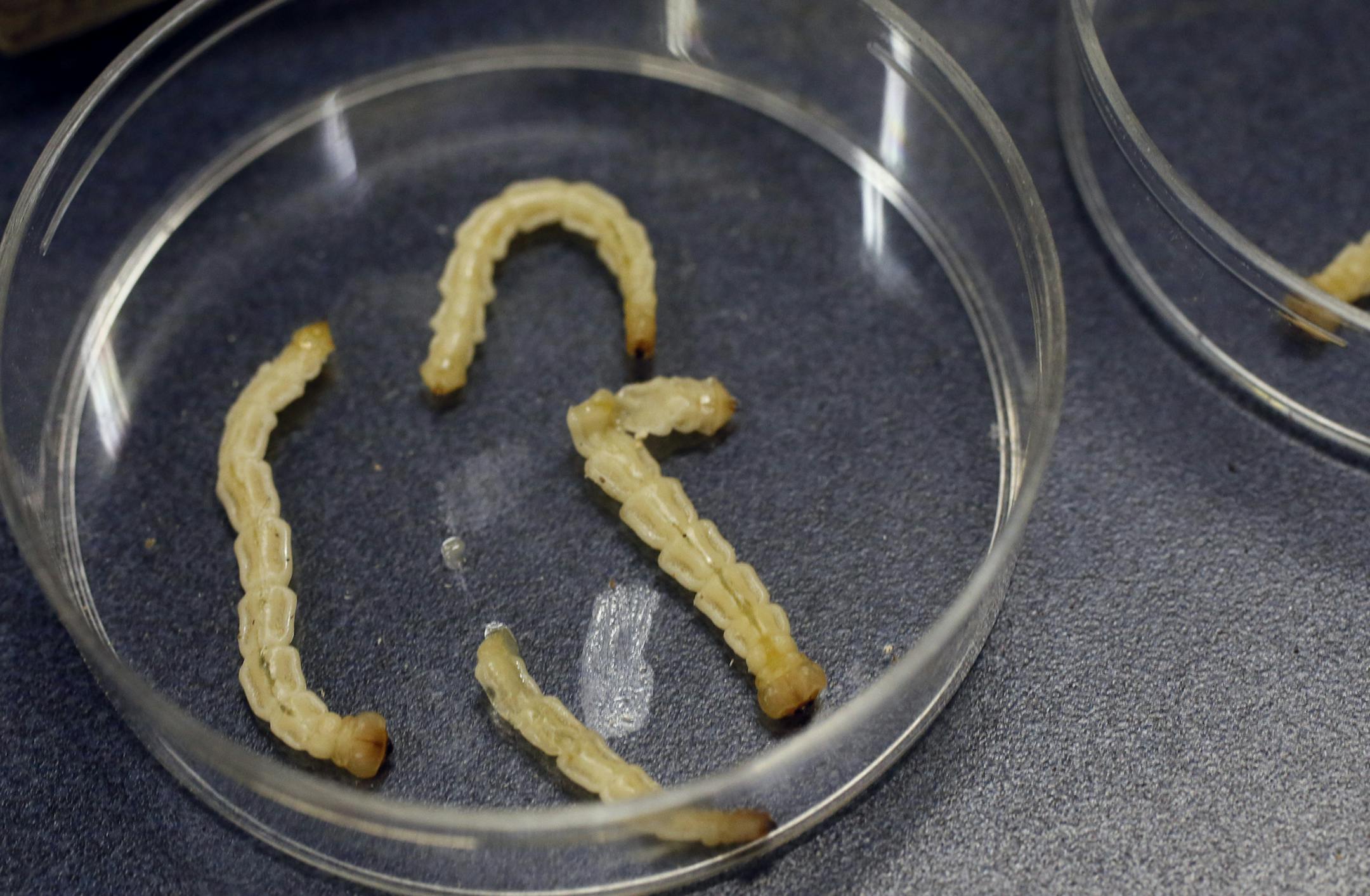
During the winter of 2009-10, Vennette and Minnesota Department of Agriculture entomologist Mark Abrahamson found that 40 percent of ash borer larvae, wintering in ash logs in St. Paul, didn't survive a 5½-week test period that saw a low temperature of 18 below. In Grand Rapids, Minn., where the mercury dropped to 29 below, 90 percent were wiped out.

The Twin Cities' low temperature Monday was 23 below, the coldest temperature in 10 years. That was bookended by a 20 below on Sunday and 16 below on Tuesday. Temperatures of minus-40 and colder have been frequent in recent weeks across northern Minnesota.

But researchers still can't be definite about the effect of particular temperatures on ash borers. In warm autumns, Vennette said, ash borer larvae can build extra protection for themselves under tree bark. Trees with sunny exposures, or near buildings or open water, can protect the beetle larvae from extreme cold. Some parts of trees might be warmer than others, Vennette added, and researchers are still trying to determine how long an exposure to a certain temperature is needed for an ash borer to freeze.

Lindsey Christianson, a University of Minnesota entomology graduate student working with Vennette, has been trying to do just that. In recent weeks she's been pulling ash borer larvae from under the bark of infested trees felled at Great River Bluffs State Park near Winona last fall, and putting them into a freezer that can get as cold as 112 below zero. The larvae tend to freeze at minus 30, giving off a small blast of warmth that is usually considered a kind of last breath. But some have survived beyond that, she said.

"There's no one magic number that seals their fate," said Vennette. "That range of minus 20 to minus 30 is where things start to get what I call interesting — where we've have more than 50 percent mortality. "

The August discovery of an ash borer infestation in Superior, Wis., means it's only a matter of time before the beetle turns the corner of Lake Superior and reaches northern Minnesota, home to the state's densest population of ash trees. The recent cold could help slow its advance, Vennette added.

Meanwhile, Minnesota's native insects, from mosquitoes to box elder bugs, are likely to shrug off the cold, said University of Minnesota Extension entomologist Jeff Hahn.

"They've lived in Minnesota for quite a long time — longer than we have," he said. The mosquito population is likely to be affected more by spring precipitation than extreme winter cold, Hahn added.

Bill McAuliffe • 612-673-7646


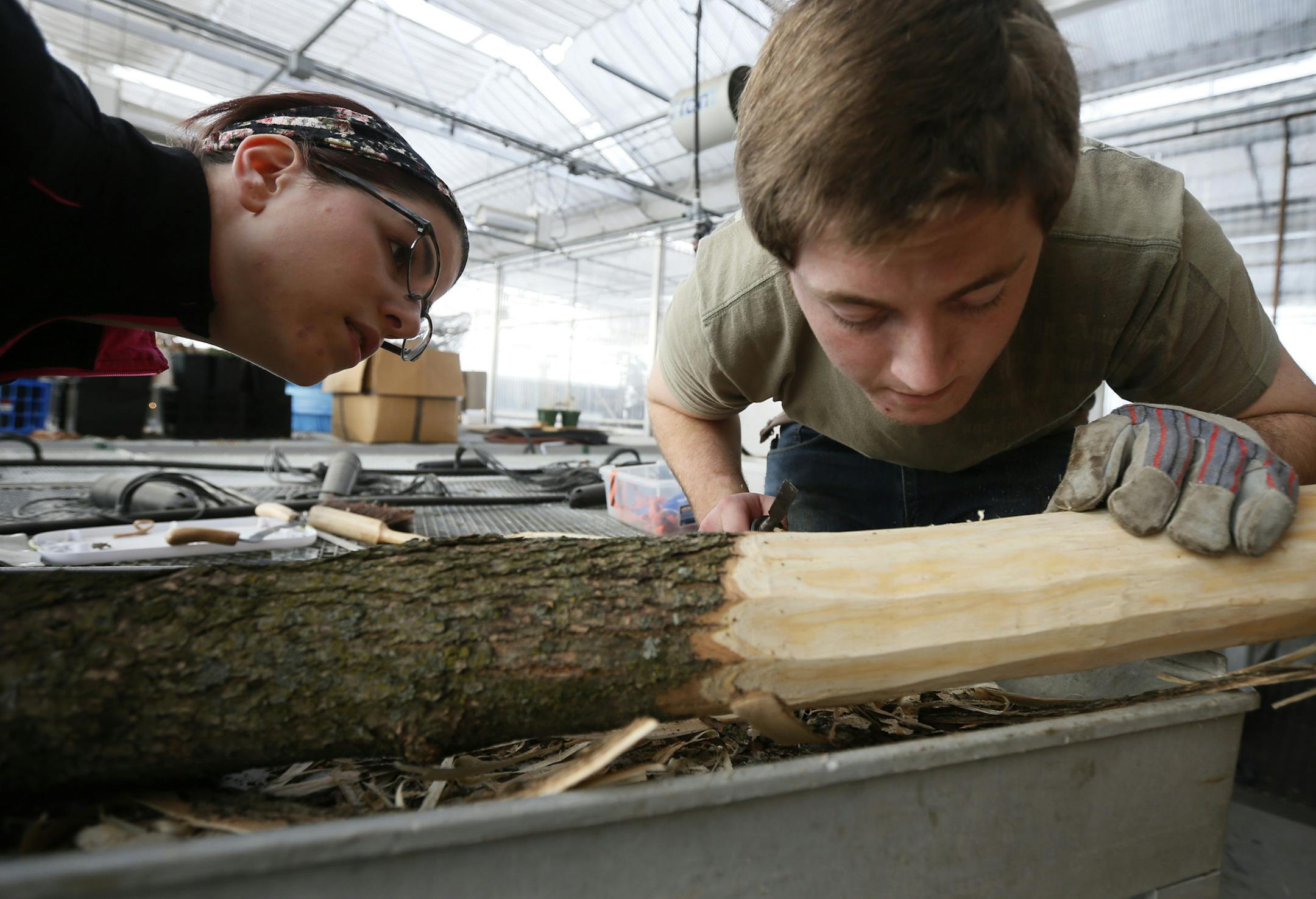
University of Minnesota students Lindsey Christianson and Ben Davis peeled bark from an ash tree log searching for ash borer larvae.
University of Minnesota students Lindsey Christianson and Ben Davis peeled bark from an ash tree log searching for ash borer larvae. (The Minnesota Star Tribune)
Researchers say 40 percent of the larvae in test logs died at temperatures of 18 below. At -29, 90 percent died.
Researchers say 40 percent of the larvae in test logs died at temperatures of 18 below. At -29, 90 percent died. (The Minnesota Star Tribune)
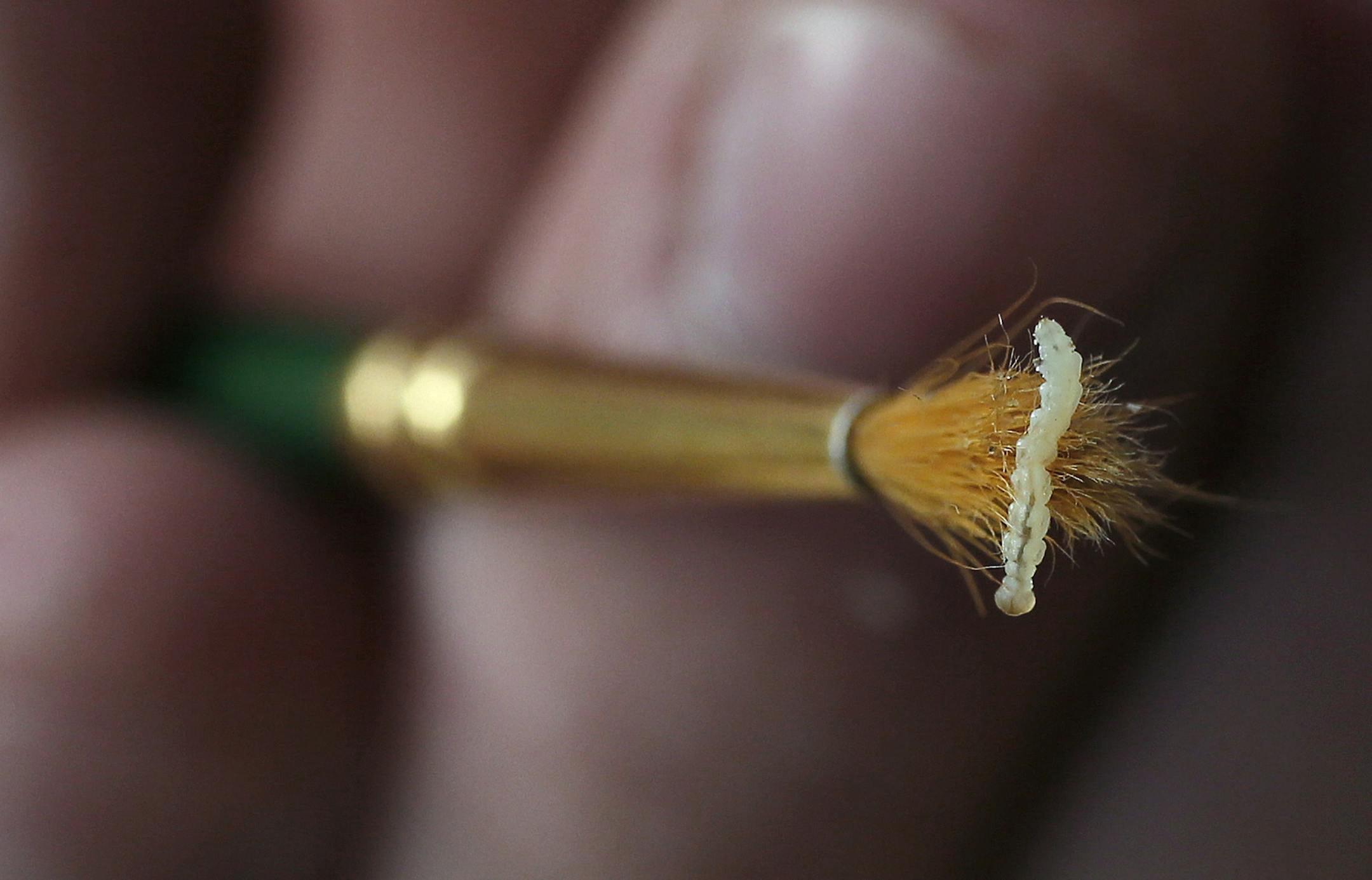
Even with a partial kill-off of the larvae, Minneapolis officials say the city still plans to remove 40,000 trees over the next eight years.
Even with a partial kill-off of the larvae, Minneapolis officials say the city still plans to remove 40,000 trees over the next eight years. (The Minnesota Star Tribune)
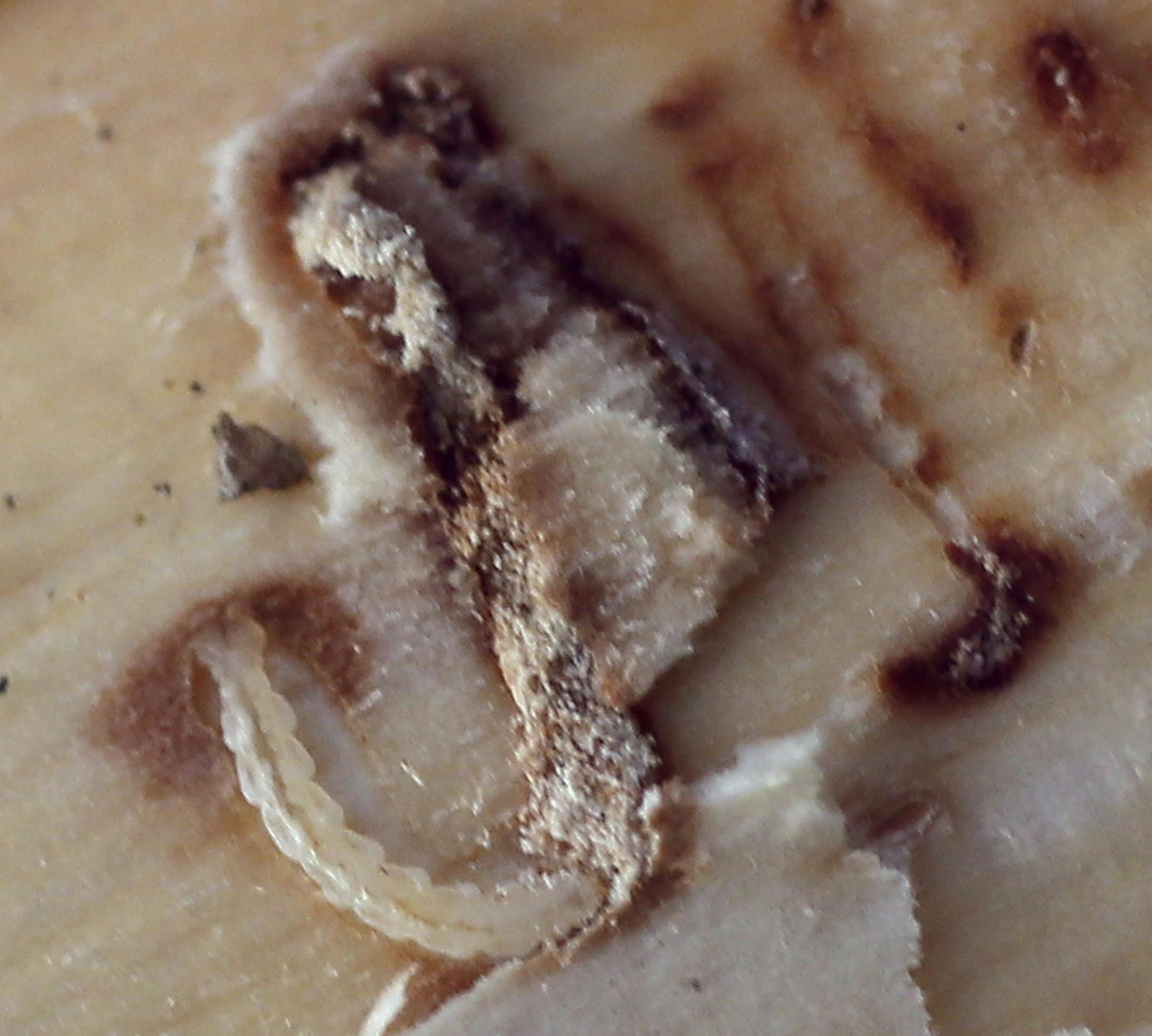
Larvae kill their host trees by severing tissues just under the bark. Above, the tell-tale signs.
Larvae kill their host trees by severing tissues just under the bark. Above, the tell-tale signs. (The Minnesota Star Tribune)
about the writer

about the writer

Bill McAuliffe, Star Tribune

More from No Section

See More
FILE -- A rent deposit slot at an apartment complex in Tucker, Ga., on July 21, 2020. As an eviction crisis has seemed increasingly likely this summer, everyone in the housing market has made the same plea to Washington: Send money — lots of it — that would keep renters in their homes and landlords afloat. (Melissa Golden/The New York Times) ORG XMIT: XNYT58
Melissa Golden/The New York Times

It’s too soon to tell how much the immigration crackdown is to blame.