

The Tampa Bay Buccaneers were on the verge of moving to Baltimore in the 1990s, but lobbying by owner Malcolm Glazer got a new stadium built. The Indianapolis Colts, playing in their old dome, also were serious about moving if a new building wasn't constructed.
"Well I'll tell you, it was difficult in both [situations] because it's a big investment," former Buccaneers and Colts coach Tony Dungy told me recently. "People don't want to be taxed to get the stadiums going. But both in Tampa and Indianapolis, it was so critical to having the teams stay and have success, what we did is find other things to do with the stadium, other ways that they could serve the community. I think that's what has to be done. But it's a struggle, but it's worth it when it finally gets done."
That certainly would be the case here if the Legislature could get the Vikings a stadium.
Dungy talked about how often Tampa's Raymond James Stadium and Indianapolis' Lucas Oil Stadium were used by the community, going well beyond the NFL games.
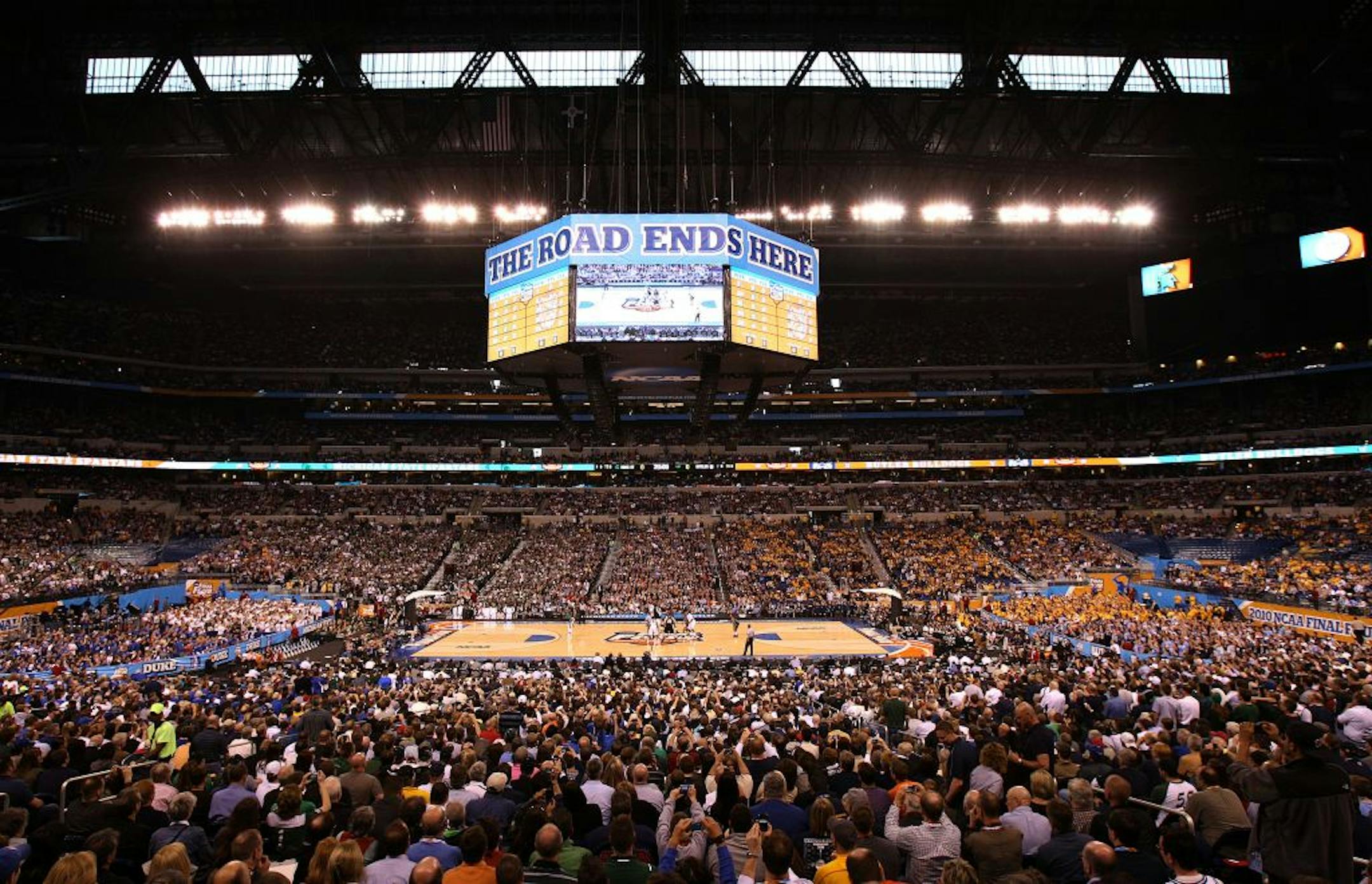
"That's what happens. We started winning in Tampa," the former Gophers quarterback said. "We were able to have other events there, concerts and different things. Same thing in Indianapolis -- Final Fours and different events, big concerts, and having the [NFL] combine there. It brings more than just the 10 football dates a year, and that's what you have to keep in mind.
"It'd be huge, and obviously you want to keep the team. The teams can't survive without it. It's one of the things that goes along with professional football."
One of the newest stadiums is Cowboys Stadium in Arlington, Texas, a building that already has played host to a Super Bowl and will have the 2014 Final Four. It has had some twice as many events as budgeted for when they were planning for the stadium.
Then you have New Orleans, where the heavily renovated Superdome played host to this year's Final Four and will have the 2013 Super Bowl.


