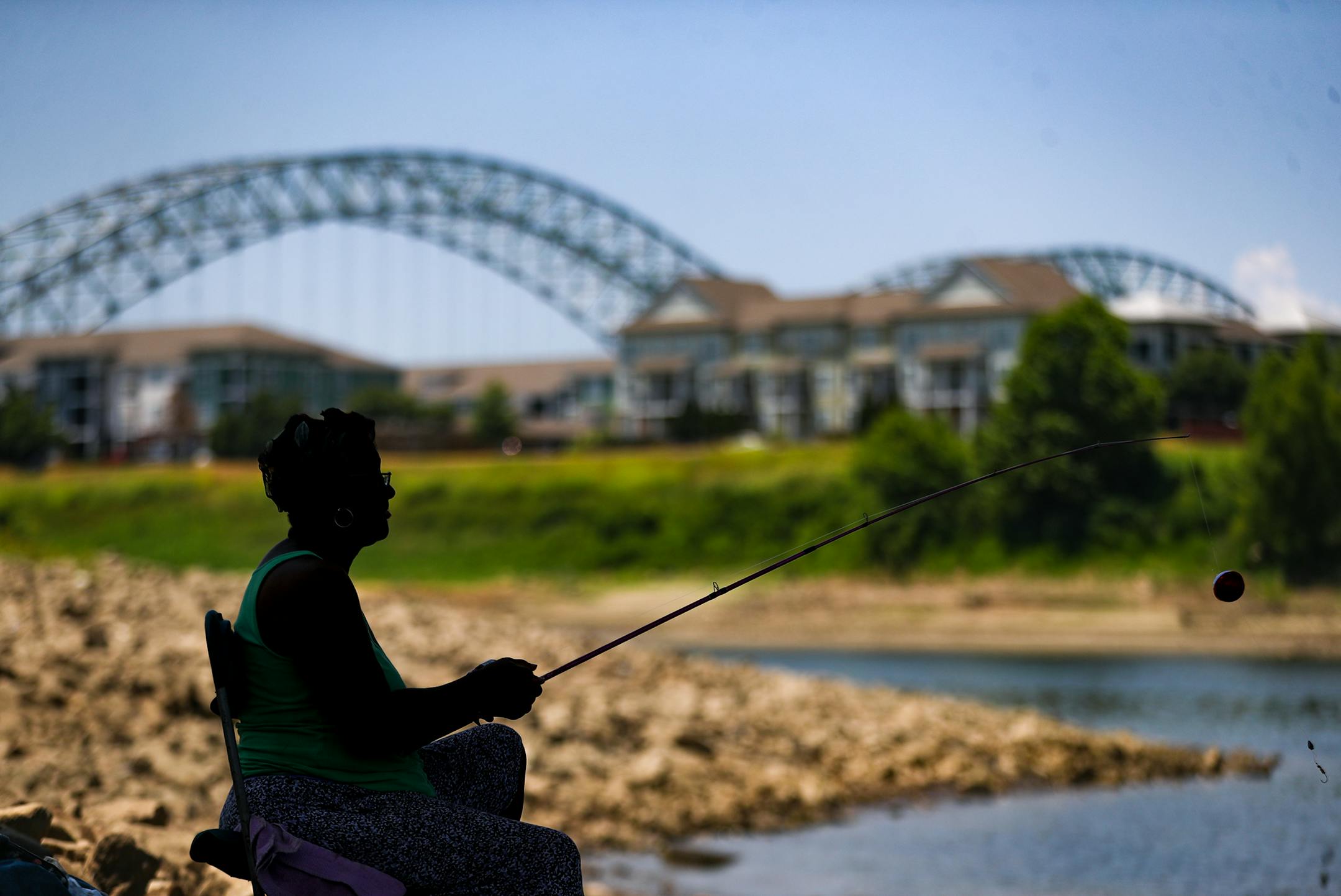
Danny Paccasassi, a lifelong Memphis resident, started fishing on the Mississippi River 40 years ago. Now he runs a fishing charter. But he rarely eats the fish he catches.
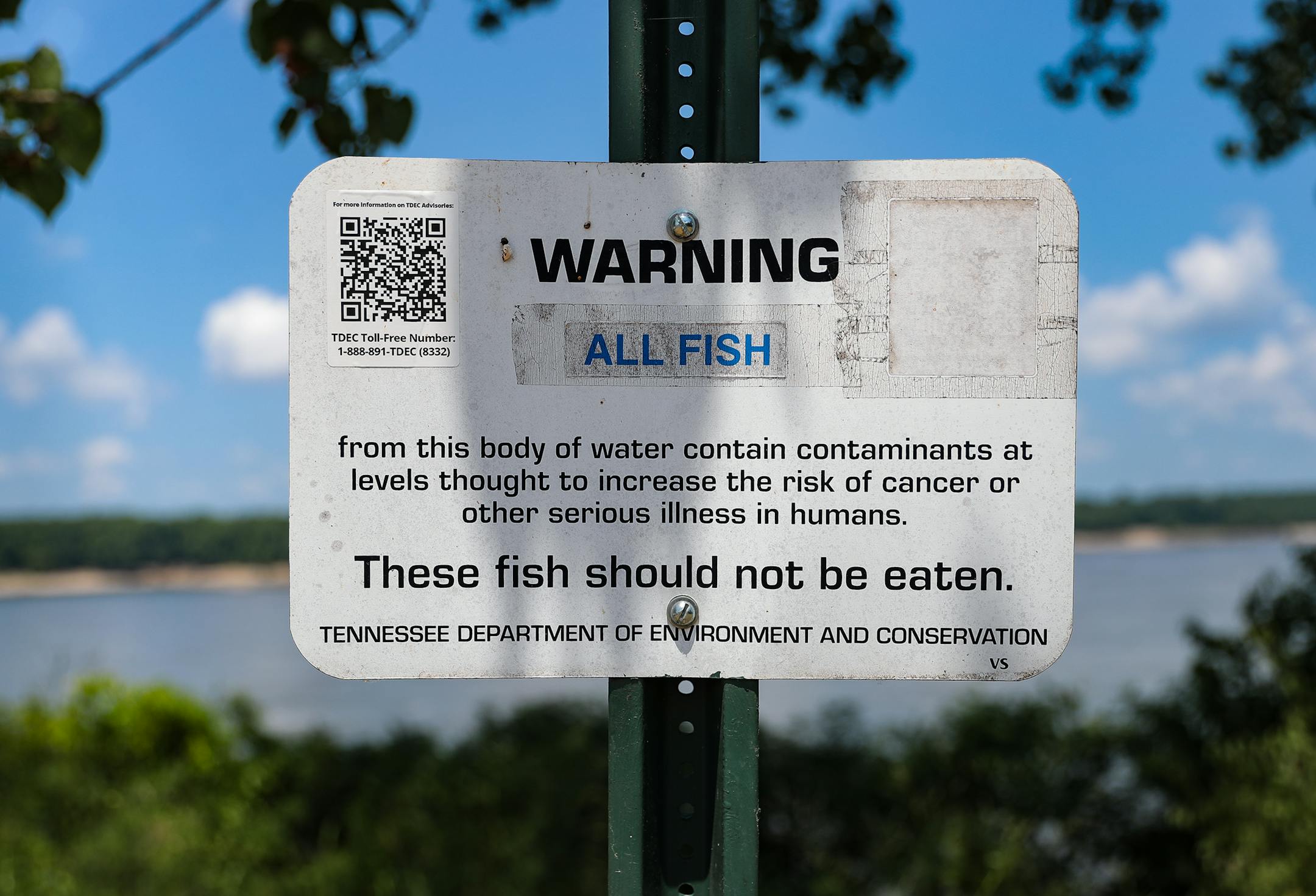
Fishers on the Tennessee side of the Mississippi River are told: don't eat the fish. They may contain high levels of methylmercury, chlordane and other organic contaminants. Methylmercury is associated with neurological, reproductive and immunological health, and perinatal exposure can hinder children's cognitive and psychomotor performance.
Just across the river in Arkansas, fishers will find no such warnings, even though it's the same water.
A "do not consume" advisory means consumption would threaten the general population, not just sensitive groups like children, pregnant women and those who eat a lot of fish – such as low-income subsistence fishers who rely on their catches for meals.
"They're not fishing for fun," Paccasassi said. "They're going to probably keep everything they catch."
There are tips for those who decide to eat the fish anyway: throw back the big ones, avoid fatty fish, wash them before skinning and fileting, broil or grill the fish and throw away the fat if the pollutant is an organic contaminant.
But even for the occasional fisher, Tennessee always advises against eating mercury-contaminated fish.
Fish consumption advisories are issued by states, so different agencies can offer conflicting advice along the Mississippi River, which forms a border between many states in the watershed. The Food and Drug Administration regulates commercially sold fish, but it does not claim jurisdiction over sport-caught fish.