

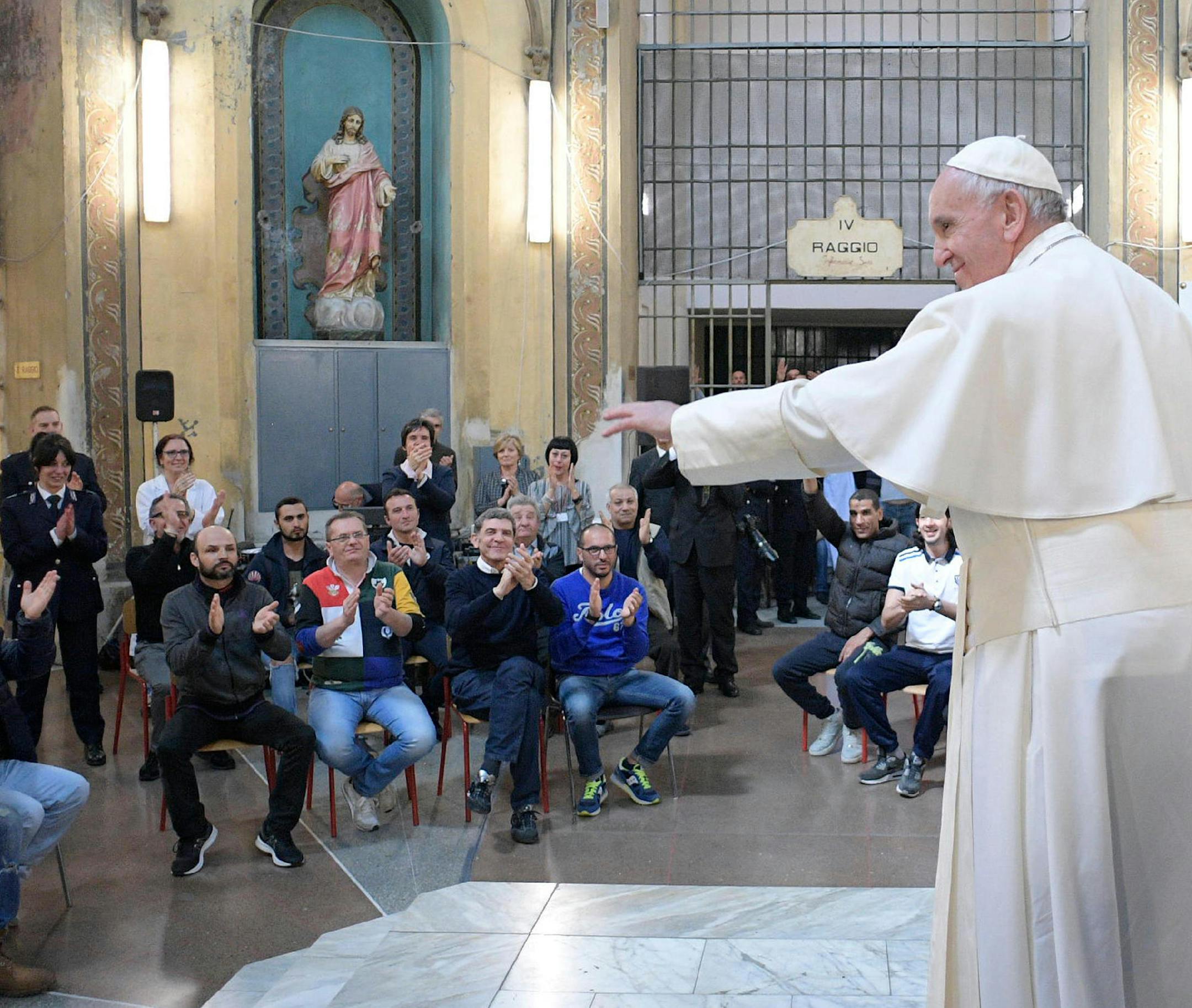
ST. PETERSBURG, Fla. – When Pope Francis raised the possibility of married priests this month, it naturally raised a question for some men.
What might have been? Consider Patrick J. Clarke.
He had been a well-liked priest at Espiritu Santo Catholic Church in Safety Harbor, Fla., in 1996, when someone sent a copy of his marriage certificate to then-Bishop Robert Lynch. Clarke, it turned out, had been secretly married for 15 years. Lynch gave him a choice: Leave the marriage or leave the priesthood. Clarke chose to stay with his wife.
Now 73, Clarke sounds like a man with no regrets. "I am happily married and am grateful for my experience both as a priest and husband, father and grandfather," he said. "I think the church would benefit from married clergy, but that is a decision for the Vatican."
Lionel Roberts, 91, had been a monk for 14 years in Trinidad when he sought and received dispensation from his vows. He had met Merlene, the woman he would marry, and they went on to have two sons.
Along the way, he was ordained a deacon in the Diocese of Brooklyn in 1977 and now is assigned to Blessed Trinity Catholic Church in St. Petersburg. Had the church's rules been different, he said, "I would have become a priest."
The pope's recent comments have people talking once again about the role of priests and the nature of their commitment. In an interview with a German newspaper, Francis said the church should "give thought" to the possibility of allowing married viri probati (men of proven virtue) to become priests, but made clear he would not open the priesthood to all married men.
"We then also need to determine which tasks they could take on, such as in isolated areas, for example," he said.


