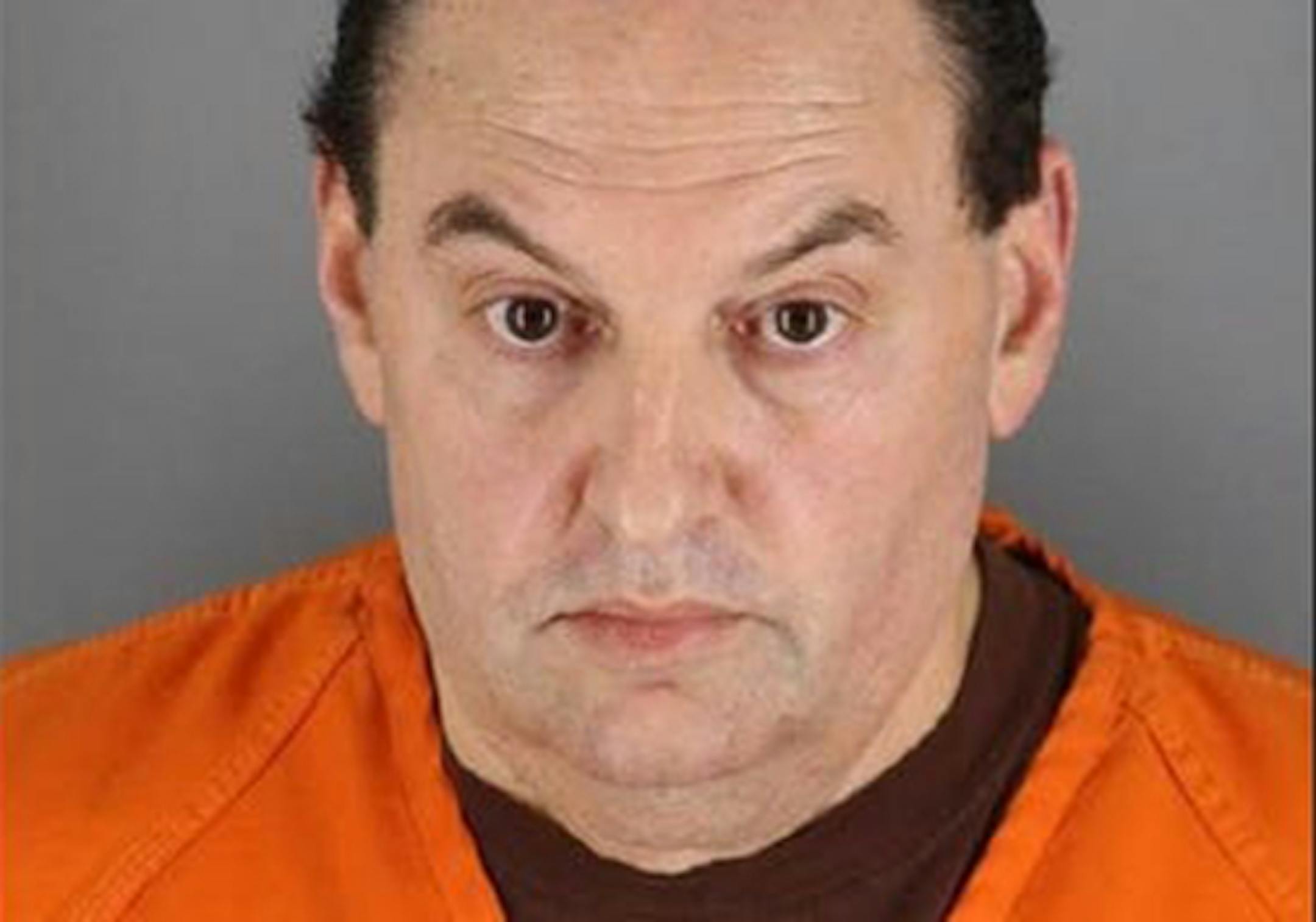
The brutal stabbing death of Jeanne Childs in her Minneapolis apartment 25 years ago seemed destined to remain a mystery.
But when investigators recently tapped one of the popular genealogy sites used by millions of people to track their ancestry, they finally hit on a lead to crack the cold case and charge an Isanti, Minn., businessman with murder.
It's an innovative investigative tool increasingly used by law enforcement nationwide to solve heinous crimes, but one that critics say raises ethical issues around privacy and constitutional rights.
The growing popularity of genealogical websites such as AncestryDNA, which claims to have more than 10 million users, means it won't be long before all Americans could be reachable through one of these consumer databases, even if they did not submit their own DNA samples, said Natalie Ram, an assistant law professor at the University of Baltimore who has studied and written about genetics for the past 15 years.
"It's undoubtedly a good thing to solve serious violent crimes," Ram said. "But the American system of criminal justice represents a balancing act between privacy of people in the United States and the power of the police to use whatever means they want to solve a crime."
Ram believes that using familial genetic identification violates the genetic privacy of people who haven't shared it on an open platform or had their DNA profiles entered into a national or state database because they were criminally convicted or arrested.
It's a difficult position to take, Ram added, because she and other critics acknowledge the value in solving violent crimes.
"But it's principled and a right position," she said.