6:49
6:49A cop lay dying at the hands of Tim Eling.
The former Marine had botched yet another pharmacy robbery, escaping after a gunfight with police officer Richard Walton. Now, bleeding from a gunshot to the leg, Eling lay holed up at a relative's house in St. Paul, drifting in and out from a heavy dose of painkillers.
His brother-in-law walked in and dropped the morning newspaper.
"The guy's dead," he said in disgust. He left Eling to read about the trail of grief he had blazed at Mounds Park Hospital in St. Paul the night before.
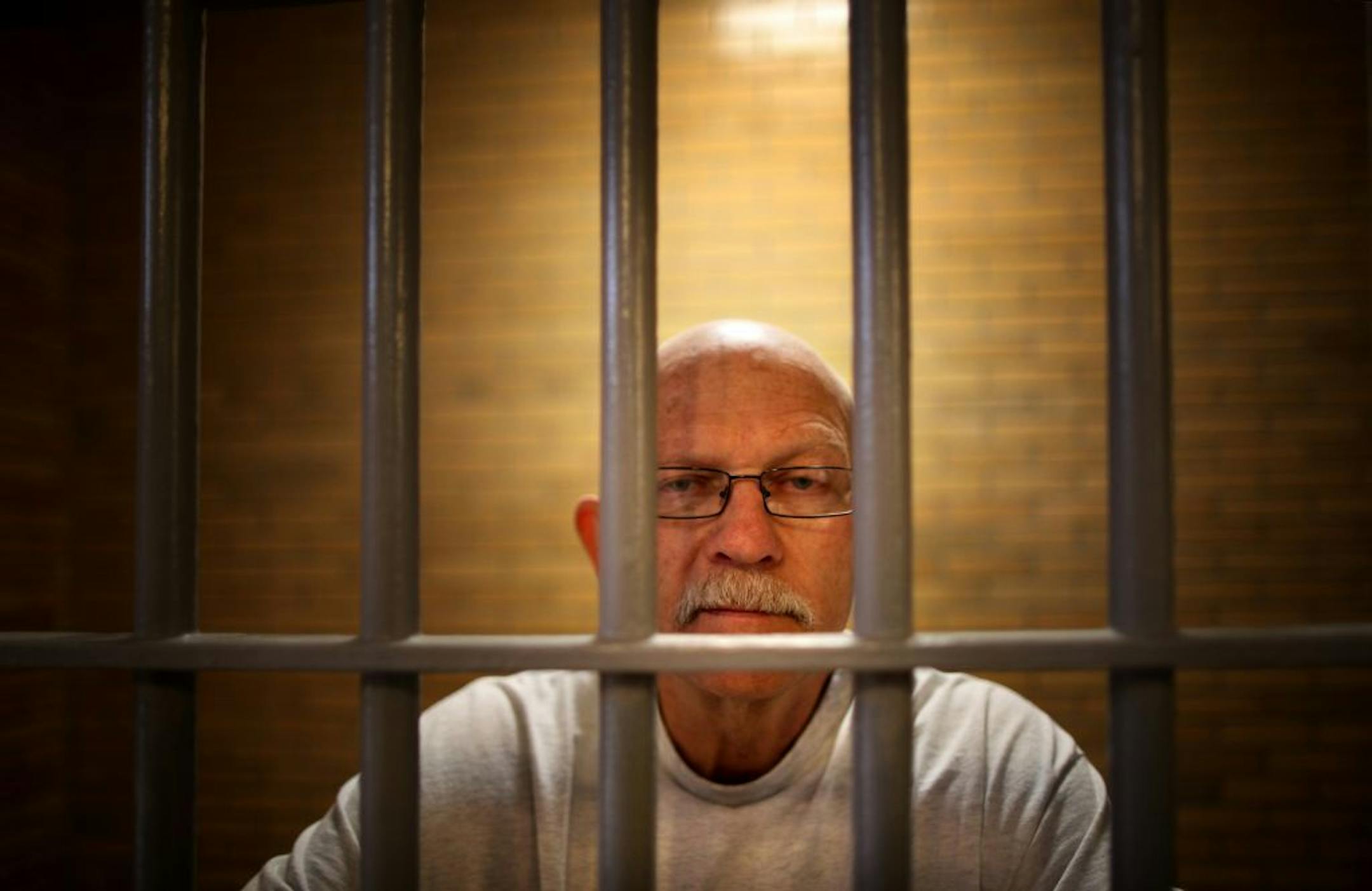
Today, 29 years later, Eling still walks the corridors at the Stillwater prison. A former drug addict and a first-degree murderer, he learned last week that his life sentence has been brought to an end with an extraordinary parole decision by state Corrections Commissioner Tom Roy. Corrections officials say they cannot recall the last time a first-degree murderer of a police officer was granted a parole.
Roy's decision has triggered an emotional debate over justice and forgiveness that has quickly spread to the State Capitol. On Friday, the Legislature's top Republicans, Sen. Amy Koch and Rep. Kurt Zellers, sent a letter to Gov. Mark Dayton protesting the parole and calling for legislative hearings.
When Eling was sentenced in 1982, a prisoner sentenced to life became eligible for parole after serving 17 years. In 1993, the Legislature changed the law to require life imprisonment without parole for anyone convicted of killing a police officer. Minnesota is now among at least 30 states that require mandatory life sentences or death for anyone convicted of murdering a police officer.
The state's largest organization of police officers not only opposes parole for Eling, it says that cop killers deserve capital punishment.