Shop your house first when you want to redecorate

A careful editing of pieces you already own frees up money for new accessories.

Tribune News Service
November 21, 2015 at 8:00PM
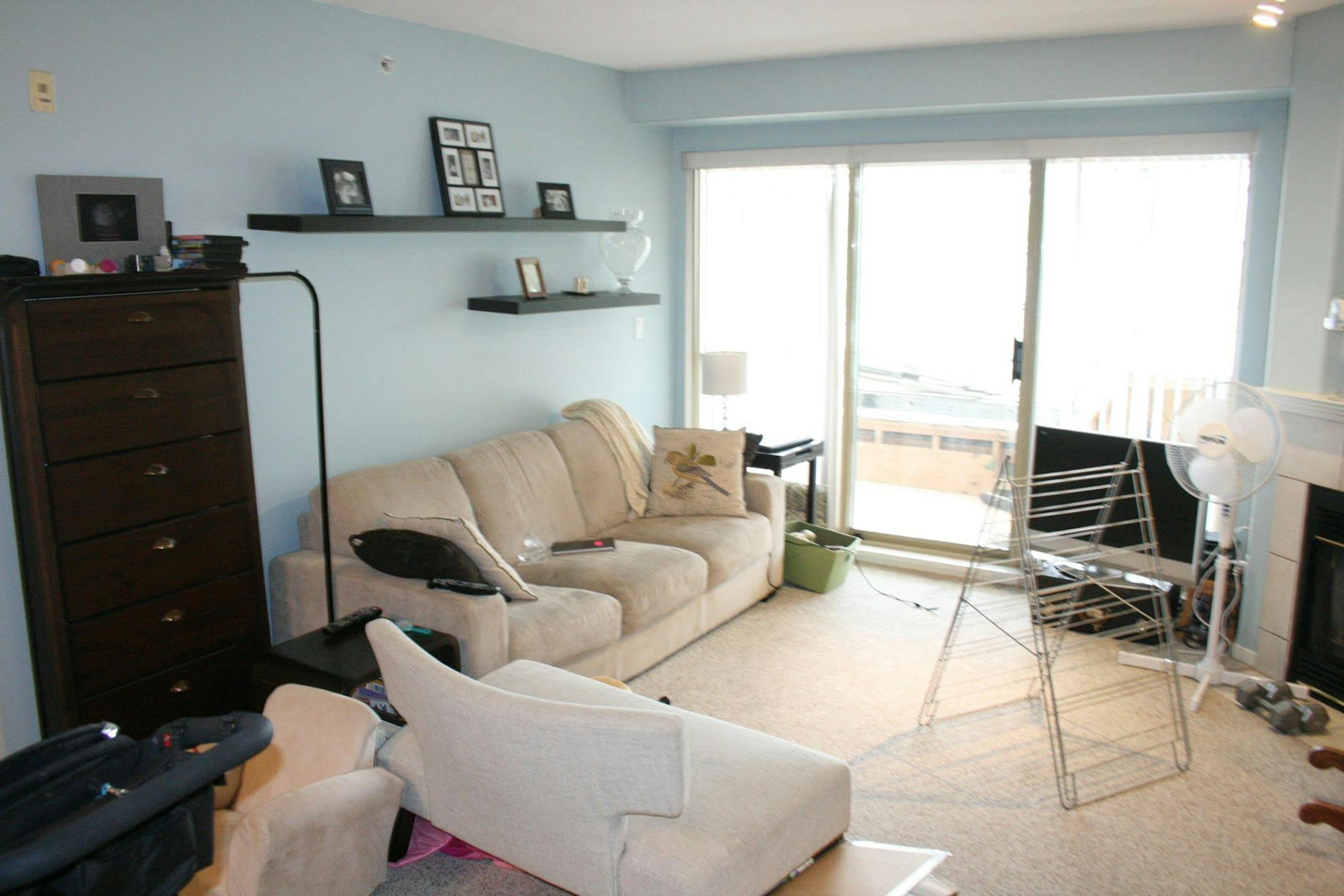
To create a repurposed design solution for your home, edit out all of the unnecessary items, such as excess furniture, clothing, books and other items. (MCT) ORG XMIT: 1156742
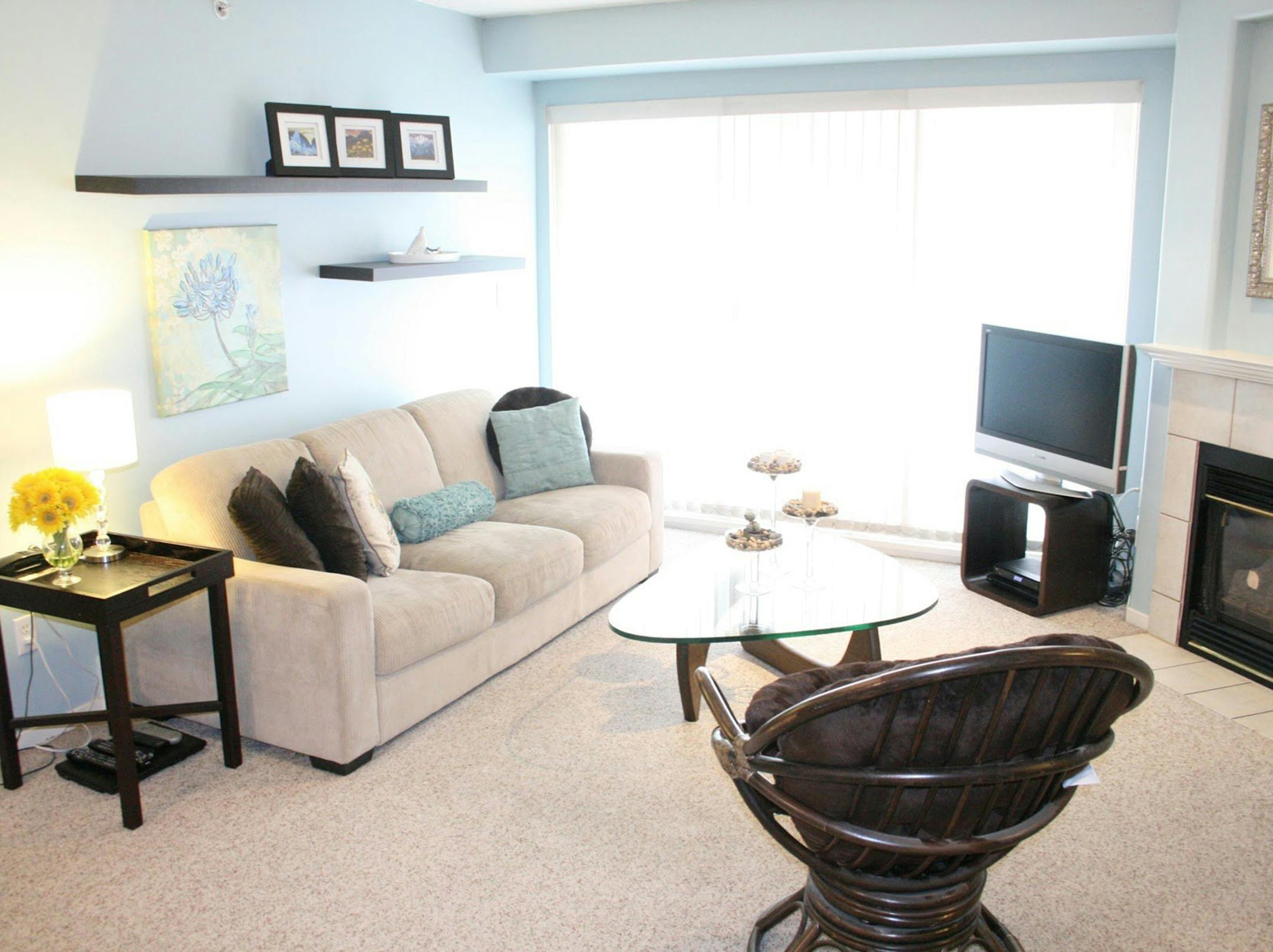
Above:  To create a repurposed design solution for your home, edit out all of the unnecessary items, such as excess furniture, clothing, books and other items. Left:  Accessories such as toss pillows, vases and throws add a finishing touch to a space. (The Minnesota Star Tribune)

When decorating your home, it isn't about how much money you spend, but about creating an appealing environment that reflects your personality and the way you live. While heading to the nearest boutique or big-box store can be an exhilarating thrill, before you pull out that credit card, consider the more economical approach of shopping your house.

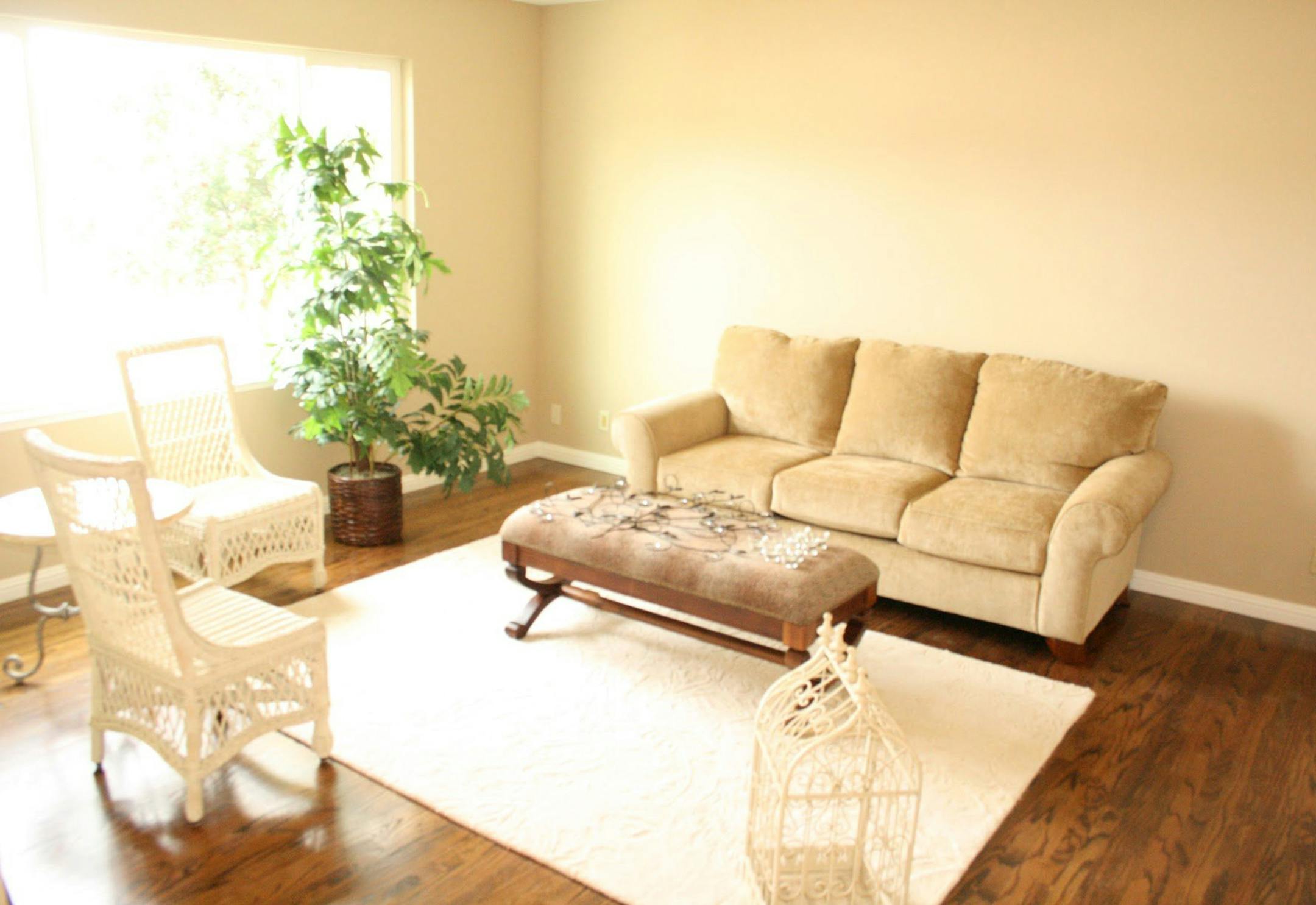
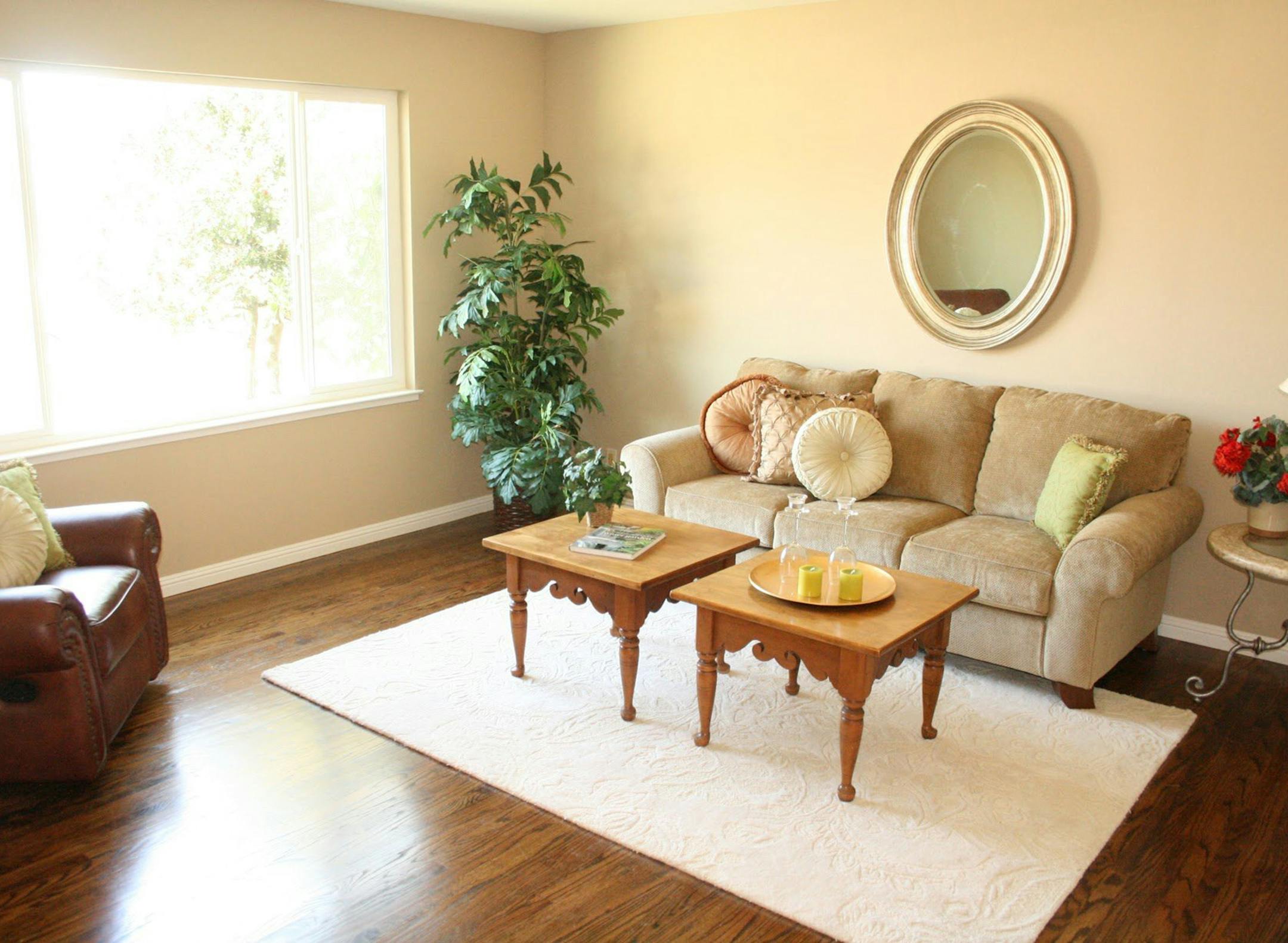
Shopping your house not only saves money, but can be an opportunity to refresh and renew items you already own. To create a repurposed design solution for your home, edit out all of the unnecessary items, such as excess furniture, clothing, books and other items.

Start shopping

There is an art to choosing the right pieces for your home. Good design isn't just about buying a bunch of furniture and tossing it into a room. Before you begin to shop your house, create a floor plan. This invaluable planning tool will serve as your design road map.

Shop your house for primary pieces such as sofas and beds, knowing that about a third of your redesign budget may be needed to purchase affordable accessories. Accessories such as toss pillows, vases and throws add a finishing touch to a space.

Create a color palette

An ideal color palette consists of at last three colors. In using color, look to create the ideal color balance, using 60 percent of a primary color, 30 percent of a secondary color and 10 percent of an accent color. After selecting furniture and accessories that relate to this ideal color mix, use a technique called color mapping, which makes a room feel more cohesive by repeating or mapping a particular color or colors throughout various parts of a space.

To successfully shop your house, here's my design recipe:

• Pack away all unnecessary furniture and accessories.

• Create a floor plan.
• Shop the house for your large items first.

• Select pieces that coordinate, but do not necessarily "match."

• Fill in rooms with art and accessories.

• Incorporate color.

• Step back and evaluate.

• Edit if necessary.


Accessories such as toss pillows, vases and throws add a finishing touch to a space. (MCT) ORG XMIT: 1156742
Accessories such as toss pillows, vases and throws add a finishing touch to a space. (The Minnesota Star Tribune)
A den space before a "shop your house" redesign. (MCT) ORG XMIT: 1156742
A den space before a “shop your house” redesign. (The Minnesota Star Tribune)
Color mapping is a technique that makes a room feel more cohesive by repeating or "mapping" a particular color or colors throughout various parts of a space. (MCT) ORG XMIT: 1156742
Above:  A den space before a “shop your house” redesign. Left:  Color mapping is a technique that makes a room feel more cohesive by repeating or “mapping” a particular color or colors throughout various parts of a space. (The Minnesota Star Tribune)
about the writer

about the writer

Cathy Hobbs

More from No Section

See More
FILE -- A rent deposit slot at an apartment complex in Tucker, Ga., on July 21, 2020. As an eviction crisis has seemed increasingly likely this summer, everyone in the housing market has made the same plea to Washington: Send money — lots of it — that would keep renters in their homes and landlords afloat. (Melissa Golden/The New York Times) ORG XMIT: XNYT58
Melissa Golden/The New York Times

It’s too soon to tell how much the immigration crackdown is to blame.