

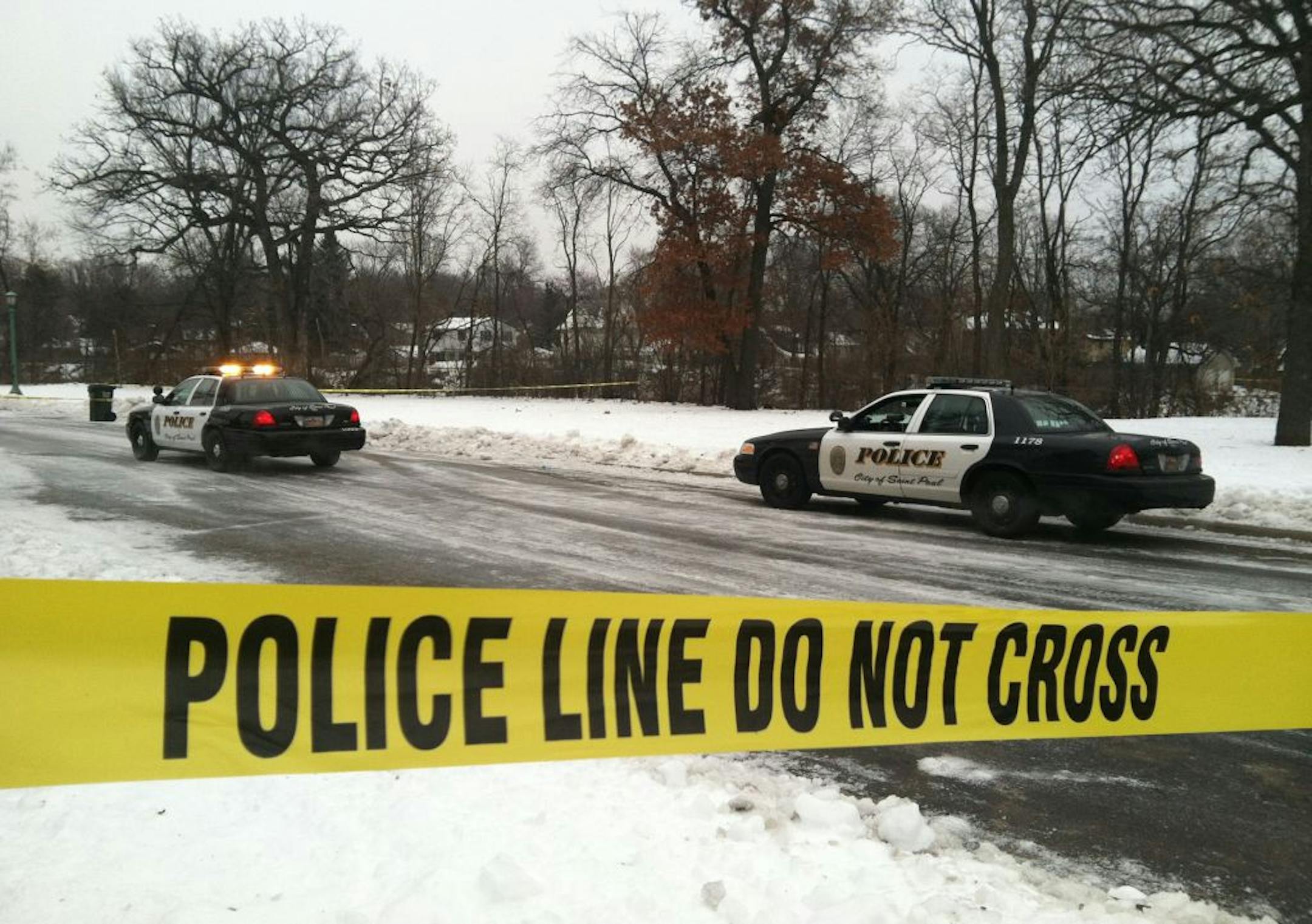
In a matter of months last year, St. Paul police officers shot and killed three civilians, an unprecedented occurrence for the city, while seven other people were fatally shot by other Minnesota law enforcement officers by year's end.
Officer-involved shootings, called "critical incidents" in law enforcement language, can draw intense media and public scrutiny. But an untold story is that the trauma often unmoors officers in dramatic and life-changing ways, driving some to alcoholism, divorce, early retirement and even suicide. A culture of silence and toughness means many suffer quietly for decades, while some manage through years of therapy.
The number of incidents in St. Paul led to a 35 percent increase in use of the department's Employee Assistance Program because they dredged up "emotional residue" from previous experiences, said St. Paul Sgt. Constance Bennett, EAP director.
"You can feel it," Bennett said of the collective impact. "It's a weight. When you have critical incidents like that, especially back-to-back, a department ... gets taxed emotionally, physically."
Most officers never expect to find themselves in the position of killing someone, said a metro-area officer who was involved in a fatal shooting several years ago. The officer agreed to speak about his experience on the condition of anonymity in hopes it would foster understanding.
"Your mission is usually helping people, and so if you do have to take someone's life or even just shoot them, number one, it's going to be very close quarters usually ... and number two, immediately upon shooting someone you're going to have to render aid to them," he said. "So you have a very quick dichotomy within a few seconds after trying to kill someone and then trying to save them."
The incident haunted him. He erupted in anger over simple things -- his children misbehaving, minor household maintenance problems. Noise suddenly induced anxiety. He physically shook on the way to some calls. Complaints against him for unprofessional behavior and use of force piled up in the years after the shooting.
PTSD diagnosis


