

Climate change has become "everybody's crisis," President Joe Biden declared as he inspected Hurricane Ida damage last week. And in fact, according to a Washington Post analysis, just this summer nearly one out of three Americans experienced a weather disaster.
This alarming pattern will likely worsen unless aggressive climate-change mitigation is soon implemented. Which is why the Biden administration is committed to decarbonizing the electrical grid, among other measures.
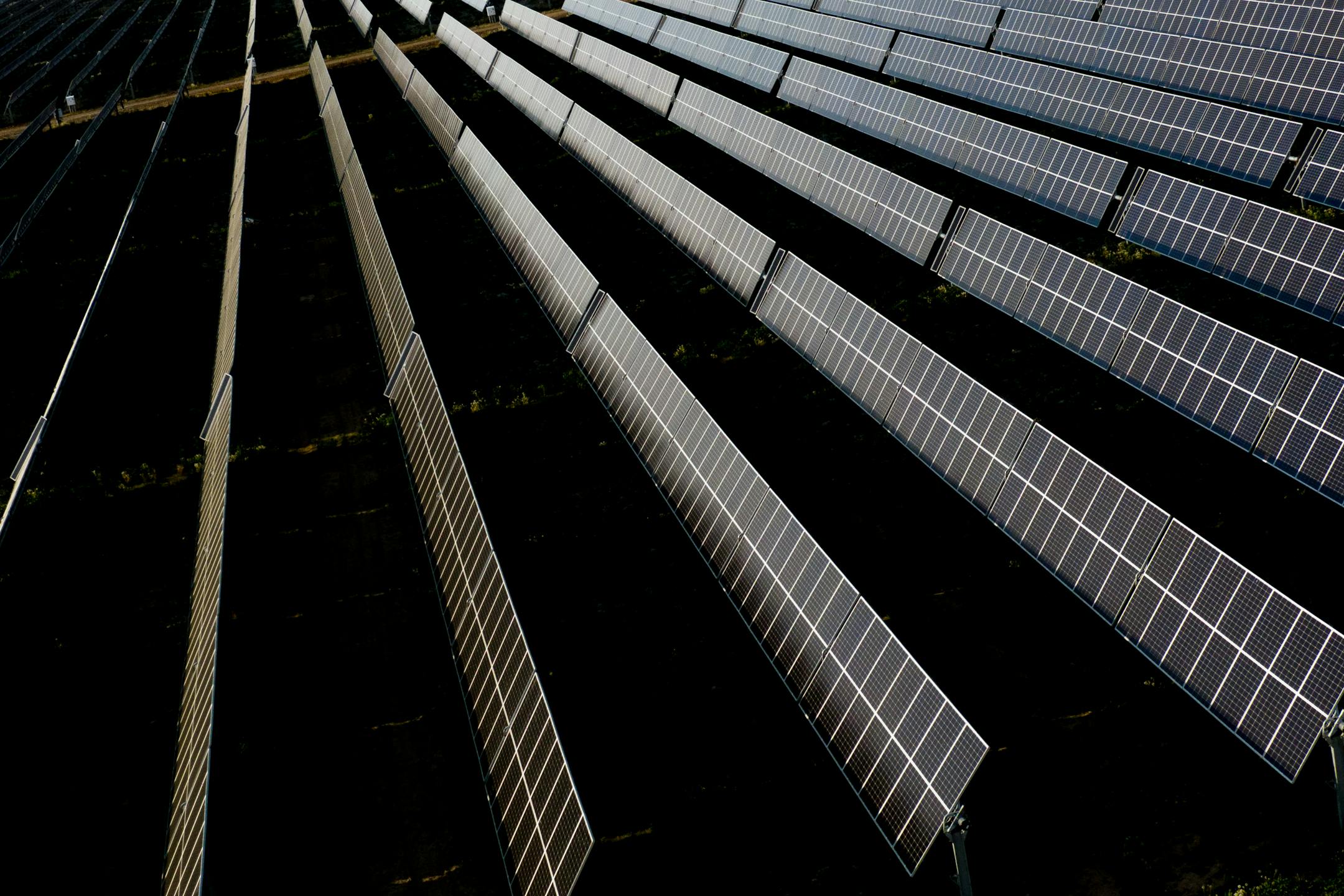
Doing so will require thinking big. Or really big, in the case of a U.S. Department of Energy "Solar Futures Study" released last week. The DOE contends it's possible to increase the role of solar power in producing electricity from the nearly 4% today to 44% by 2050.
Nearly half the nation's electricity from the sun? Sounds great, of course, even if what's possible isn't necessarily what's plausible.
Solar power is already hitting record installation rates, with 2020 seeing an increase of 15 gigawatts for a total of 76 produced in the U.S., according to the DOE report. But getting to the ambitious 44% goal would require doubling that installation rate annually between now and 2025 and then doubling it again annually from 2025-2030.
That would require huge investments from both the public and private sectors — up to $562 billion, according to the analysis. But the return in carbon emissions and improved health quality would result in savings of $1.1 trillion to $1.7 trillion, the report states.
Significant technological innovations also would be needed, particularly in storage capacity and transmission lines. That's especially critical because the percentage of vehicles and manufacturing processes switching to electricity is set to increase significantly as well, Daniel Cohan, an associate professor of civil and environmental engineering at Rice University, told an editorial writer.
Cohan is an advocate of solar energy, but said the goal of decarbonizing the grid is best approached by not targeting a specific percentage from a specific source, especially as energy technology continues to evolve.


