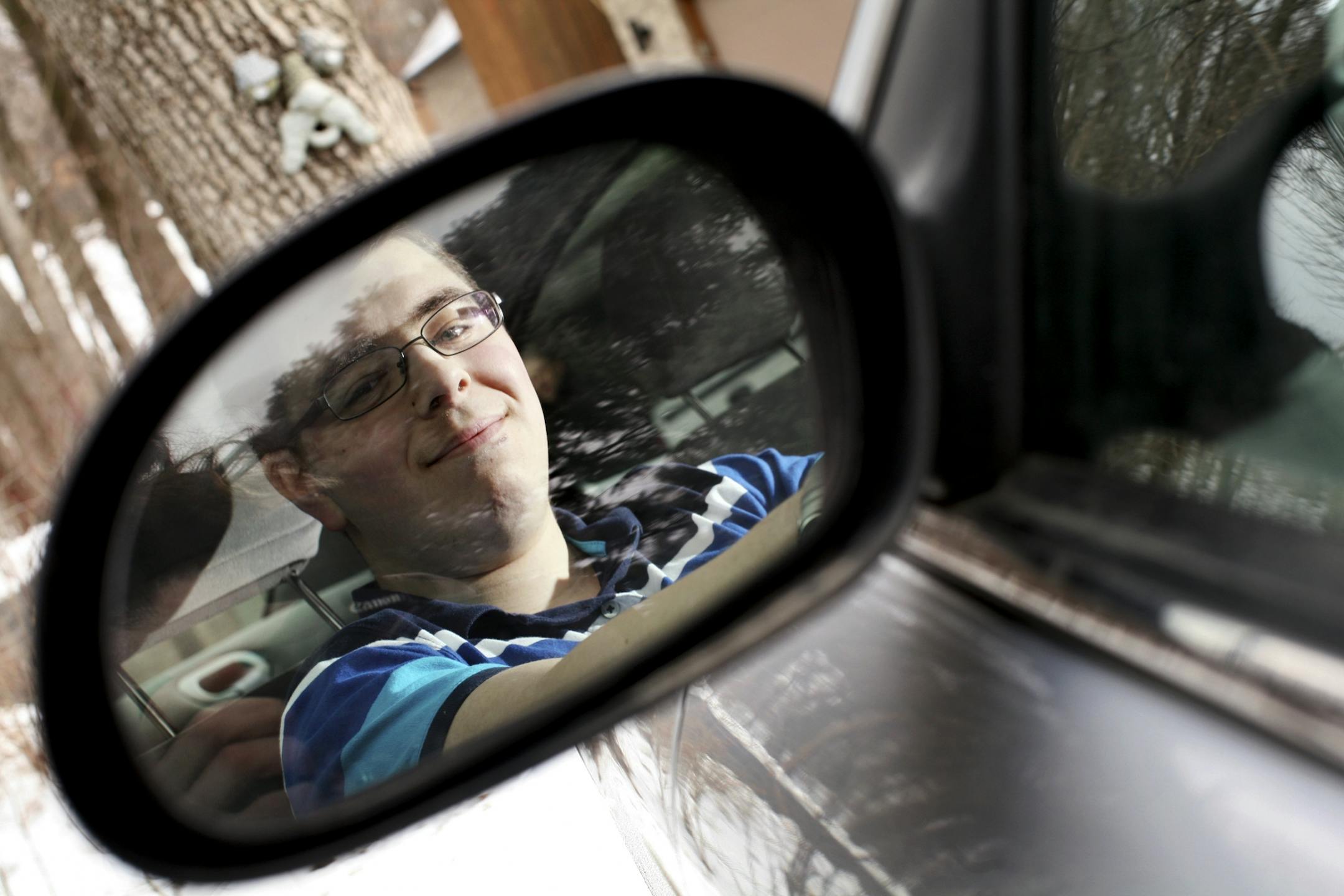
Like many young men counting down the days until they can drive, David Hastings has March 15 circled in red: It's the day he takes his behind-the-wheel driver's test. Is he confident he'll pass the test? "Yes, I am," he announced firmly.
Hastings had to master more than the usual challenges to get to this point. For one thing, he's 22, not 16. And he has autism.
Traditional driver's education classes haven't worked well for him.
But now that he's studying to be a graphic designer, he figures he needs a car for independence. He's determined that his form of autism, Asperger's, won't stop him from achieving either goal.
"It's an integral step to his becoming independent," said his father, Tom Hastings, who agreed that David needed to get his driver's license. "Initially he wasn't interested in driving. But he's gotten to the age where he realizes that in another year, he's going to graduate and, hopefully, get a job, and he needs to be able to get where he needs to go."
Hastings is a graduate of Courage Center's driving program. He tried taking a regular driver's ed course, but he struggled with it. "The guy couldn't tell me what I was doing wrong," he said.
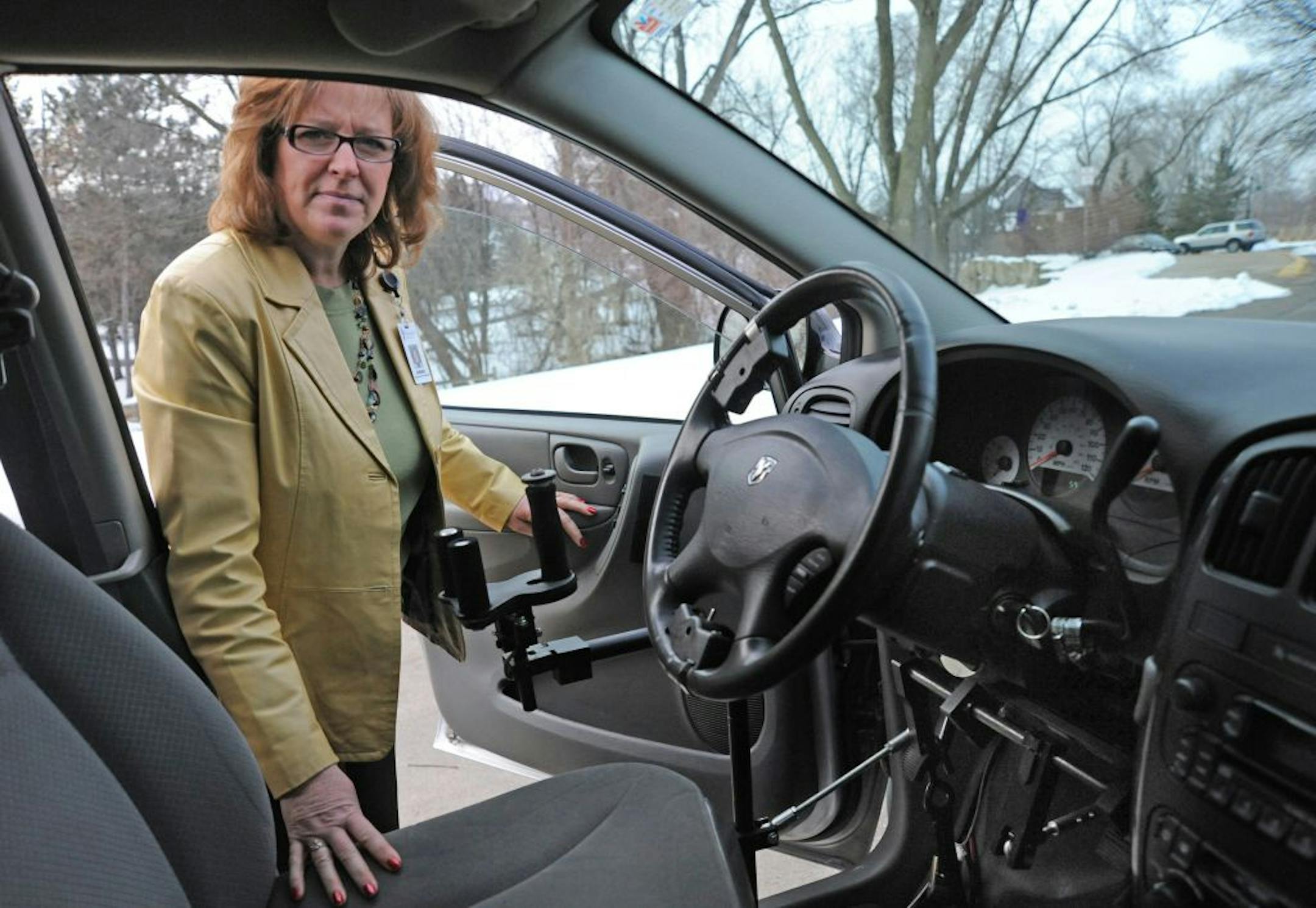
That news of a communication problem didn't surprise Connie Shaffer, director of the Golden Valley center's program, which deals with students facing a wide range of physical and developmental issues. People with learning disabilities often need a different form of instruction, she said.
"You can't just say, 'Go up to the corner and make a right turn,'" she said. People with autism "don't process information the same way.