1:46
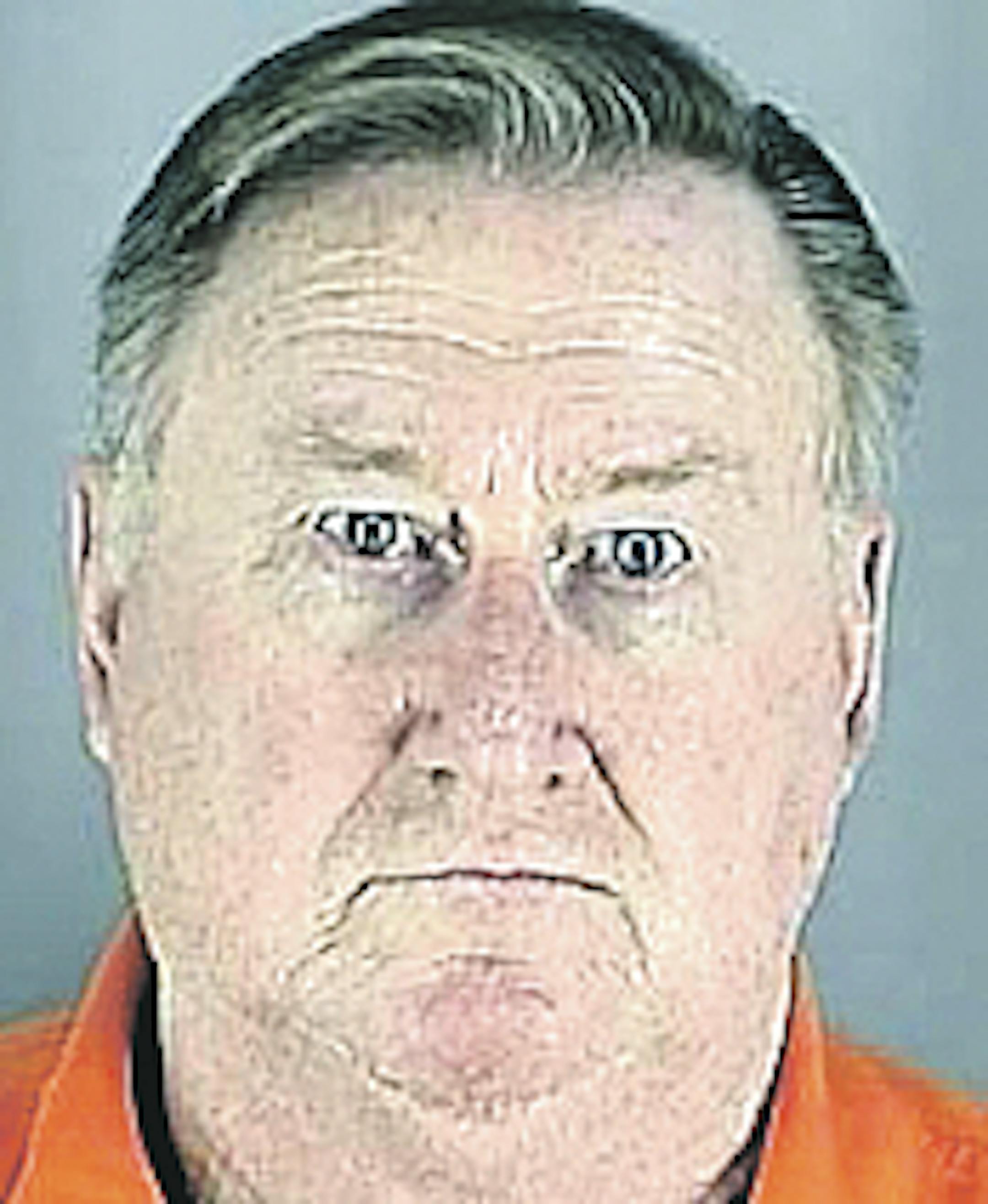
1:46The gun that Raymond Kmetz used to wound two New Hope police officers before hw was fatally shot by other officers was illegally channeled to Kmetz by a straw buyer, Hennepin County Sheriff Rich Stanek said Friday.
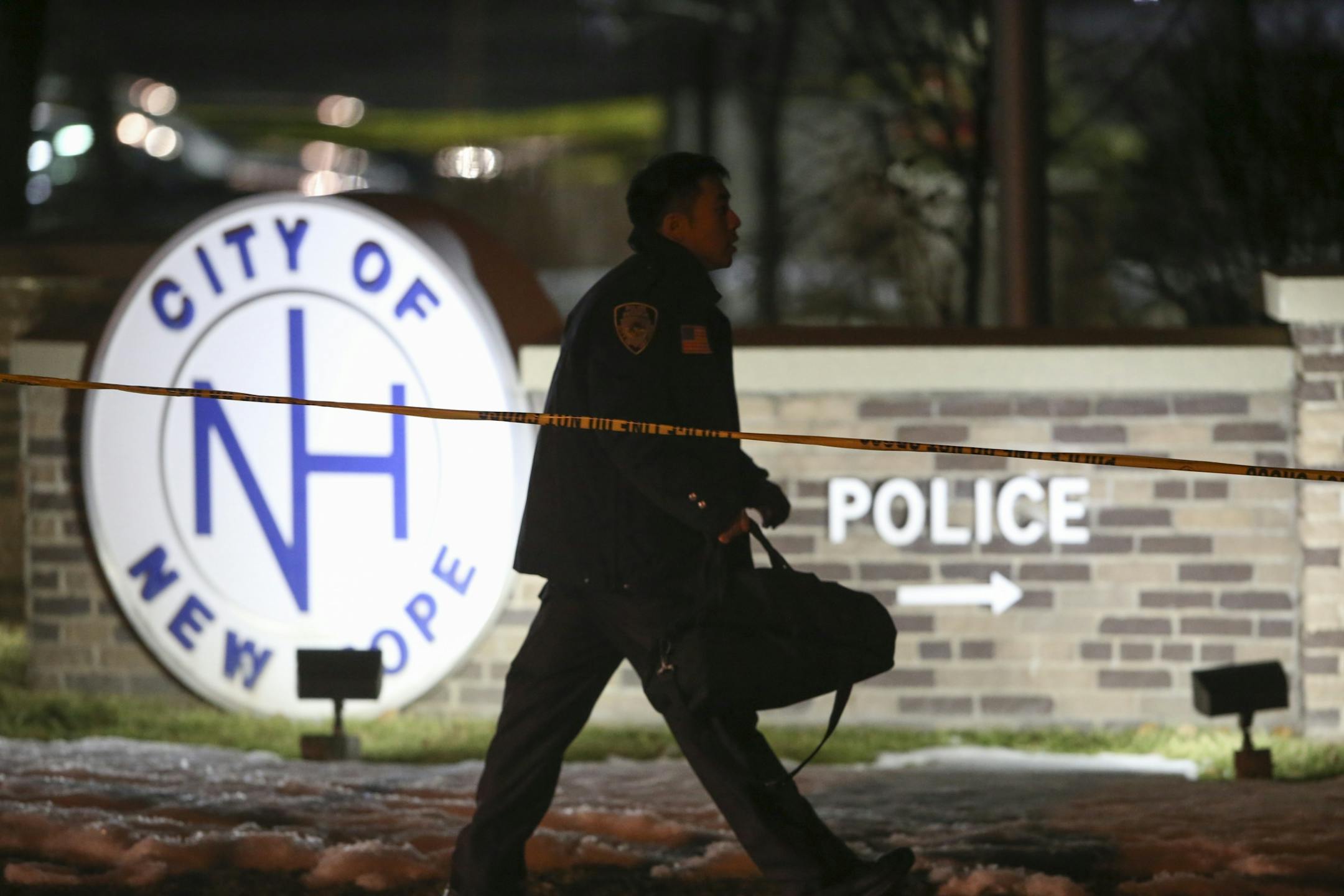
Kmetz, 68, of Belle Plaine, was killed Monday night at New Hope City Hall after he opened fire with a Stoeger "pistol-grip" shotgun.
Kmetz would not have been able to legally buy firearms because of a history of court-ordered civil commitments for mental health issues. He had tried to buy guns in the past, but had failed the required background checks, authorities say.
Investigators also found two other shotguns — a Mossberg 500 and a Yimeng — in Kmetz's car in the City Hall parking lot, Stanek said. The serial numbers on all three guns had been shaved off, but Hennepin County crime lab technicians were able to restore them. They found that the guns had come from the Duluth Police Department, which had confiscated them.
In mid-July, that department sent them to K-Bid of Maple Plain, an online auction site with which it contracts. On Aug. 21, Kmetz put in a bid and bought all three guns for $675.22, Stanek said.
Federal law requires that every gun bought online be shipped to an "FFL" — a federal firearms licensee clearinghouse. The three guns were sent to an FFL in Princeton, Minn., called the Full Metal Gun Shop. A 42-year-old man from Golden Valley who was an acquaintance of Kmetz picked up the guns, Stanek said. A background check was done on him. Documentation for the gun transfer shows the names of both Kmetz and the alleged straw buyer.
Troy Buchholz, owner of the gun shop, said in a phone interview Friday night that he questioned the buyer about why Kmetz's name was on the K-Bid auction form. The buyer told him he had used that name to protect his privacy online.
Buchholz ran a background check on the straw buyer, which came back with no problems. On the form, the buyer checked a box that said he was buying the guns for himself. He was alone, didn't appear to have been coerced into buying the guns and paid for them, Buchholz said. Everything appeared legal.