

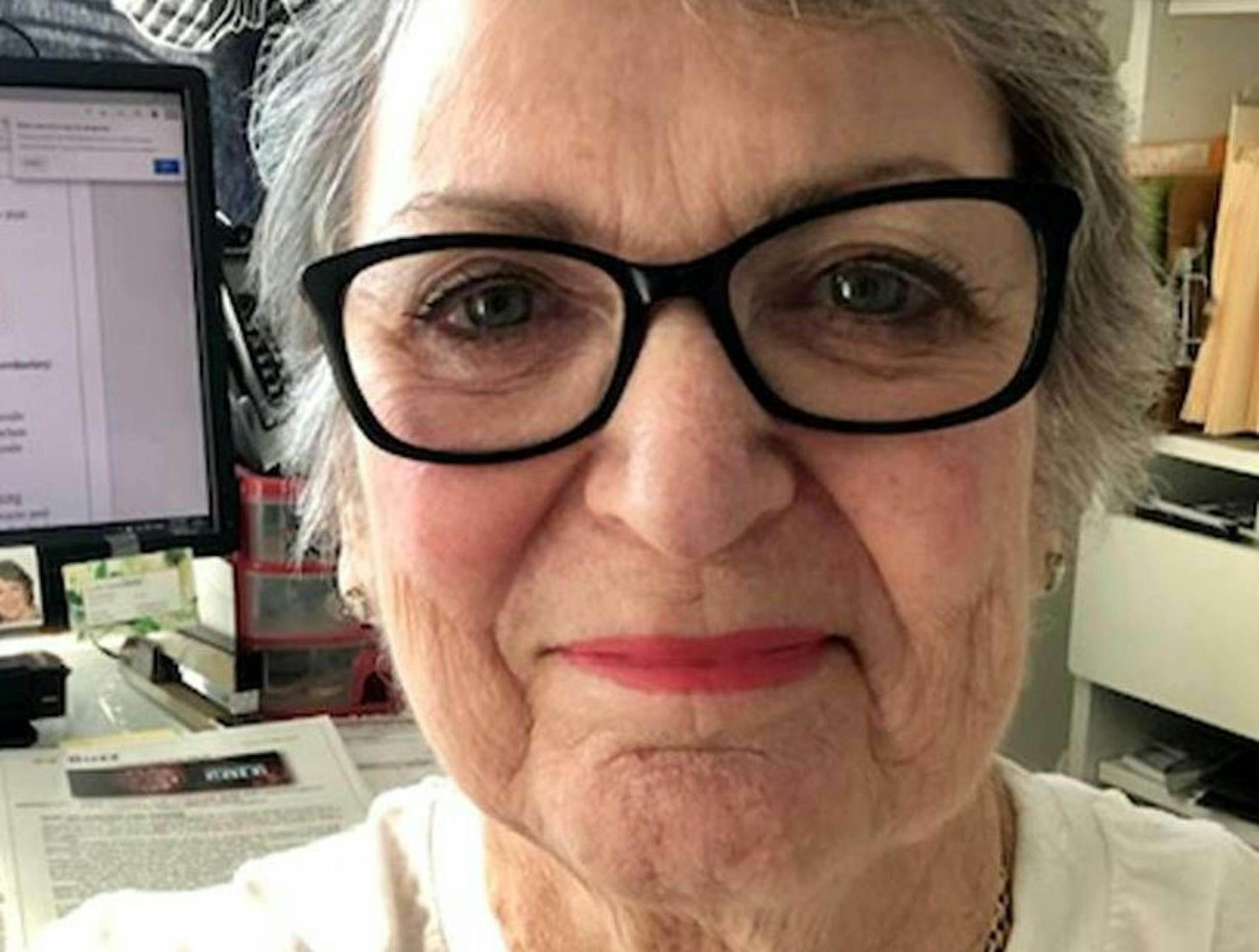
In March 2020, Diana Wiener knew that COVID-19 was present in the Five Star Premier Residences of Yonkers, N.Y., an independent living community where she lives with her husband. But Wiener, 80, was not happy about how the management was communicating with residents about the virus.
"We were told to stay in 'our rooms,' like we live in a dormitory!" Wiener recalled. "I pay $6,000 a month. I have an apartment. I don't live in a dormitory."
But more troubling was not knowing which of their neighbors (or building employees) might be sick with COVID-19. And as some residents vanished, Wiener didn't know if they had died or simply gone to live with relatives.
Wiener wasn't just being nosy. It was a matter of health. "We wanted to know," she said. "If my neighbor has COVID-19, I want to know, and I'm entitled to know."
Citing HIPAA (Health Insurance Portability and Accountability Act) laws, the building's management team refused to reveal who was sick or who had died.
According to Wiener, "This place had 13 deaths in the first two weeks of April. No one knew anything. We still don't know their names, which to me is criminal."
So, she decided to start The Buzz, a newsletter that would keep people informed about the building and give them reliable news and information about the pandemic. When she contacted the building's executive director to tell him of her idea, she says he told her: "Don't do it. You're going to upset everyone. They can't understand it all."
This infuriated her.


