

An inspector general report at the Pentagon concluded in 2013 that its computer systems were dangerously vulnerable to hackers.
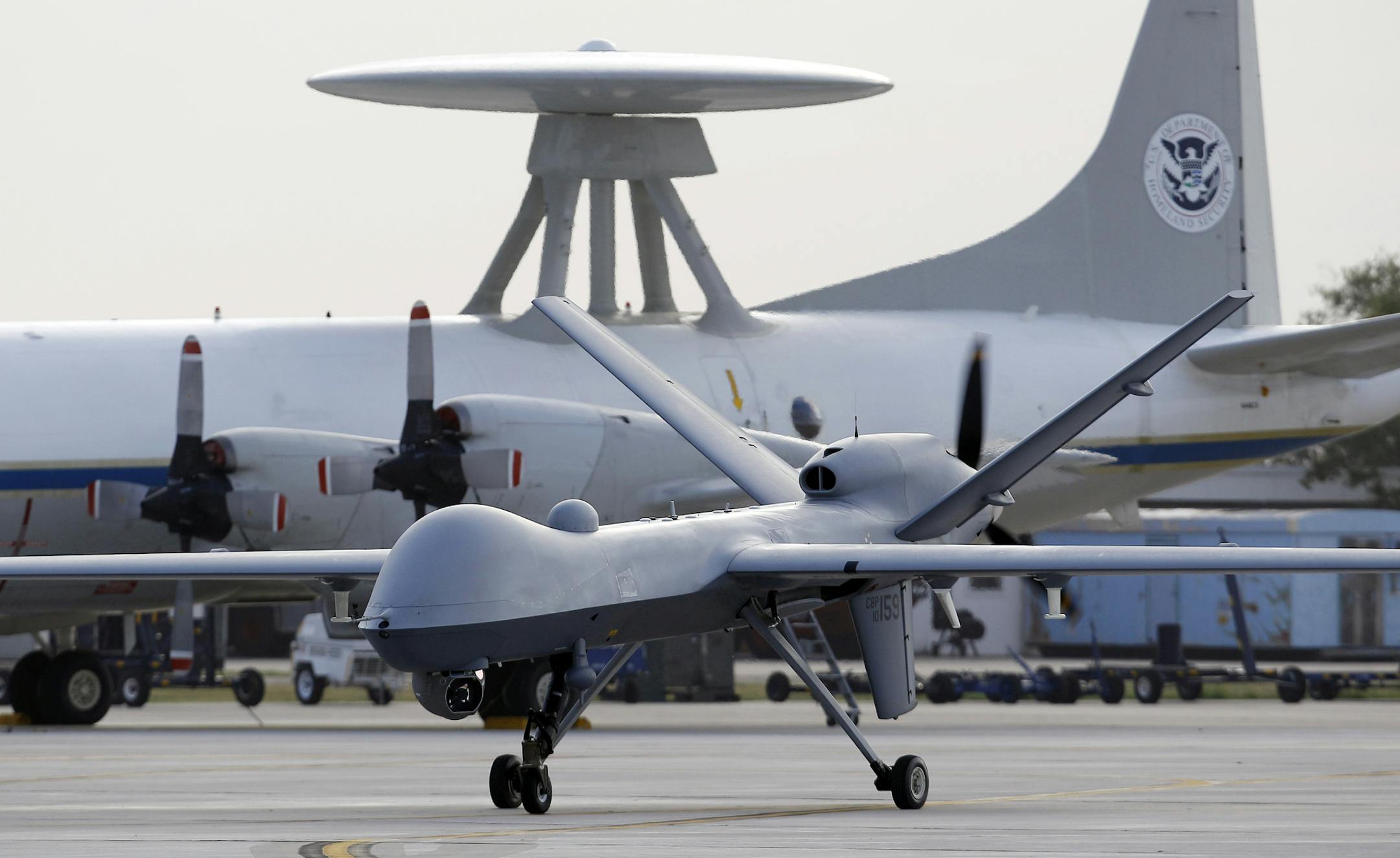
At least 49 large military drones have crashed in the United States since 2001, one of them nearly smashing into an elementary school in Pennsylvania.
Even after learning of the practice, the military continued to force victims of sexual assault out of the ranks after wrongly and illegally diagnosing them with mental problems.
The public didn't learn about these alarming facts from Pentagon news briefings or public service announcements. They were revealed by journalists (MuckRock, the Washington Post and the San Antonio Express-News, respectively) exercising the right to know what their government is doing.
Even the Department of Defense has to obey the Freedom of Information Act, the nation's premier sunshine law, which directs federal agencies to share their records with the public.
The Pentagon, though, thinks that FOIA reaches too far into its files. So they want Congress to make a large swath of what the military does secret.
On Capitol Hill, congressional leaders are working out their differences on the 2017 National Defense Authorization Act, a bill that lays out the Department of Defense budget but also includes policy. The Senate version has a provision that exempts "military tactics, techniques and procedures" from FOIA.
"The effectiveness of United States military operations is dependent upon adversaries, or potential adversaries, not having advance knowledge of the tactics, techniques, and procedures that will be employed in such operations," the Department of Defense wrote in support of the provision.


